
Depreciation and the Smart Driver: What Every Car Owner Should Know

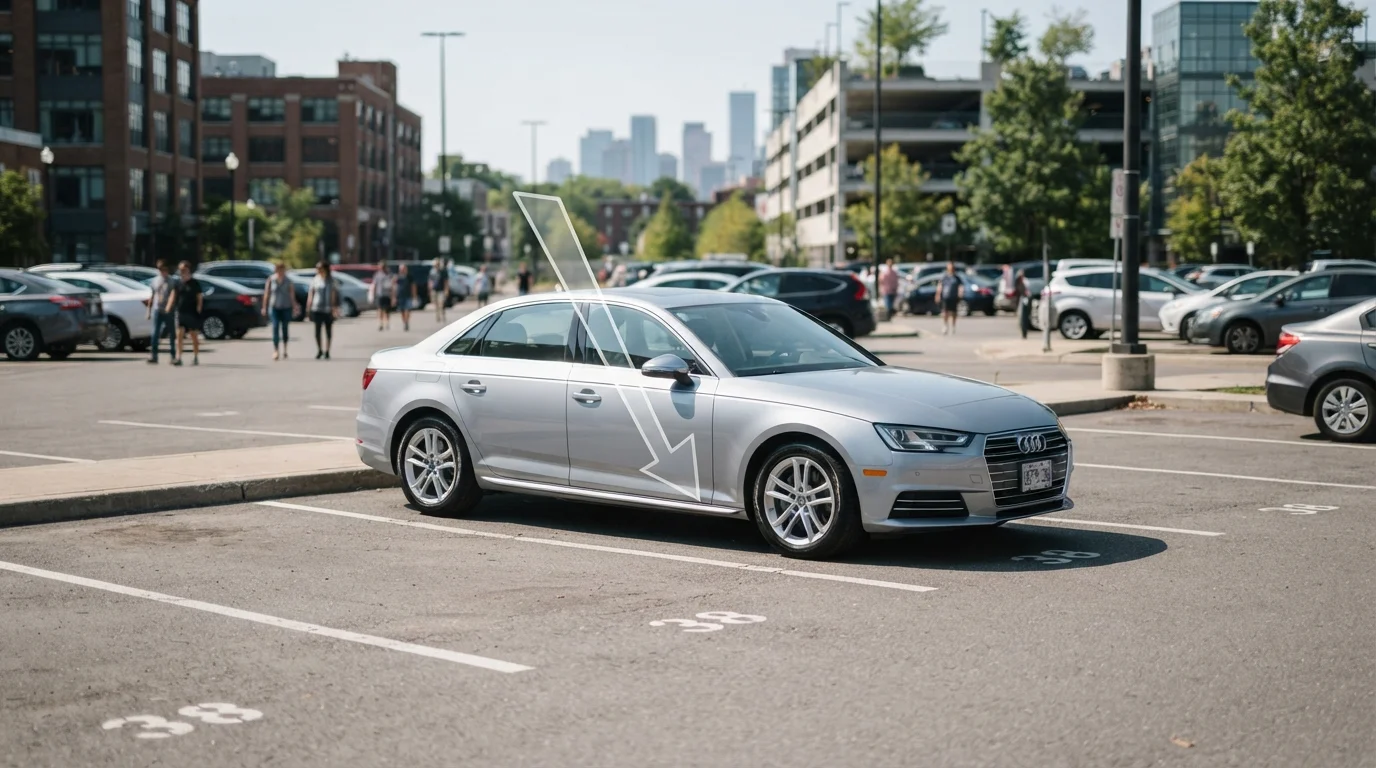
Photo: QuickSearches.net | It Doesn't Get Quicker Than This! editorial
Key Takeaways
- New vehicles can lose 15-25% of their value in the first year alone.
- Depreciation is usually the largest single cost of car ownership over time.
- Certain vehicle categories - luxury cars and some full-size SUVs - depreciate faster than average.
- Buying a vehicle that is one to three years old can significantly reduce your depreciation exposure.
- Good maintenance records and low mileage help preserve resale value.
- Understanding depreciation helps you time purchases and sales more strategically.
Why Depreciation Is Your Biggest Hidden Car Cost
Most drivers focus on the sticker price, monthly payment, or gas mileage when sizing up a vehicle. Depreciation rarely enters the conversation - yet for the average American driver, it represents a larger financial drain than fuel costs, insurance premiums, or routine maintenance combined.
Industry data has consistently shown that a new vehicle loses a significant portion of its value in the first year - often in the 15-25% range - and continues depreciating for years afterward. Over a five-year ownership period, total depreciation can represent 40-60% of the original purchase price depending on the vehicle. That is a substantial economic loss that never shows up on a monthly bill but hits hard when you go to sell or trade in.
Understanding how depreciation works is foundational to making smart ownership decisions. For a broader view of what vehicle ownership actually costs, see the real cost of owning a car beyond the sticker price.
~20%
Average first-year depreciation for new vehicles
Industry analysts and automotive research sources consistently estimate new vehicles lose roughly 15-25% of their value within the first 12 months of ownership.
40-60%
Typical five-year total depreciation
Over a five-year period, many vehicles lose between 40% and 60% of their original purchase price, making depreciation the largest single cost of ownership for most drivers.
Year 1-3
Steepest depreciation window
The first three years of a vehicle's life account for the majority of lifetime depreciation, after which the rate of value loss generally slows considerably.
What Drives Depreciation - and What Doesn't
Depreciation is not random. Several concrete factors determine how quickly a vehicle sheds value:
- Age: The first one to three years see the steepest decline. After that, depreciation generally slows and flattens.
- Mileage: Higher annual mileage signals more wear and reduces buyer confidence, pushing resale values down.
- Condition: Dents, stained interiors, deferred maintenance, and accident history all compress resale value. Keeping service records helps counter this.
- Supply and demand: A model that sells well or has limited inventory tends to hold value better than one buyers can easily find discounted at dealerships.
- Fuel type and technology shifts: Changes in fuel prices or consumer preferences can accelerate or slow depreciation for specific vehicle categories.
Factors that do not prevent depreciation include how much you paid, whether you financed or paid cash, or how attached you are to the vehicle. The market determines resale value - not the owner's cost basis.
Depreciation Affects Loan Balances Too
Which Vehicles Depreciate Fastest - and Which Hold Value
Not all vehicles depreciate at the same rate. As a general pattern, luxury sedans, electric vehicles in rapidly evolving model years, and certain full-size domestic SUVs have historically depreciated faster than average. Vehicles with high initial prices and strong competition in their segments tend to see sharper value drops.
On the other side of the curve, pickup trucks - especially full-size models - and compact SUVs with strong reliability reputations have historically held value well. High consumer demand, limited discounting, and practical utility all contribute to better retention.
If you are weighing a new versus used purchase, the depreciation curve is one of the most important variables in that calculation. The new car vs. used car comparison breaks down how these numbers actually stack up across total ownership costs.
Practical Strategies to Limit Your Depreciation Exposure
You cannot stop a vehicle from depreciating, but you can make decisions that reduce how much it costs you personally.
- Buy one to three years used. Let the first owner absorb the sharpest part of the curve. A vehicle with low mileage and a clean history report can offer most of the reliability of a new car at meaningfully lower depreciation exposure going forward.
- Mind your mileage. If you drive significantly more than average, factor that into resale projections. High-mileage vehicles sell for less and often more quickly approach the point where repair costs outpace value.
- Keep maintenance records. Documented service history reassures buyers and supports stronger offers. See keeping a high-mileage car running for guidance on preserving an older vehicle's reliability.
- Check vehicle history before buying used. Accident history directly impacts resale value. Reading a vehicle history report helps you evaluate what you are actually buying.
- Plan your exit. If you know you will sell or trade in within three to four years, factor expected depreciation into your purchase decision upfront. For trade-in strategy, trade-in vs. private sale options is worth reviewing.
Depreciation is an unavoidable feature of vehicle ownership, but it is manageable. Drivers who understand the curve make better purchase decisions, plan more realistic budgets, and avoid the common trap of being underwater on a loan - owing more than the car is worth. For a comprehensive look at keeping all ownership costs in check, managing car ownership costs provides an end-to-end framework.
Frequently Asked Questions
The content on this site is provided for informational purposes only and should not be considered a substitute for professional advice. While we strive to provide accurate and up-to-date information, we make no guarantees regarding its completeness or accuracy. Always consult a qualified professional for advice specific to your circumstances before making any decisions