
The Real Cost of Owning a Car Beyond the Sticker Price

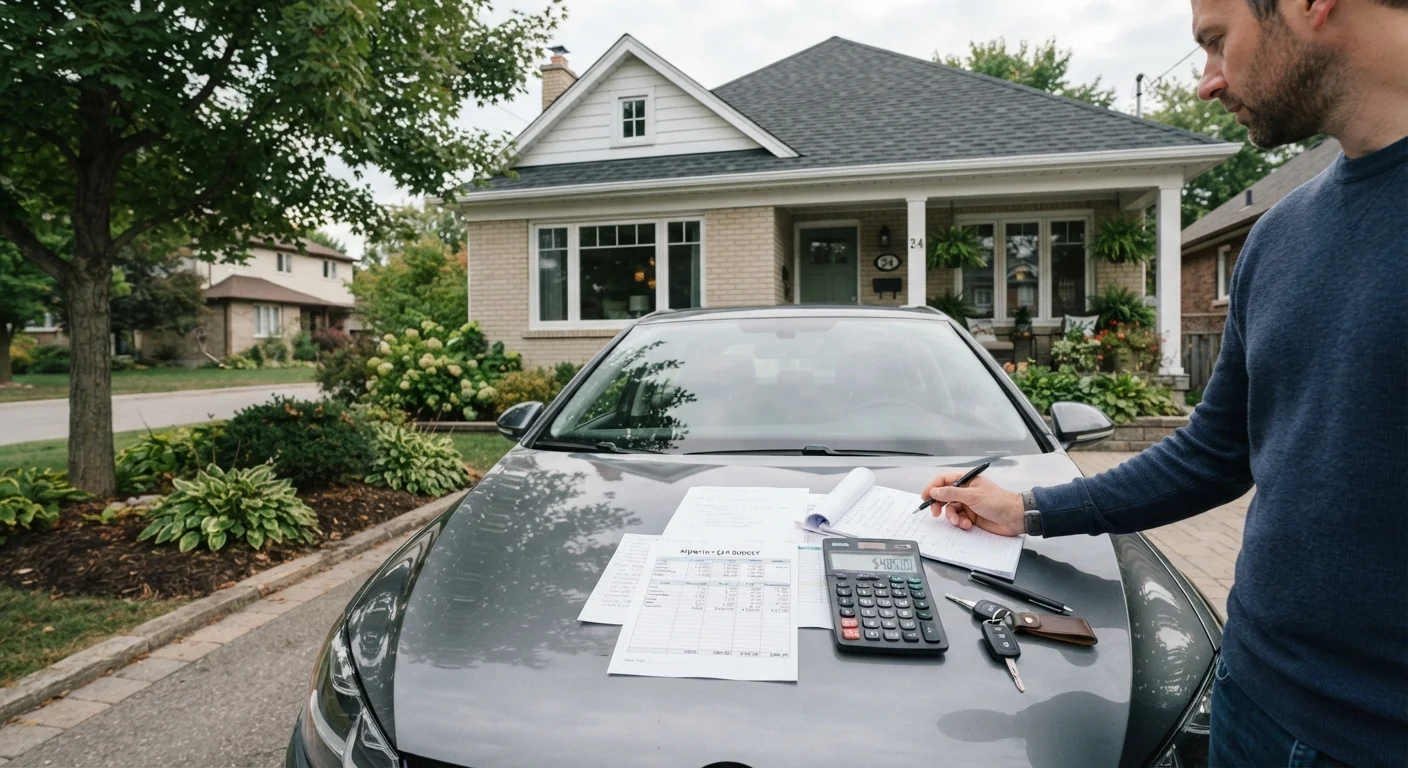
Photo: QuickSearches.net | It Doesn't Get Quicker Than This! editorial
Key Takeaways
- Depreciation is typically the single largest ownership cost, often erasing thousands of dollars in value within the first year.
- Insurance premiums vary widely based on vehicle type, driver history, and location - always get quotes before buying.
- Fuel, routine maintenance, and unexpected repairs add hundreds to thousands of dollars annually to your actual cost.
- Financing costs can significantly increase the total amount paid when interest rates are high or loan terms are long.
- Comparing vehicles by total ownership cost - not just sticker price - leads to smarter purchasing decisions.
Why the Sticker Price Tells Only Part of the Story
When most people budget for a car, they focus on the monthly payment. That number is real and important, but it captures only one slice of what you will actually spend. The full picture - what experts call total cost of ownership - layers in depreciation, insurance, fuel, maintenance, financing charges, taxes, and fees. Ignoring these figures can turn an apparently affordable vehicle into a financial strain within the first year.
For a practical introduction to car ownership, it helps to understand each cost category before you sign anything. The goal is not to make car ownership sound daunting - it is to give you the full picture so you can compare vehicles honestly and plan your budget accurately.
~$11,000
Average annual car ownership cost in the US
Industry estimates from AAA and similar research organizations consistently place full ownership costs - including depreciation, insurance, fuel, and maintenance - in this range for a typical new vehicle.
~20%
Typical first-year depreciation on a new car
Many new vehicles lose approximately one-fifth of their value within the first 12 months of ownership, making depreciation the single largest cost category for most buyers.
$1,500+
Annual fuel cost for an average US driver
Based on driving approximately 15,000 miles per year at average fuel prices and mixed fuel economy; actual cost varies with vehicle efficiency, fuel type, and local prices.
Depreciation: The Silent Biggest Cost
Depreciation is the decline in a vehicle's market value over time, and for most owners it represents the largest single ownership expense - even though no bill ever arrives for it. New vehicles tend to lose a significant portion of their value in the first few years. When you eventually sell or trade in the car, that lost value comes directly out of your pocket.
The depreciation rate varies meaningfully by vehicle type and brand. Trucks and certain SUVs have historically held value better than compact sedans in many markets, though market conditions shift. Choosing a model known for strong resale value is one of the most effective ways to lower your total cost of ownership - a point that the numbers behind new vs. used car comparisons illustrate clearly.
Insurance, Fuel, and Financing: The Recurring Costs
Insurance is a mandatory ongoing expense in every U.S. state, and premiums depend on factors including your driving history, location, age, and the vehicle itself. Sports cars and luxury vehicles typically carry higher premiums than economy models. Getting insurance quotes for a vehicle before you purchase it is a straightforward step that many buyers skip - sometimes with costly consequences.
Fuel is another variable that compounds over time. A vehicle that gets 25 MPG versus 35 MPG may seem similar on a test drive, but the difference across 15,000 miles annually can amount to several hundred dollars per year. Over five years, that gap becomes substantial.
Financing costs are easy to underestimate when attention is fixed on the monthly payment. The total interest paid over a 60- or 72-month loan at a high interest rate can add thousands to what the car ultimately costs you. Your credit score is a major driver of the rate you receive - understanding how your credit score changes the car deal before shopping can save real money.
Get Insurance Quotes Before You Commit
Maintenance, Repairs, and the Fees You May Forget
Routine maintenance - oil changes, tire rotations, brake inspections, air filters - is predictable and relatively modest in cost when kept current. The danger is deferred maintenance, where skipping a service leads to an accelerated and far more expensive repair later. Learning to read a mechanic's estimate helps you stay informed and avoid overpaying when repairs become necessary.
Beyond scheduled service, vehicles have wear-and-tear items - tires, brakes, belts, and batteries - that require periodic replacement regardless of how well the car is maintained. A set of four tires alone can run $400-$800 or more depending on vehicle size and tire type.
Fees are often the least visible cost category. Annual registration, state inspections, personal property taxes (in states that levy them), and parking costs all add up. For a detailed look at what new owners commonly overlook, see the hidden costs first-time car owners often miss.
For a comprehensive view of keeping these costs manageable over the long term, managing car ownership costs from start to finish is a useful next step.
Frequently Asked Questions
The content on this site is provided for informational purposes only and should not be considered a substitute for professional advice. While we strive to provide accurate and up-to-date information, we make no guarantees regarding its completeness or accuracy. Always consult a qualified professional for advice specific to your circumstances before making any decisions