
Reading a Vehicle History Report Without Getting Lost

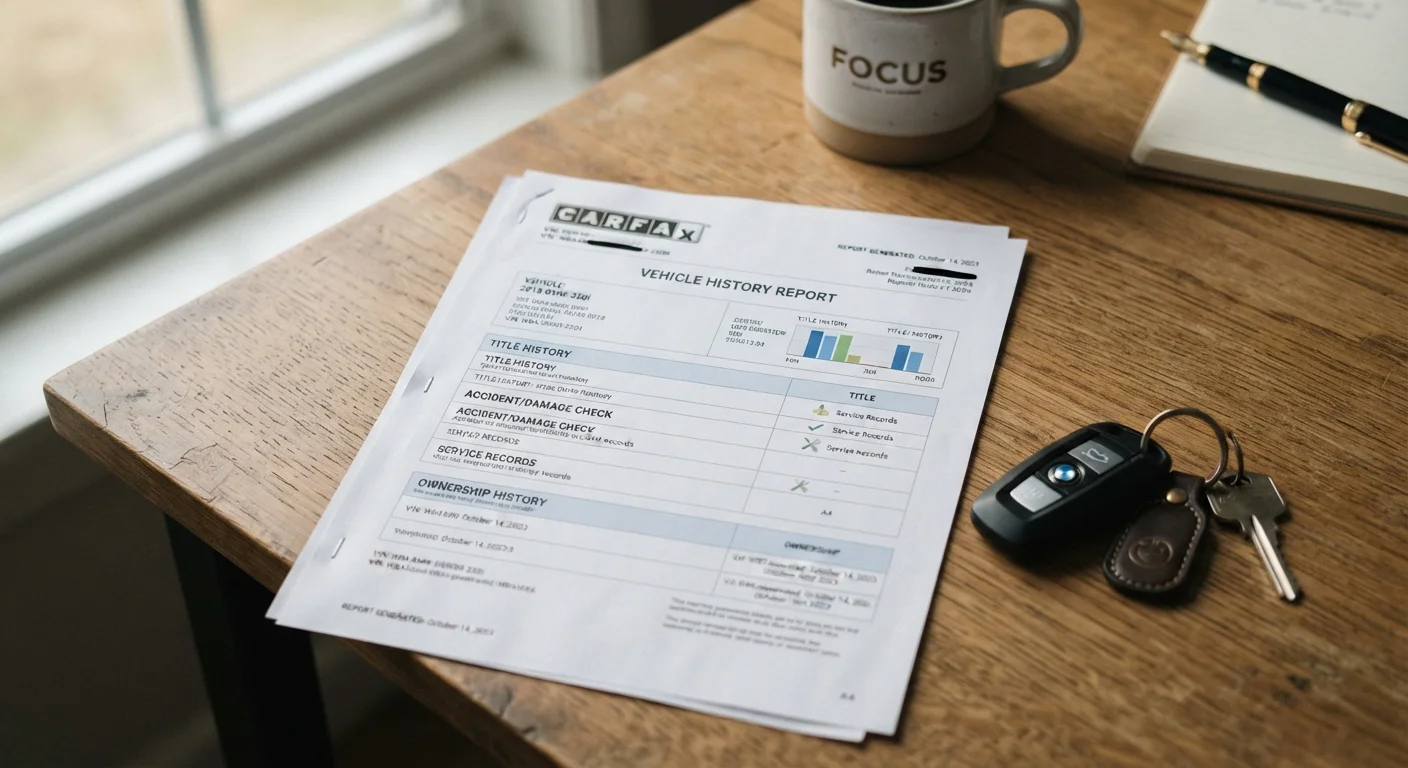
Photo: QuickSearches.net | It Doesn't Get Quicker Than This! editorial
Key Takeaways
- Title brands like 'salvage' or 'rebuilt' signal serious prior damage and significantly affect a vehicle's value.
- Odometer rollback is a real fraud risk - check for mileage gaps or inconsistencies across the report's timeline.
- Accident records vary in completeness; a clean report does not guarantee a damage-free history.
- Multiple ownership changes in a short period can indicate hidden problems worth investigating further.
- Always pair a history report with a pre-purchase inspection by a qualified mechanic before buying.
What a Vehicle History Report Actually Contains
A vehicle history report is a compiled record drawn from state DMV databases, insurance companies, law enforcement agencies, auction records, and participating repair facilities. It is not a complete mechanical record and it is only as thorough as the data sources feeding into it - but it remains one of the most useful tools available to a used car buyer.
The core sections you will encounter in most reports include: title and registration history, odometer readings over time, accident and damage records, ownership history (including fleet or rental use), and service and recall information. Understanding what each section is actually reporting - and what its limits are - is what makes the difference between a useful research tool and a false sense of security.
Run the Report Before the Test Drive
Just as a credit report reveals the financial history behind a borrower, a vehicle history report reveals the transactional and incident history behind a car. The same discipline of reading each section carefully before drawing conclusions applies here.
Vehicle Identification Number (VIN)
The 17-character VIN is required to pull any vehicle history report; locate it on the dashboard corner or door jamb.
Vehicle History Report Service
Third-party services compile title, accident, and ownership data from state DMVs, insurers, and other sources into one readable report.
Pre-Purchase Inspection from a Mechanic
An independent mechanic can identify physical damage or mechanical issues that a history report cannot detect.
Before You Start: What You Need
Gathering the right information before you pull a report keeps the process straightforward.
What you will need
Keep in mind that history reports are also useful after a purchase - for ongoing car ownership decisions such as insurance coverage review or when considering selling the vehicle yourself.
How to Read Each Section Step by Step
A Clean Report Is Not a Guarantee
Locate and Verify the VIN
Before pulling any report, confirm the Vehicle Identification Number (VIN) matches across at least two locations on the car: the dashboard plate visible through the windshield, the driver-side door jamb sticker, and the title document. A mismatch between these locations is a serious warning sign of potential fraud or an undisclosed salvage/rebuilt history.
Review the Title History Section
This is the most consequential part of the report. Look for any title brands - official designations applied by state DMVs that reflect a vehicle's past condition. Common brands include:
- Salvage: The vehicle was declared a total loss by an insurer, typically due to collision, flood, or theft recovery.
- Rebuilt/Reconstructed: A salvage vehicle that was repaired and re-inspected to return to road use.
- Flood/Water Damage: Documented water intrusion, which can cause long-term electrical and mechanical problems.
- Lemon Law Buyback: A manufacturer repurchased the vehicle under a state lemon law due to persistent defects.
A branded title is not always a deal-breaker, but it significantly affects value and insurability. Understand the impact of depreciation on a vehicle's long-term value before factoring a branded title into your offer.
Check the Odometer Readings Timeline
The report will list odometer readings recorded at different points in time - at registration renewals, dealer trade-ins, auctions, or service visits. Read these chronologically. Mileage should increase consistently over time. Flag any instance where mileage appears to decrease or makes an implausible jump, such as a vehicle supposedly gaining 2,000 miles over five years of reported ownership.
Examine the Accident and Damage Records
This section lists reported incidents - insurance claims, police reports, or collision repair records submitted to the reporting network. Pay attention to:
- Severity indicators: Minor vs. major damage, airbag deployment, or structural damage notations.
- Damage location: Frame or structural damage is more serious than cosmetic panel damage.
- Number of incidents: Multiple events suggest the vehicle has had a difficult history.
Skipping this review is one of the reasons buyers end up regretting a car purchase.
Review Ownership and Use History
The report will typically show how many owners the vehicle has had, how long each ownership lasted, and what type of entity owned it - private individual, rental fleet, taxi or rideshare company, or government agency. Fleet and rental use often means higher mileage accumulation and less individualized maintenance. Several short-term owners in a brief period sometimes reflects a persistent problem the previous owners discovered after purchase.
Cross-Reference Service and Maintenance Records
Some reports include records of reported maintenance - oil changes, inspections, or recall completions logged at participating dealerships or service chains. Consistent, regular service entries indicate an owner who maintained the vehicle responsibly. Gaps in service history, especially around high-mileage periods, are worth asking the seller about directly. Also check whether any open recalls appear in the report, as unresolved recalls can pose safety risks.
Take the Report to a Mechanic
A history report gives you a paper trail, not a mechanical diagnosis. Once you've reviewed the report and still have interest in the vehicle, bring both the report and the car to an independent mechanic for a pre-purchase inspection. Share any flagged items - prior accident locations, potential flood exposure - so the mechanic can focus their attention on those areas. This step is the single most effective protection against an expensive mistake.
When the Report Raises Questions
Not every flag in a history report means you should walk away, but every flag deserves a direct answer from the seller. Ask for written documentation of any repairs following an accident. If a lemon law buyback appears, ask for the original manufacturer's buyback paperwork and the repair history after repurchase.
Compare the report's mileage timeline against physical evidence on the car: wear on the driver's seat, pedal rubber, and steering wheel often correlates with actual mileage better than cosmetic appearance alone.
Watch for Odometer Fraud
Reading a mechanic's estimate is a related skill - the ability to decode a repair estimate helps you understand what any flagged prior damage might cost to address properly.
This article provides general informational guidance for used vehicle research. It does not constitute legal or financial advice. Readers should verify vehicle information through appropriate official channels and consult qualified professionals before making purchasing decisions.
The content on this site is provided for informational purposes only and should not be considered a substitute for professional advice. While we strive to provide accurate and up-to-date information, we make no guarantees regarding its completeness or accuracy. Always consult a qualified professional for advice specific to your circumstances before making any decisions