
Managing Car Ownership Costs: A Complete Overview

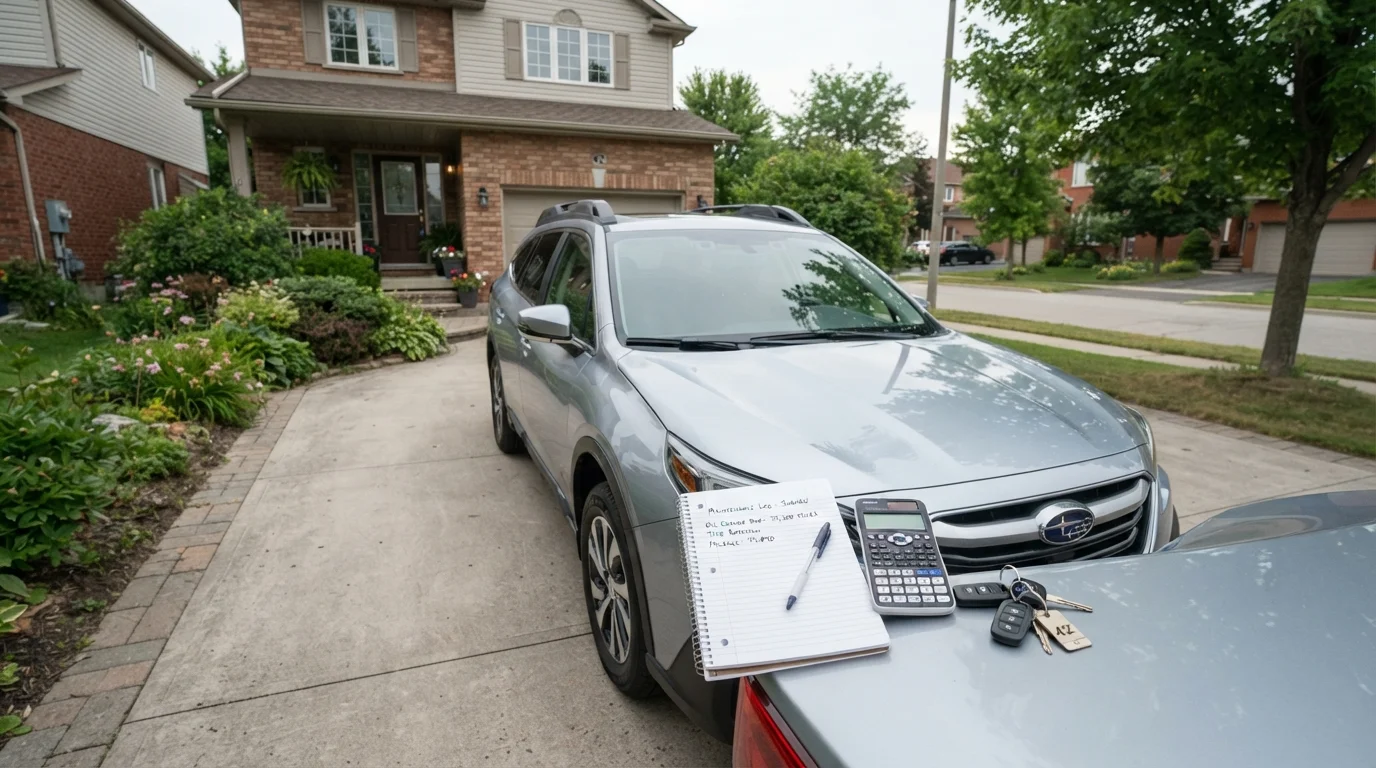
Photo: QuickSearches.net | It Doesn't Get Quicker Than This! editorial
Key Takeaways
- Total ownership cost typically runs two to three times the sticker price over a vehicle's life.
- Loan interest rate and term length have an outsized impact on what you actually pay.
- Consistent preventive maintenance is the single most effective way to avoid large repair bills.
- Depreciation accounts for the largest share of ownership cost for most drivers.
- Shopping insurance annually can meaningfully reduce your premium without sacrificing coverage.
- Understanding all cost categories before buying prevents budget surprises down the road.
The True Scope of Car Ownership Costs
Most drivers focus on the monthly payment when budgeting for a car. That figure only tells part of the story. When fuel, insurance, maintenance, registration, and depreciation are added together, the American Automobile Association (AAA) has historically estimated annual ownership costs in the thousands of dollars beyond the loan payment alone. Our companion piece The Real Cost of Owning a Car Beyond the Sticker Price breaks down each cost category in depth.
Ownership costs fall into two groups: fixed costs (insurance premiums, registration fees, loan payments) that you pay regardless of how much you drive, and variable costs (fuel, tires, oil changes) that scale with usage. Managing both requires understanding them separately.
$12,000+
Estimated average annual car ownership cost
AAA's annual Your Driving Costs study has consistently placed average ownership expenses well above the loan payment alone, encompassing insurance, fuel, maintenance, and depreciation.
~47%
Share of ownership cost from depreciation
Industry analyses routinely find depreciation accounts for nearly half of total five-year ownership cost for new vehicles, making it the dominant expense category.
3-5 years
Period of steepest new-vehicle depreciation
Automotive valuation data consistently shows new vehicles lose the largest share of their market value during the first three to five years of ownership.
Financing: Getting the Numbers Right From the Start
The structure of your auto loan shapes your ownership costs for years. Two variables matter most: the interest rate (APR) and the loan term. A longer term lowers your monthly payment but increases total interest paid - sometimes by thousands of dollars. Shorter terms cost more each month but reduce your overall outlay.
Before signing, calculate the total repayment amount, not just the monthly figure. Your credit score is the primary driver of the rate you qualify for, so reviewing your credit report before shopping gives you leverage. If you're weighing whether to lease instead of buy, Leasing vs. Buying: A Side-by-Side Look at Long-Term Cost compares the two paths across a five-year window.
Get pre-approved for a loan through a credit union or bank before visiting a dealership. Having a competing rate in hand gives you a concrete benchmark and reduces the chance of accepting a higher dealer-arranged rate.
Set a total budget cap - not just a monthly payment target - before you begin shopping. Salespeople are trained to anchor negotiations around the monthly figure, which can obscure a higher total cost from a longer loan term.
Insurance: Coverage That Fits Your Budget
Auto insurance is legally required in nearly every U.S. state, but the amount of coverage you carry should reflect your vehicle's value and your financial situation. Liability-only coverage is cheaper but leaves your own vehicle unprotected. Comprehensive and collision coverage adds cost but pays for damage to your car from accidents, theft, or weather events.
Several factors affect your premium: driving record, location, annual mileage, vehicle age, and credit score in most states. Requesting quotes from multiple insurers at renewal, raising your deductible if you can absorb a larger out-of-pocket cost, and bundling with a home or renters policy are all common ways to reduce premiums without eliminating necessary protection.
Fuel and Efficiency: Managing Your Ongoing Fuel Bill
Fuel is one of the most visible ongoing costs of ownership and one of the few you can actively manage. A vehicle rated at 25 MPG costs roughly twice as much to fuel as one rated at 50 MPG over the same miles driven. Aggressive acceleration, excessive idling, and under-inflated tires each reduce real-world fuel economy meaningfully.
Steady highway speeds, keeping tires at the manufacturer's recommended pressure (found on the door placard, not the tire sidewall), and avoiding unnecessary cargo weight are practical habits that add up over time. If you're in the market for a vehicle, Buying a Car has guides to help you evaluate total running costs before you commit.
Maintenance and Repairs: Staying Ahead of Costs
Preventive maintenance is the most reliable cost-control lever available to any driver. Following the manufacturer's recommended service schedule - typically found in your owner's manual - keeps the vehicle running efficiently and catches developing problems before they become expensive failures. Common scheduled items include oil and filter changes, tire rotations, brake inspections, and fluid checks.
The Hidden Costs First-Time Car Owners Often Miss covers items like tire replacement and roadside emergencies that frequently catch newer owners off guard. Building a dedicated vehicle emergency fund - even a modest one - reduces the financial shock when unplanned repairs arise.
Skipping Scheduled Maintenance Costs More Later
Depreciation and Resale: Protecting Long-Term Value
Depreciation - the loss in a vehicle's market value over time - is typically the single largest cost of ownership, yet it's invisible until you sell or trade in. New vehicles can lose a significant portion of their value within the first few years of ownership. Buying a vehicle that is two to four years old lets a previous owner absorb the steepest part of the depreciation curve.
When it's time to sell, condition, mileage, and service history documentation all affect resale value. A complete set of maintenance records signals to buyers that the vehicle was well cared for. For a full walkthrough of the purchase decision, see The Car-Buying Process, Start to Finish.
Taking a holistic view of all six cost categories - financing, insurance, fuel, maintenance, registration fees, and depreciation - before committing to a vehicle is the foundation of confident, cost-aware ownership. Car Ownership from Day One is a practical starting point for anyone new to the process.
The content on this site is provided for informational purposes only and should not be considered a substitute for professional advice. While we strive to provide accurate and up-to-date information, we make no guarantees regarding its completeness or accuracy. Always consult a qualified professional for advice specific to your circumstances before making any decisions