
New Car vs. Used Car: What the Numbers Actually Tell You

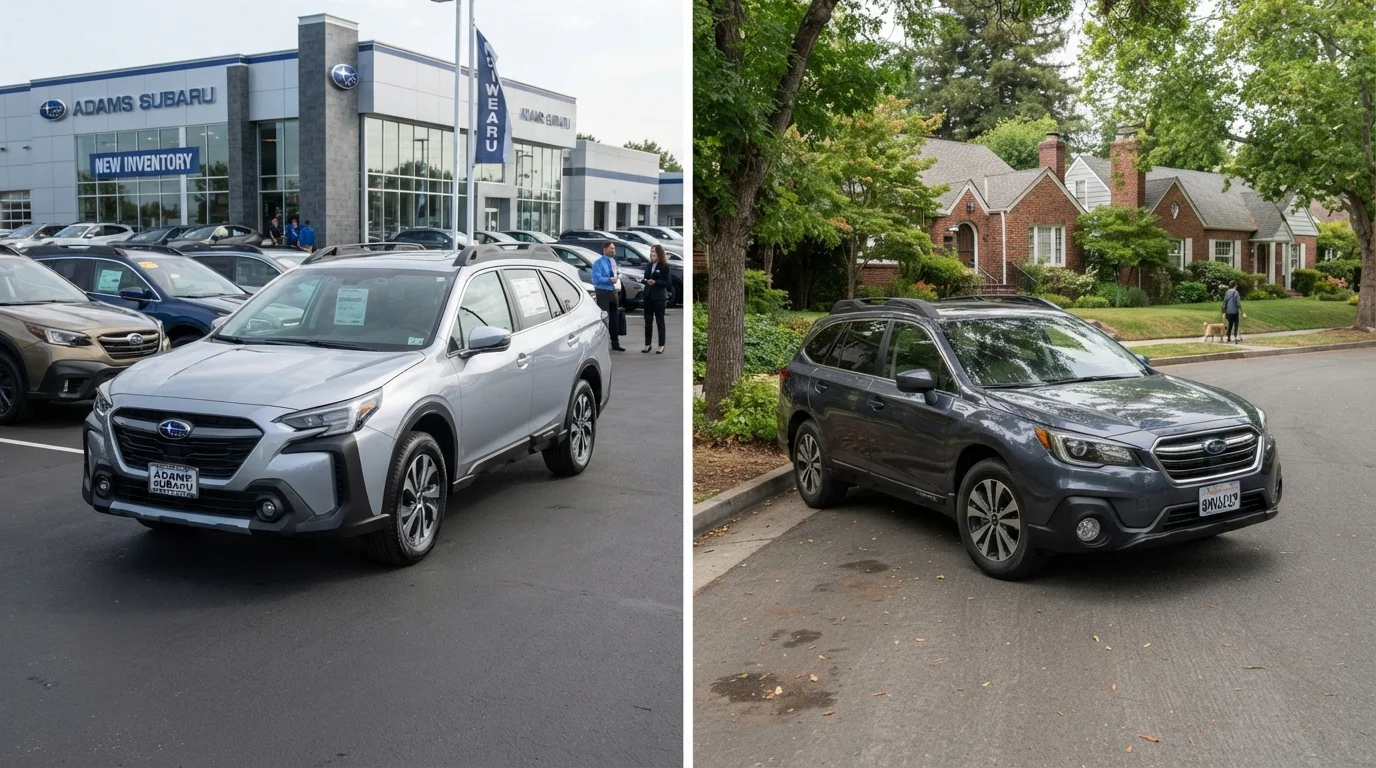
Photo: QuickSearches.net | It Doesn't Get Quicker Than This! editorial
Key Takeaways
- New cars lose roughly 20% of their value in the first year alone, often more.
- Used cars typically carry higher interest rates than new cars, which can offset their lower price.
- A new car's factory warranty provides predictable repair costs for three to five years.
- Total cost of ownership - not sticker price - is the most accurate way to compare both options.
- Certified pre-owned vehicles offer a middle path with inspection standards and extended coverage.
- Your credit score, driving habits, and how long you keep the car all heavily influence which choice saves more money.
Why the Sticker Price Is Only Part of the Story
Most buyers walk into a dealership focused on monthly payments, but the smarter question is: what will this vehicle actually cost me over the time I own it? That figure - total cost of ownership - includes depreciation, financing, insurance, fuel, maintenance, and repairs. When you run those numbers, the new-versus-used decision often looks different than it did on the lot.
New cars command a premium for good reasons: full factory warranties, the latest safety technology, and zero unknown history. Used cars offer an immediate financial advantage - lower purchase price, less to finance, and no first-year depreciation hit. Neither path is universally better. The right answer depends on your credit, how long you plan to own, and how much financial risk you can absorb on repairs. For a fuller picture of every line item involved, see the real cost of owning a car beyond the sticker price.
| Criterion | New Car | Used Car |
|---|---|---|
| Purchase Price | Full retail market value | Below retail; varies by age and mileage |
| First-Year Depreciation | Steep - typically 15-20% | Already absorbed by prior owner |
| Financing Interest Rate | Generally lower rates | Generally higher rates |
| Warranty Coverage | Full factory warranty included | Limited or expired; CPO extends it |
| Insurance Cost | Higher - full coverage required | Potentially lower; more flexibility |
| Near-Term Repair Risk | Very low - under warranty | Moderate - depends on history and age |
| Technology & Safety Features | Latest generation standard | Varies by model year |
| Ownership History | None - you're the first owner | Unknown unless documented |
Depreciation: The Hidden Cost That Favors Used Buyers
Depreciation is the single largest expense most car owners never track - and it hits new vehicles hardest. Industry data consistently shows that new cars can lose approximately 15-20% of their value within the first year and close to 50% within five years, though actual figures vary considerably by make, model, and market conditions. A buyer who purchases a two- or three-year-old vehicle effectively lets the first owner absorb that steepest portion of the value drop.
That said, depreciation only becomes a real loss if you sell. Buyers who hold a new vehicle for a decade spread that loss across many years, reducing its annual cost. Understanding exactly how this math plays out for the specific models you're considering is worth the effort - our guide on how vehicle depreciation works walks through the mechanics in detail.
~20%
Typical new-car value loss in year one
Industry analysts and automotive research organizations consistently cite first-year depreciation in the 15-20% range for most mainstream vehicles, though luxury and high-demand models vary.
~50%
Value retained after five years, on average
Edmunds and similar automotive data firms have tracked five-year depreciation across vehicle segments, with many mainstream models losing close to half their original value by year five.
1-3%+
Typical interest rate premium on used auto loans
Federal Reserve consumer credit data shows that used vehicle loan rates have historically run higher than new vehicle rates, with the gap fluctuating based on market conditions.
Financing and Insurance: Where Used Cars Can Close the Gap
A lower sticker price on a used car doesn't automatically mean lower total financing costs. Lenders typically charge higher interest rates on used vehicles than on new ones - sometimes by several percentage points - because older cars represent more collateral risk. On a five-year loan, that rate difference can add up to thousands of dollars, partially erasing the purchase-price advantage.
Insurance also deserves attention. New cars often cost more to insure because their replacement value is higher, and lenders require comprehensive and collision coverage on financed vehicles. A used car with a paid-off loan gives you more flexibility on coverage levels, though dropping below adequate coverage to save money carries its own financial risk. When you compare buying versus leasing as well, financing structure matters just as much as vehicle age.
Warranties, Reliability, and the Value of Predictability
New vehicles come with manufacturer warranties - typically three years or 36,000 miles for bumper-to-bumper coverage and five years or 60,000 miles for powertrain. That coverage means the manufacturer absorbs most major repair costs during the ownership window when most buyers actually hold the car. For budget-conscious owners, predictable costs matter: a surprise transmission repair on an out-of-warranty used car can wipe out months of payment savings.
Used cars don't have to mean unknown risk, however. Certified pre-owned (CPO) programs put vehicles through multi-point inspections and extend coverage - usually at a price premium over non-certified used. Whether that premium is worth it depends on the specific program's terms. Our breakdown of certified pre-owned versus regular used examines what those labels actually deliver. If you're considering a non-CPO used vehicle, understanding extended warranties on used cars can help you decide whether added coverage makes financial sense.
Ultimately, neither choice eliminates risk entirely. New cars can have manufacturing defects; used cars can be meticulously maintained. Due diligence - vehicle history reports, pre-purchase inspections by an independent mechanic, and honest mileage assessment - matters on any used purchase. If you're evaluating a specific used vehicle's asking price against market reality, see our guidance on judging whether a used car's asking price is fair.
For a broader look at how reliability, financing, and ownership experience interact across both choices, new car vs. used car trade-offs covers the qualitative side of this decision in depth. And for ongoing ownership costs regardless of which route you take, the Car Ownership hub offers practical guidance on insurance, maintenance, and managing vehicle expenses over time.
The content on this site is provided for informational purposes only and should not be considered a substitute for professional advice. While we strive to provide accurate and up-to-date information, we make no guarantees regarding its completeness or accuracy. Always consult a qualified professional for advice specific to your circumstances before making any decisions