
Keeping a High-Mileage Car Running Without Breaking the Bank

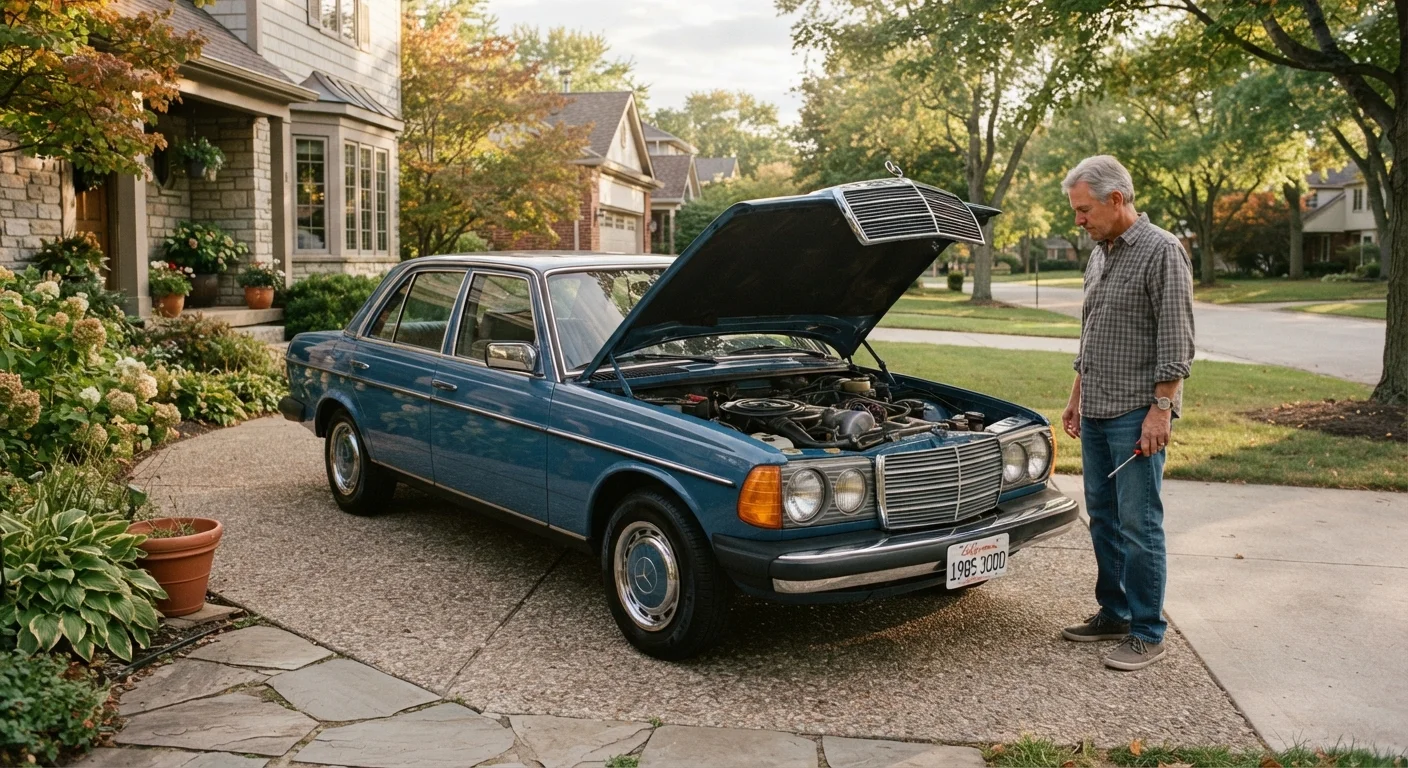
Photo: QuickSearches.net | It Doesn't Get Quicker Than This! editorial
Key Takeaways
- Consistent oil changes and fluid checks are the single most cost-effective habit for high-mileage vehicles.
- Replacing wear items like belts and hoses proactively is far cheaper than waiting for a breakdown.
- Understanding which repairs are worth doing - and which signal a car's end - protects your wallet.
- A trusted independent mechanic can save high-mileage car owners significantly compared to dealership rates.
- High mileage alone does not make a car unreliable; maintenance history matters far more.
Why High Mileage Doesn't Have to Mean High Risk
A vehicle crossing the 100,000-mile mark is often treated as a liability - something to trade in before problems pile up. That assumption costs a lot of drivers real money. Many well-maintained vehicles run reliably well past 150,000 or even 200,000 miles, and keeping an older car on the road is almost always cheaper than taking on a new car payment.
What separates a high-mileage car that keeps delivering from one that becomes a money pit is almost never the odometer reading itself. It's the maintenance history behind it - and the decisions made going forward. As part of a broader strategy for managing car ownership costs, extending the life of a vehicle you already own is one of the most effective levers available to budget-conscious drivers.
The Maintenance Priorities That Actually Matter
Not every service item carries equal weight. For older, higher-mileage vehicles, some tasks deliver outsized protection while others can be safely deferred or skipped entirely. Knowing the difference is what keeps costs manageable.
Change engine oil and filter on the interval your owner's manual specifies - not an arbitrary universal schedule.
Inspect and replace rubber components - belts, hoses, and gaskets - before they fail rather than after.
Keep all fluids - coolant, brake fluid, transmission fluid, and power steering fluid - at correct levels and on replacement schedules.
Monitor tire condition, pressure, and alignment regularly to protect both safety and other mechanical components.
Address warning lights promptly rather than deferring them until the next oil change.
It's also worth revisiting some of the maintenance advice you've been following for years. Car maintenance myths - like changing your oil every 3,000 miles regardless of what your owner's manual says - can cost you money without delivering any extra protection.
Smart Spending: When to Repair and When to Walk Away
High-mileage ownership requires a clear-eyed repair threshold. A useful rule of thumb: if a single repair costs more than the vehicle's current market value, or if you're facing multiple large repairs within a short timeframe, the math may no longer favor keeping the car.
$9,282
Average annual new car ownership cost
According to AAA's annual Your Driving Costs study, new vehicle ownership costs - including depreciation, financing, insurance, and maintenance - consistently exceed $9,000 per year for the average American driver.
200,000+
Miles achievable with consistent maintenance
Consumer Reports and industry data consistently show that many makes and models can reach 200,000 miles or more when routine maintenance is performed on schedule throughout the vehicle's life.
For repairs that do make sense, an independent mechanic who specializes in your vehicle's make can often charge significantly less than a franchised dealership while delivering equal or better quality. Get written estimates before authorizing any major work, and ask for the replaced parts back - it's a standard practice that keeps shops accountable.
Understanding how depreciation works also informs these decisions. A car that has already absorbed most of its depreciation offers a different financial picture than one still losing value rapidly - which is one reason keeping an older vehicle can be a genuinely sound choice.
When a Pre-Purchase Inspection Changes the Math
Quick Actions You Can Take This Week
Extending the life of a high-mileage vehicle doesn't require a large investment all at once. Several high-impact steps cost little or nothing and can be done immediately.
Consistent small habits - checking tire pressure monthly, watching for new fluid spots under the car, listening for unusual sounds - create an early-warning system that catches problems before they compound. Drivers who pay attention regularly spend far less on repairs over time than those who only think about their car when something goes wrong.
For additional strategies that reduce what you spend at the pump each month, see our guide on fuel economy habits that make a measurable difference.
The content on this site is provided for informational purposes only and should not be considered a substitute for professional advice. While we strive to provide accurate and up-to-date information, we make no guarantees regarding its completeness or accuracy. Always consult a qualified professional for advice specific to your circumstances before making any decisions