
Buying vs. Leasing a Car: What the Numbers Actually Tell You

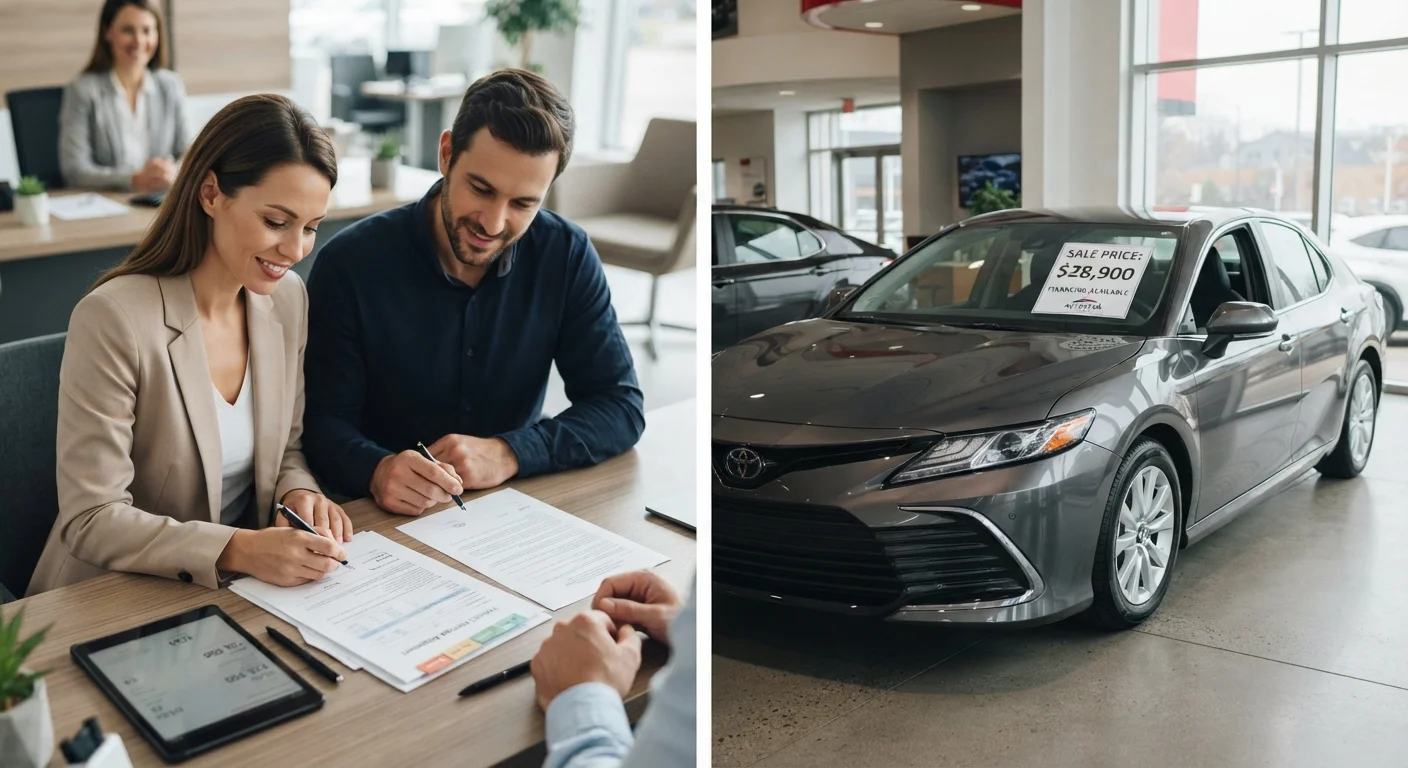
Photo: QuickSearches.net | It Doesn't Get Quicker Than This! editorial
Key Takeaways
- Buying costs more upfront but builds equity; leasing offers lower payments but no ownership at term's end.
- Lease agreements typically include mileage caps - exceeding them triggers per-mile overage fees.
- Over a 10-year horizon, owning a paid-off vehicle is almost always cheaper than continuous leasing.
- Your credit score affects both financing rates when buying and money factor (interest) when leasing.
- Leasing suits frequent upgraders; buying suits high-mileage drivers and long-term cost minimizers.
How the Monthly Payment Comparison Actually Works
The most visible difference between buying and leasing is the monthly payment - and leasing almost always wins that comparison in isolation. When you lease, you're paying for the portion of the vehicle's value that depreciates during your lease term, plus a finance charge called the money factor (the lease equivalent of an interest rate). When you buy with a loan, you're financing the full purchase price, so payments are higher.
For example, a vehicle with a $40,000 purchase price and a residual value of $24,000 after three years means a lease customer finances roughly $16,000 in depreciation. A buyer finances the entire $40,000. That gap directly produces lower lease payments - but it doesn't mean leasing is cheaper overall.
For a broader look at how new and used vehicle financing compares, see our analysis of new vs. used car costs.
| Criterion | Buying | Leasing |
|---|---|---|
| Monthly Payment | Higher (full vehicle value financed) | Lower (depreciation only financed) |
| Ownership at Term End | Yes - you own the vehicle | No - return or buy out at residual |
| Mileage Limits | None | Typically 10,000-15,000 miles/year |
| Upfront Costs | Down payment + taxes + fees | First month + security deposit + fees |
| Long-Term Cost (10 years) | Lower if vehicle retained long-term | Higher due to continuous payments |
| Modification Allowed | Yes | Generally prohibited |
| Warranty Coverage | Expires; repairs become owner's cost | Usually covered for lease duration |
| Early Exit Costs | Selling may leave you underwater | Early termination fees apply |
The True Long-Term Cost Picture
Monthly payments are only one part of the financial equation. To understand the real cost of each path, you need to look at what you're left with - and what you've spent - over a longer period.
A buyer who takes a 60-month auto loan and then drives the paid-off vehicle for another five years pays nothing beyond insurance, maintenance, and repairs during those final years. A continuous leaser, by contrast, never stops making payments. Over a decade, the cumulative cost difference is substantial, and the buyer typically comes out ahead - especially if they've maintained the vehicle well and retained resale value.
That said, buying carries its own cost exposures. Older vehicles require more maintenance, and repair costs are fully the owner's responsibility once the manufacturer's warranty expires. Lessees, who typically drive newer vehicles under warranty, often face lower out-of-pocket repair costs during the lease term.
~$6,000+
Typical mileage overage cost at lease-end
A driver exceeding a 12,000-mile cap by 25,000 miles over a 3-year lease at $0.25/mile would owe approximately $6,250 at vehicle return.
50%+
Value lost in first 3 years on many new vehicles
Industry data consistently shows many new vehicles depreciate 40-60% of their original value within the first three years of ownership.
~$0/month
Loan payment once a purchased car is paid off
Owners who keep a vehicle beyond the loan payoff period eliminate monthly payments entirely, dramatically reducing long-term transportation costs.
For a structured five-year cost comparison, our leasing vs. buying long-term cost breakdown walks through monthly payments, equity, and total spend side by side.
Flexibility, Restrictions, and Hidden Costs
Both options carry constraints that don't always appear in the headline numbers.
Lease Restrictions
- Mileage limits: Most leases allow 10,000-15,000 miles per year. Overages are charged per mile at lease-end - typically 15 to 25 cents per mile.
- Wear-and-tear standards: Lessees are charged for damage deemed beyond normal wear at vehicle return.
- Early termination penalties: Exiting a lease early is costly. You may owe the remaining payments or a termination fee.
Buying Considerations
- Depreciation exposure: New vehicles lose significant value in their first few years. If you sell or trade in early, you may owe more than the car is worth - a situation called being "underwater" on the loan.
- Maintenance responsibility: Once the warranty ends, all repair costs fall to you.
- Financing costs: Higher loan balances mean more total interest paid over the loan term.
Gap Insurance: Worth Understanding for Both Options
Which Path Fits Your Situation?
Neither buying nor leasing is universally better. The right answer depends on how you use a vehicle, how long you keep it, and what financial priorities matter most to you.
Drivers who cover significant annual mileage, plan long-term ownership, or want flexibility to modify their vehicle are generally better served by buying. Drivers who value lower near-term payments, prefer always being under warranty, and don't mind never owning the vehicle outright may find leasing fits their lifestyle well.
Your credit profile matters in both scenarios. Strong credit unlocks lower loan interest rates when buying and better money factors when leasing. If your credit needs work, it's worth understanding how that affects total financing costs before committing to either path. You can find additional guidance through our car buying hub.
This article is for general informational purposes only and does not constitute financial or legal advice. Consult a qualified financial professional before making decisions about vehicle financing.
The content on this site is provided for informational purposes only and should not be considered a substitute for professional advice. While we strive to provide accurate and up-to-date information, we make no guarantees regarding its completeness or accuracy. Always consult a qualified professional for advice specific to your circumstances before making any decisions