
Extended Warranties on Used Cars: Protection or Waste of Money?

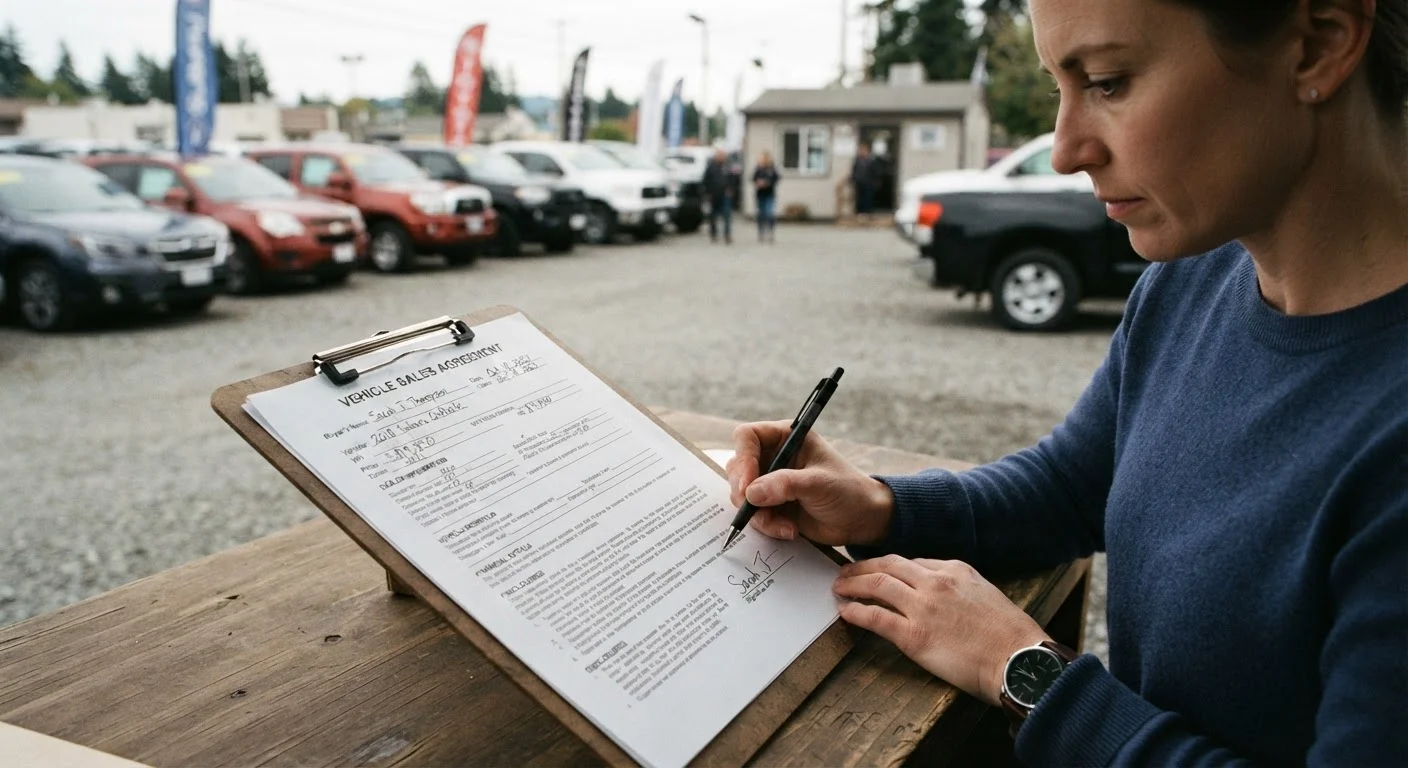
Photo: QuickSearches.net | It Doesn't Get Quicker Than This! editorial
Key Takeaways
- Extended warranties vary widely in coverage, exclusions, and claims processes - always read the contract carefully.
- The value of a warranty depends heavily on the vehicle's reliability history, age, and mileage.
- Third-party warranties sold by dealers are different from manufacturer-backed plans and carry more risk.
- A self-insurance strategy - setting aside repair funds monthly - is a legitimate alternative worth considering.
- Certified pre-owned vehicles often include manufacturer-backed coverage that third-party warranties can't match.
Shields against large, unexpected repair bills
Major mechanical failures - transmission, engine, or complex electronics - can cost thousands of dollars. A warranty can convert an unpredictable expense into a known upfront cost.
Predictable budgeting for repair costs
For drivers with limited emergency savings, knowing that covered repairs won't derail monthly finances provides real peace of mind and cash-flow stability.
Can transfer to a new owner if you sell
Some contracts are transferable, which can make a used vehicle more attractive to a future buyer and potentially support a higher resale price.
Useful for vehicles with known reliability concerns
Certain makes and model years have documented weak points. A warranty tailored to cover those components can be a sensible hedge.
Exclusions often outpace what's actually covered
Named-component contracts list only what's included, leaving out sensors, seals, and electronics that commonly fail. Buyers often discover the exclusions only when filing a claim.
Average cost frequently exceeds average payout
Warranties are profitable products for sellers, meaning the typical buyer pays more than they receive back. Only drivers with significant repairs break even or come out ahead.
Pre-existing conditions are almost never covered
Any issue that existed before the contract start date - even an undiagnosed one - can be grounds for claim denial, creating disputes after repairs are already underway.
Third-party administrators carry financial risk
Some warranty companies have gone out of business, leaving contract holders with no coverage and no refund. Vetting the financial stability of the administrator is essential but often skipped.
Rolling cost into a loan adds interest charges
Dealers often fold the warranty price into financing, meaning you pay interest on it for the life of the loan - increasing the true cost beyond the sticker price of the contract.
Repair shop restrictions limit your options
Many contracts require repairs at approved facilities only, which can be inconvenient and may delay service in areas where approved shops are scarce.
What an Extended Warranty Actually Is
The term "extended warranty" is used loosely, but it almost always refers to a vehicle service contract - a paid agreement that covers certain repair costs after the manufacturer's original warranty expires. Unlike a true warranty, which is a legal guarantee from the manufacturer, a service contract is a financial product, typically sold by a dealer, a third-party administrator, or occasionally the automaker itself.
This distinction matters. Third-party contracts vary enormously in financial stability, coverage scope, and claims honesty. Before signing anything, confirm who actually backs the contract - the dealer, a separate administrator, or an insurer - and check whether that company has a history of denied claims or insolvency.
For used car buyers, coverage usually kicks in either immediately or after a short waiting period, and it runs for a set number of years or miles - whichever comes first. See how extended warranties fit into the broader landscape of dealer add-ons in our guide to dealer add-ons and what they're actually worth.
"Extended Warranty" vs. Vehicle Service Contract
The Case For: When a Warranty Can Pay Off
For certain buyers and certain vehicles, an extended warranty offers genuine financial protection. Here's when the math tends to work in your favor:
Shields against large, unexpected repair bills
Major mechanical failures - transmission, engine, or complex electronics - can cost thousands of dollars. A warranty can convert an unpredictable expense into a known upfront cost.
Predictable budgeting for repair costs
For drivers with limited emergency savings, knowing that covered repairs won't derail monthly finances provides real peace of mind and cash-flow stability.
Can transfer to a new owner if you sell
Some contracts are transferable, which can make a used vehicle more attractive to a future buyer and potentially support a higher resale price.
Useful for vehicles with known reliability concerns
Certain makes and model years have documented weak points. A warranty tailored to cover those components can be a sensible hedge.
Vehicles with a history of expensive powertrain or electronics failures are the clearest candidates. A single transmission replacement can cost $3,000-$5,000 - often more than the warranty itself. Buyers who are purchasing an older model with high mileage and limited savings may find that predictable monthly or upfront costs are easier to manage than a sudden four-figure repair bill.
If you're comparing covered vehicles, it's also worth reviewing what certified pre-owned status actually covers - CPO programs sometimes include manufacturer-backed coverage that rivals or exceeds third-party warranties.
The Case Against: Why Many Warranties Don't Deliver
Consumer advocates and independent analysts have long noted that extended warranties are high-margin products - meaning the price paid typically exceeds the value received, on average. That doesn't mean every warranty is a waste, but the deck is often stacked against the buyer.
Exclusions often outpace what's actually covered
Named-component contracts list only what's included, leaving out sensors, seals, and electronics that commonly fail. Buyers often discover the exclusions only when filing a claim.
Average cost frequently exceeds average payout
Warranties are profitable products for sellers, meaning the typical buyer pays more than they receive back. Only drivers with significant repairs break even or come out ahead.
Pre-existing conditions are almost never covered
Any issue that existed before the contract start date - even an undiagnosed one - can be grounds for claim denial, creating disputes after repairs are already underway.
Third-party administrators carry financial risk
Some warranty companies have gone out of business, leaving contract holders with no coverage and no refund. Vetting the financial stability of the administrator is essential but often skipped.
Rolling cost into a loan adds interest charges
Dealers often fold the warranty price into financing, meaning you pay interest on it for the life of the loan - increasing the true cost beyond the sticker price of the contract.
Repair shop restrictions limit your options
Many contracts require repairs at approved facilities only, which can be inconvenient and may delay service in areas where approved shops are scarce.
55%
Warranty holders who never file a claim
Consumer Reports has found that a majority of extended warranty purchasers never use the coverage, suggesting many buyers pay for protection they don't end up needing.
$1,200-$3,000
Typical extended warranty cost on a used car
Industry estimates place the average price of a used-vehicle service contract in this range, varying by coverage level, vehicle age, and mileage.
Exclusions are one of the biggest sources of frustration. Many contracts cover only specific listed components ("named-component" coverage), leaving out parts that commonly fail - sensors, seals, electrical modules, and emissions components. Others require repairs only at approved shops, or mandate that you file claims through a slow approval process before a mechanic can proceed.
Cost is also a factor worth scrutinizing. Warranties are frequently rolled into auto loan financing, which means buyers pay interest on top of the contract price. To understand how financing affects total vehicle cost, our comparison of what the numbers actually tell you about new vs. used covers depreciation, rates, and long-term ownership math.
What to Do Instead of (or Before) Buying
Before committing to a warranty, run through these practical steps:
- Get a pre-purchase inspection. A licensed mechanic - not the selling dealer - can identify existing issues that a warranty won't cover anyway, since most contracts exclude pre-existing conditions.
- Research the model's reliability record. Some vehicles have well-documented trouble areas; others rarely need major repairs. A vehicle with a strong reliability track record weakens the case for extended coverage.
- Consider self-insuring. Setting aside a fixed amount each month - say, $75 to $100 - into a dedicated car repair fund gives you similar financial protection without exclusions, deductibles, or denied claims.
- Negotiate the contract terms. If you decide a warranty makes sense, the price is often negotiable. You can also decline at the dealer and purchase a contract later, though coverage terms may differ.
For a broader look at the trade-offs involved in the used car buying process, see our guide to new car vs. used car trade-offs.
The content on this site is provided for informational purposes only and should not be considered a substitute for professional advice. While we strive to provide accurate and up-to-date information, we make no guarantees regarding its completeness or accuracy. Always consult a qualified professional for advice specific to your circumstances before making any decisions