
Your Backyard Soil Is Telling You Something - Here's How to Read It

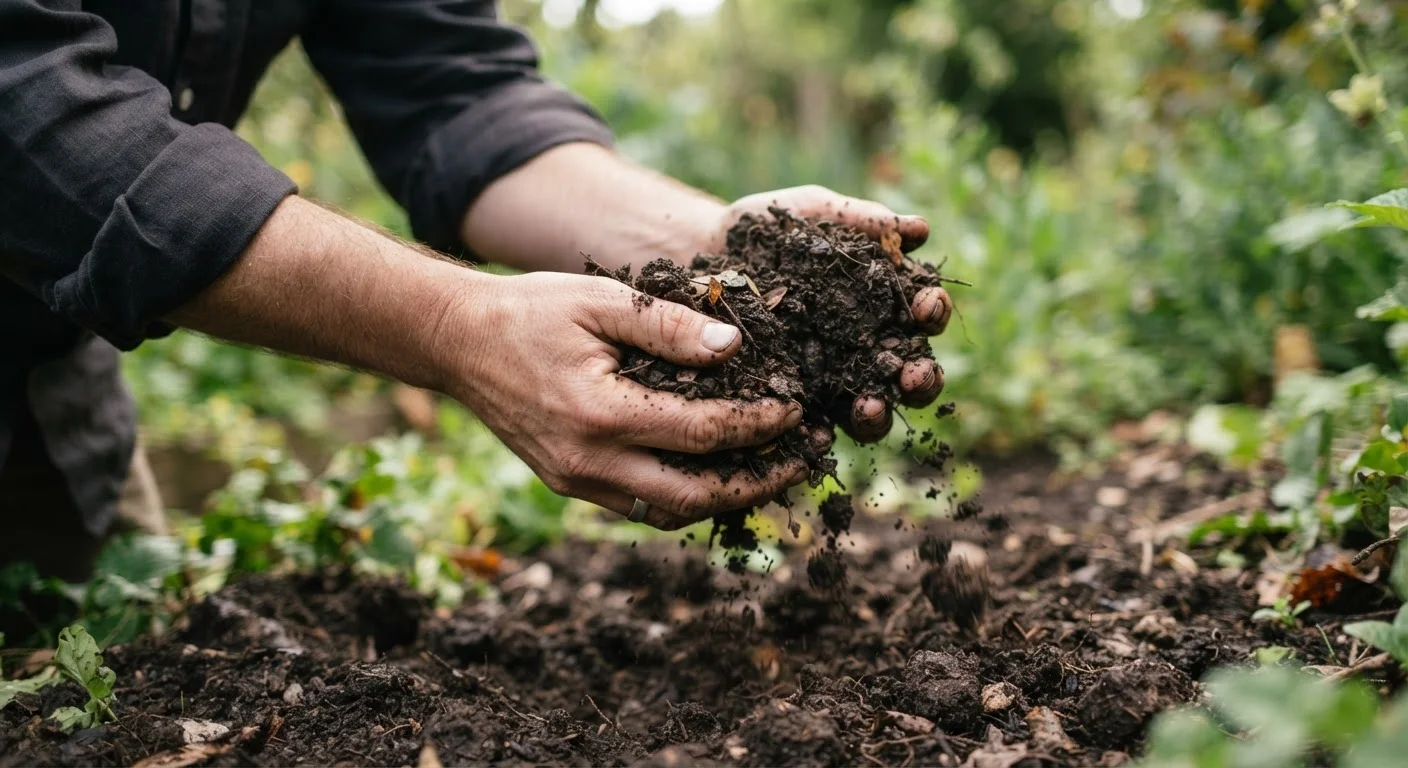
Photo: QuickSearches.net | It Doesn't Get Quicker Than This! editorial
Key Takeaways
- Soil color, texture, and drainage each signal distinct conditions that affect plant health.
- Dark, crumbly soil is generally healthy; pale, clumpy, or sticky soil usually needs attention.
- Compacted soil and waterlogged soil are common problems in American backyards and are fixable.
- Simple hands-on tests - squeeze, jar, and drainage tests - can reveal your soil type without a lab.
- Understanding your soil first saves money on plants, fertilizers, and amendments that won't work otherwise.
Why Soil Observation Matters Before You Plant Anything
Most gardening problems - yellowing leaves, stunted growth, root rot - trace back to soil conditions that were overlooked before the first seed went in. Soil isn't just dirt; it's a living system that communicates its state through texture, color, smell, and how it handles water. Learning to read those signals is the foundation of any successful yard or garden, and it costs nothing but a few minutes of your time.
This is especially important for budget-conscious homeowners. Spending money on plants, fertilizer, or amendments before understanding your soil is a common and expensive mistake. Knowing what you're working with lets you target the right fixes - and skip the ones you don't need. Before jumping into solutions, check out our guide on soil amendments and when you actually need them to pair with what you observe.
What Soil Texture Tells You
Texture refers to the proportion of sand, silt, and clay particles in your soil - and it shapes nearly everything else, from drainage to nutrient retention. You can get a quick read on texture with a simple squeeze test: grab a handful of moist soil and close your fist.
- Sandy soil falls apart immediately when you open your hand. It drains fast but struggles to hold water and nutrients.
- Clay-heavy soil holds its shape and feels slippery or sticky. It retains water well but compacts easily and can suffocate roots.
- Loamy soil holds its shape briefly and then crumbles with a gentle nudge - this is the ideal balance for most plants.
For a more detailed breakdown, try the jar test: fill a clear jar two-thirds with water, add a cup of soil, shake it vigorously, and let it settle for 24-48 hours. Sand sinks first, then silt, then clay floats on top. The relative layer depths reveal your soil's composition at a glance.
~50%
Healthy soil volume that is pore space
According to the USDA Natural Resources Conservation Service, roughly half of ideal garden soil volume should be air and water pore space to support root growth and microbial activity.
1 billion+
Microbial organisms in one teaspoon of healthy soil
Soil scientists estimate that a single teaspoon of healthy garden soil can contain more than one billion bacteria, along with fungi, protozoa, and other beneficial organisms.
~6.0-7.0
Optimal soil pH range for most vegetables
Most cooperative extension programs, including those affiliated with land-grant universities, recommend a pH of 6.0 to 7.0 for the majority of common vegetable crops.
Decoding Soil Color
Color is one of the fastest visual clues your soil offers. While it varies by region - soils in the Southeast, Southwest, and Midwest look very different from each other - a few general patterns hold broadly true:
- Dark brown or black soil typically indicates high organic matter content, which means good fertility and microbial activity.
- Pale gray or white soil can signal low organic matter, leaching (nutrients washing away), or high mineral content like calcium or salt.
- Red or orange soil (common in parts of the South and West) indicates iron oxide - this soil can be workable but often needs organic matter added.
- Yellow or mottled gray patches often point to poor drainage and periodic waterlogging, even if the surface looks dry at the moment.
Color is most informative when you dig down several inches, since surface soil is often affected by mulch, debris, or sun exposure. What's happening 4-6 inches down is usually more revealing.
Drainage Signals: Compacted and Waterlogged Soil
How water moves through your soil tells you as much as any other test. Perform a simple drainage test: dig a hole about 12 inches deep and 12 inches wide, fill it with water, let it drain, then fill it again and time how long it takes to empty.
- Drains in under 1 hour: Sandy or fast-draining soil - may struggle to retain moisture for plant roots.
- Drains in 1-3 hours: Generally healthy drainage, suitable for most plants.
- Takes longer than 4-6 hours: Slow drainage indicates clay-heavy or compacted soil that may need intervention.
Compacted soil - hard, dense, and resistant to digging - is one of the most common backyard problems, especially in high-traffic areas or new construction sites where heavy equipment has packed down the earth. Water pools on top, roots can't penetrate deeply, and plants struggle even if surface conditions look fine.
Waterlogged soil smells musty or sulfurous, stays soggy for days after rain, and often develops a grayish, mottled look deeper down. Improving drainage may involve adding organic matter, aerating, or considering raised bed planting as an alternative if the underlying drainage problem is severe.
Test Drainage Before Every New Planting Area
Putting It All Together Before You Plant
Reading your soil is most useful when it informs what comes next. Once you have a clearer picture - texture, color, and drainage - you can decide whether your soil needs amendments, whether raised beds make more sense, or whether you should choose plants naturally adapted to your conditions.
If you're planning a food garden, understanding soil health first is especially important. See our article on starting a vegetable garden on a tight budget for how to move from soil assessment into actual planting decisions. And if your yard runs dry in summer, establishing a drought-tolerant yard begins with knowing exactly the kind of soil you're working with.
Pairing your observations with protective habits - like mulching garden beds properly - helps maintain whatever soil improvements you make. The more you observe your soil across seasons, the better your instincts become, and the less you'll spend correcting problems that could have been caught early.
Frequently Asked Questions
The content on this site is provided for informational purposes only and should not be considered a substitute for professional advice. While we strive to provide accurate and up-to-date information, we make no guarantees regarding its completeness or accuracy. Always consult a qualified professional for advice specific to your circumstances before making any decisions