
Starting a Vegetable Garden From Scratch on a Tight Budget

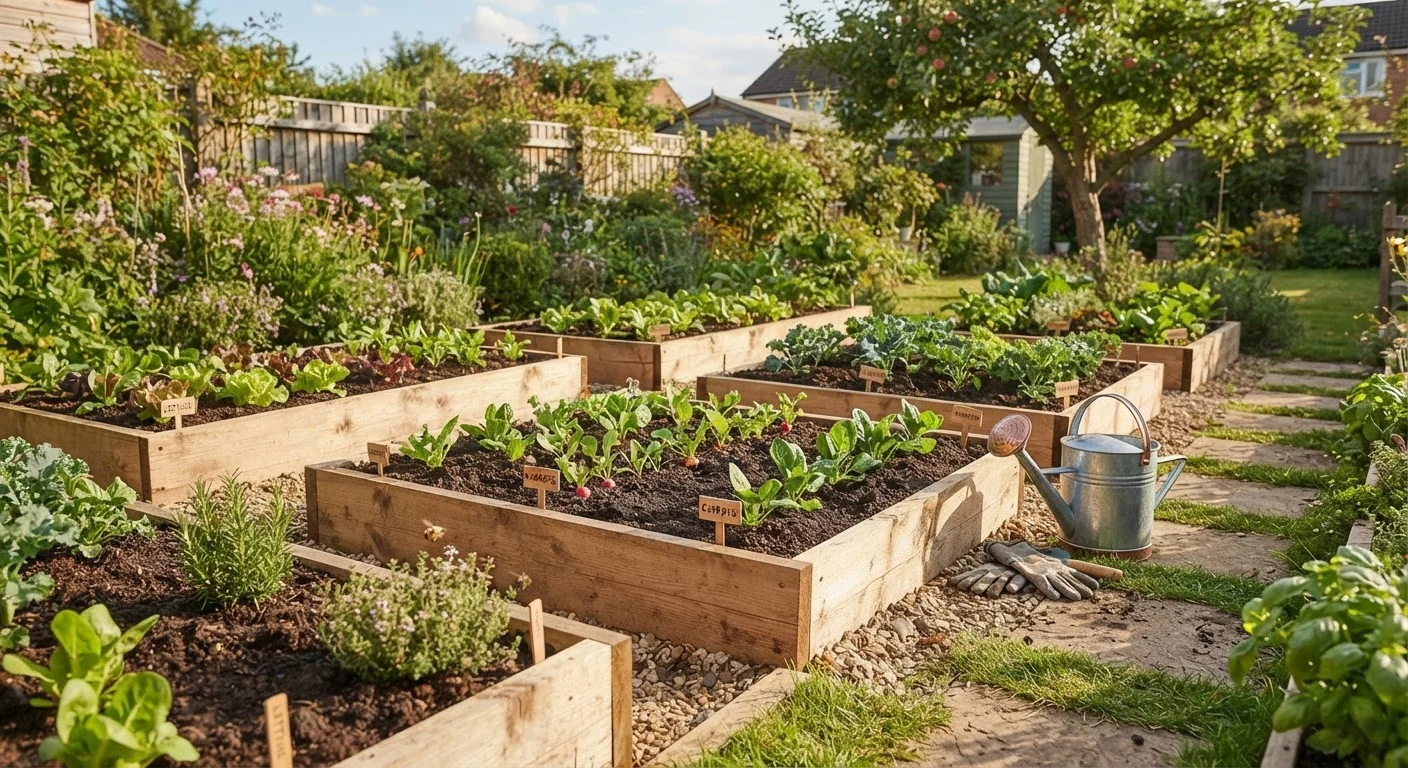
Photo: QuickSearches.net | It Doesn't Get Quicker Than This! editorial
Key Takeaways
- A 4×8-foot plot is a manageable and inexpensive starting size for most beginners.
- Improving native soil with compost is far cheaper than buying pre-mixed raised-bed soil.
- Seeds cost a fraction of transplants and yield just as much with minimal extra effort.
- Consistent, shallow watering beats heavy irregular soakings for most vegetables.
- Planting too much too soon is the single most common beginner mistake.
Choosing the Right Spot
The single most important decision you'll make is where to put your garden. Most vegetables need 6 to 8 hours of direct sunlight each day, so walk your yard at different times and note where sun falls longest. South- and west-facing areas typically get the most light in North American yards.
Keep these practical factors in mind when selecting a location:
- Proximity to a water source. Dragging a hose across a large yard every day gets old fast. Closer is better.
- Level ground. Slopes cause water runoff and uneven moisture. If your yard slopes, plan to create a small flat area or terrace.
- Distance from large trees. Tree roots compete aggressively for water and nutrients, and heavy canopy blocks sunlight.
Start small - a 4×8-foot bed is genuinely enough for a first season. It's large enough to grow a meaningful variety of vegetables but small enough to manage without becoming overwhelmed. You can always expand next year once you've built confidence.
Preparing Your Soil Without Spending a Fortune
Healthy soil is the foundation of every productive garden, and you don't need to spend heavily to get it right. Begin by clearing your chosen area of grass and weeds. A flat spade works for this; no rototiller needed for a small plot.
Once cleared, loosen the top 10-12 inches of soil with a garden fork. This breaks up compaction and lets roots penetrate easily. Then assess what you have:
- Sandy soil drains too fast - mix in compost to improve water retention.
- Clay-heavy soil holds too much water - compost again is the fix, improving drainage and aeration.
- Dark, crumbly loam is ideal - a light compost top-dress is all you need.
Compost is your most valuable, least expensive amendment. If you're not already composting, it's worth starting - our guide to composting at home without the smell or hassle walks through the whole process simply. Alternatively, many municipalities offer free or low-cost compost to residents; check your local public works department.
Avoid buying pre-bagged topsoil unless your native soil is genuinely unusable. Two to three inches of compost worked into existing soil almost always outperforms a thin layer of purchased topsoil placed on top.
Picking Plants That Give You the Most Value
Seeds are dramatically cheaper than transplants - a packet of 50 lettuce seeds typically costs less than a single six-pack of starts. For direct-sow crops like beans, carrots, radishes, and squash, seeds are the clear choice. Reserve your transplant budget for crops like tomatoes and peppers, which benefit from a head start but are harder to time from seed without a grow-light setup.
Focus on vegetables your household actually eats. A garden full of zucchini is only economical if someone is going to eat zucchini. Practical high-value picks for beginners include:
- Leafy greens (lettuce, spinach, kale) - fast-growing, cut-and-come-again, expensive in stores
- Cherry tomatoes - prolific producers over a long season from a single plant
- Green beans - easy from seed, large yields, minimal fuss
- Zucchini - notoriously productive; one or two plants are usually enough
- Radishes - ready to harvest in about 25 days, great for filling gaps
If you're interested in thinking longer-term about your plantings, the comparison in our perennials vs. annuals planning guide can help you decide where to invest once you're beyond the first season.
Save Money by Swapping Seeds
Spacing, Watering, and Keeping Costs Down
Overcrowding is tempting when seeds are cheap, but it's counterproductive. Plants competing for light, water, and nutrients produce less - not more. Follow the spacing guidelines on each seed packet. As a general rule of thumb:
- Lettuce and spinach: 6-8 inches apart
- Tomatoes: 18-24 inches apart
- Beans: 4-6 inches apart in rows 18 inches apart
- Zucchini: at least 24-36 inches apart
For watering, aim for roughly 1 inch per week, delivered in two or three sessions rather than daily light sprinkles. Shallow watering encourages shallow roots; deep, less-frequent watering pushes roots downward where they're more resilient. Water at the base of plants - not overhead - to reduce the risk of fungal disease.
Mulching between rows with straw, shredded leaves, or wood chips (often free from tree trimming services) conserves moisture and suppresses weeds, cutting down how often you need to water and weed. This one habit alone can save hours of work across a season.
For pest and disease management, starting with healthy soil and good spacing does most of the work. If problems do appear, our article on garden pest control without reaching for chemicals covers low-cost, low-toxicity approaches worth knowing before you spend money on products.
Common Mistakes and How to Avoid Them
New gardeners tend to repeat the same handful of errors. Knowing them in advance saves time, money, and frustration.
- Planting too much at once
- A few varieties grown well outperform a crowded plot of struggling plants. Resist the urge to fill every inch immediately.
- Skipping soil preparation
- Seeds dropped into hard, unimproved soil germinate poorly. The hour spent loosening and amending your soil before planting pays off all season long.
- Inconsistent watering
- Letting soil dry out completely between waterings stresses plants and leads to problems like blossom end rot in tomatoes. Consistent moisture is more important than perfect amounts.
- Not tracking spending
- It's easy to spend more than you save if you're not watching costs. Keep a simple running total of what you spend. A vegetable garden should contribute to your household budget, not strain it - the same principles that apply to personal budgeting apply here too.
Finally, keep notes each season - what grew well, what struggled, when you planted, and when you harvested. These records are the cheapest and most useful tool you'll ever have in the garden.
Don't Skip the Weed Step Before Planting
Frequently Asked Questions
The content on this site is provided for informational purposes only and should not be considered a substitute for professional advice. While we strive to provide accurate and up-to-date information, we make no guarantees regarding its completeness or accuracy. Always consult a qualified professional for advice specific to your circumstances before making any decisions