
Raised Beds vs. In-Ground Planting: A Practical Look for Home Gardeners

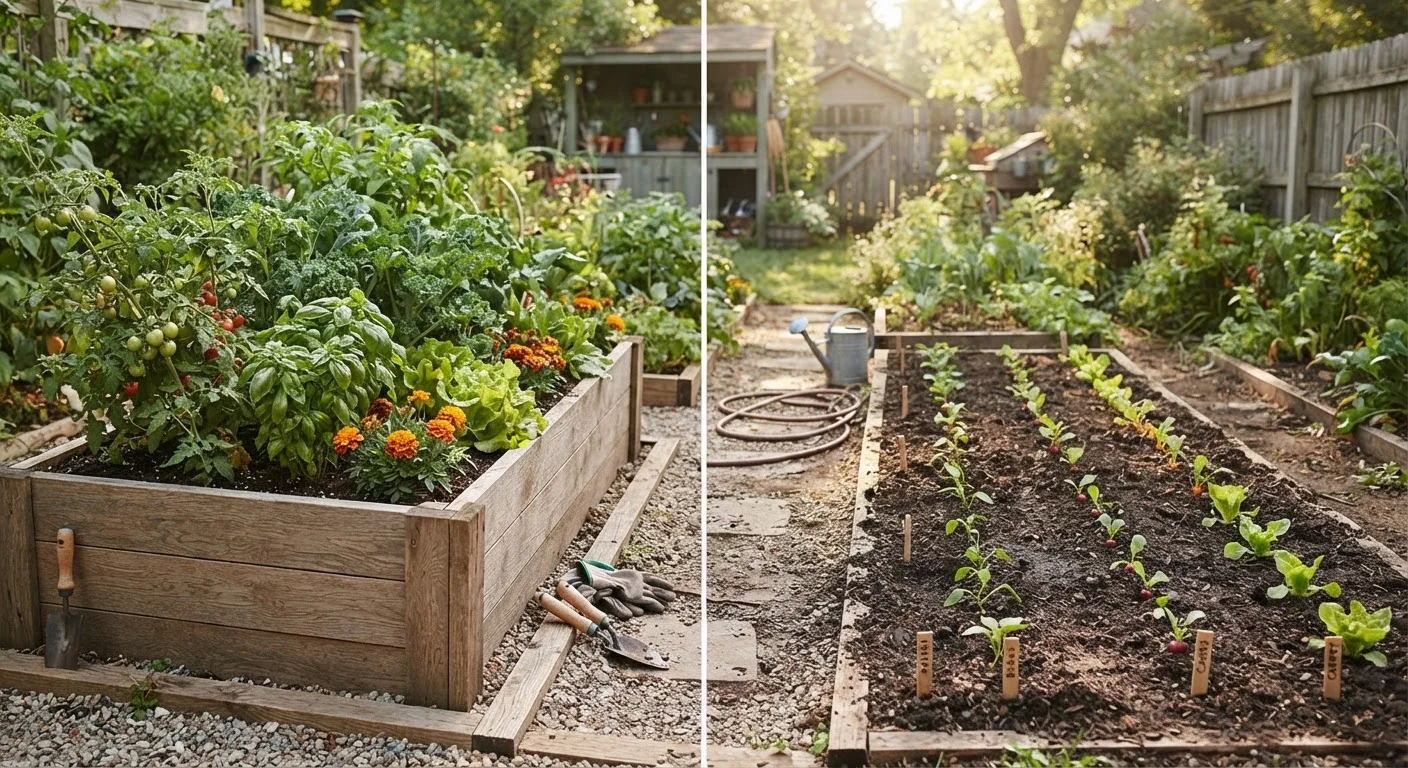
Photo: QuickSearches.net | It Doesn't Get Quicker Than This! editorial
Key Takeaways
- Raised beds cost more upfront but offer better drainage, fewer weeds, and easier access.
- In-ground planting is less expensive to start and suits gardeners with good native soil.
- Soil quality is the biggest deciding factor - poor or compacted soil strongly favors raised beds.
- Both methods can be productive with the right preparation and plant choices.
- Budget-conscious gardeners can start in-ground and add raised beds incrementally over time.
Understanding the Core Difference
When most people picture a vegetable garden, they imagine rows of plants growing directly in the earth. That's in-ground gardening - working with whatever soil your yard provides, amended over time. Raised beds, by contrast, are contained frames (typically wood, metal, or composite) filled with a custom soil mix elevated above the surrounding ground.
Both approaches grow food and flowers effectively. The meaningful differences show up in startup cost, labor requirements, soil control, and how forgiving each method is for beginners. If you're also weighing what to plant once you've chosen your method, our guide to perennials vs. annuals can help you think through plant selection alongside bed type.
Cost Comparison: Upfront vs. Long-Term
In-ground gardening has a clear advantage at the starting line. Beyond basic tools and seeds or transplants, your primary investment is soil amendment - compost, organic matter, or fertilizer to improve what's already there. For many homeowners, this can mean spending as little as $20-$50 to break ground on a modest plot.
Raised beds require purchasing or building the frame, then filling it with purchased soil mix. A single 4×8-foot bed with materials and quality fill can easily run $100-$300 or more depending on the frame material and how much soil volume you need. Costs multiply quickly if you build multiple beds.
That said, raised beds often reduce ongoing costs over time. Fewer weeds mean less labor and less money spent on weed management. Better drainage and aeration can reduce plant loss. And because the root zone is defined, inputs like compost and fertilizer are more targeted and efficient.
| Raised Beds | In-Ground Planting | |
|---|---|---|
| Startup Cost | Higher ($100-$300+ per bed) | Lower ($20-$50 to start) |
| Soil Control | Full control over soil mix | Dependent on native soil quality |
| Drainage | Excellent by design | Varies by native soil type |
| Weed Pressure | Lower, especially early on | Higher, requires more management |
| Physical Accessibility | Easier on back and knees | More bending and kneeling required |
| Scalability | Costly to expand at scale | Easy to expand with space |
| Maintenance Over Time | Frame replacement eventually needed | Ongoing soil amendment required |
For those just starting out, our vegetable garden on a tight budget guide walks through low-cost strategies that apply to both methods.
Soil Control and Drainage
This is where raised beds genuinely shine. When you fill a raised bed, you control every variable - texture, drainage, fertility, and pH. Gardeners dealing with heavy clay, rocky ground, sandy soil that won't hold nutrients, or soil that may have been exposed to contaminants have a powerful reason to go raised.
In-ground gardening means working with what you've got. That's manageable if your native soil is loamy and drains reasonably well, but it can be an uphill battle otherwise. Consistent soil amendment over several growing seasons can dramatically improve in-ground beds - it just takes time and patience.
Test Before You Build or Dig
Good mulching practice helps both approaches. Our guide to mulching garden beds covers material types and application depth that apply whether you're gardening in frames or directly in the ground.
Weed Pressure, Pests, and Maintenance
Raised beds generally see less weed pressure, especially in the first few seasons, because you're starting with weed-free fill rather than native soil loaded with dormant seeds. A layer of landscape fabric beneath the bed can suppress weeds further. In-ground gardens are more exposed to weed competition and typically require more consistent cultivation or mulching to stay manageable.
Pest dynamics are more nuanced. Some pests - like slugs - can be somewhat easier to manage in raised beds because the defined perimeter is easier to barrier. However, raised beds don't eliminate pest problems, and soil-dwelling insects move freely. For practical, low-chemical approaches to pest management that work in both settings, see our garden pest control guide.
One maintenance reality for raised beds: wooden frames eventually rot and need replacement. Cedar and redwood are more rot-resistant than pine, but even durable wood typically lasts 7-15 years depending on climate and moisture exposure.
Physical Access and Garden Ergonomics
For gardeners with back pain, limited mobility, or difficulty kneeling, raised beds are a meaningful quality-of-life improvement. Beds built at 24 inches or higher allow gardening from a standing position or seated on a garden stool, reducing strain considerably. Standard 18-inch beds still require bending but far less than ground-level work.
In-ground gardens demand regular kneeling, squatting, and bending. For physically active gardeners without mobility concerns, this isn't a drawback - but it's a real consideration as gardeners age or manage chronic conditions.
Also worth noting: if you're gardening on a slope or uneven terrain, raised beds allow you to create a level growing surface that would otherwise require significant earthwork. On flat lots with good soil, this advantage disappears entirely.
Which Approach Fits Your Situation?
Start with your soil. Request a basic soil test through your local cooperative extension service - it's typically inexpensive and tells you exactly what you're working with. If results show heavily compacted clay, high contamination risk (common in older urban lots), or extreme pH imbalance, raised beds are the practical path forward.
If your soil tests reasonably healthy, in-ground gardening is a sensible starting point. Amend with compost each season, practice good mulching, and you'll build a productive growing environment over time. Many experienced gardeners use both: a few raised beds for high-value crops like salad greens and herbs, and larger in-ground areas for sprawling plants like squash, tomatoes, or corn.
For ideas on making either method more water-efficient, especially in drier climates, our drought-tolerant yard guide covers soil prep and plant choices that reduce irrigation needs across any growing setup.
The content on this site is provided for informational purposes only and should not be considered a substitute for professional advice. While we strive to provide accurate and up-to-date information, we make no guarantees regarding its completeness or accuracy. Always consult a qualified professional for advice specific to your circumstances before making any decisions