
Perennials vs. Annuals: Planning a Garden That Doesn't Start Over Every Spring

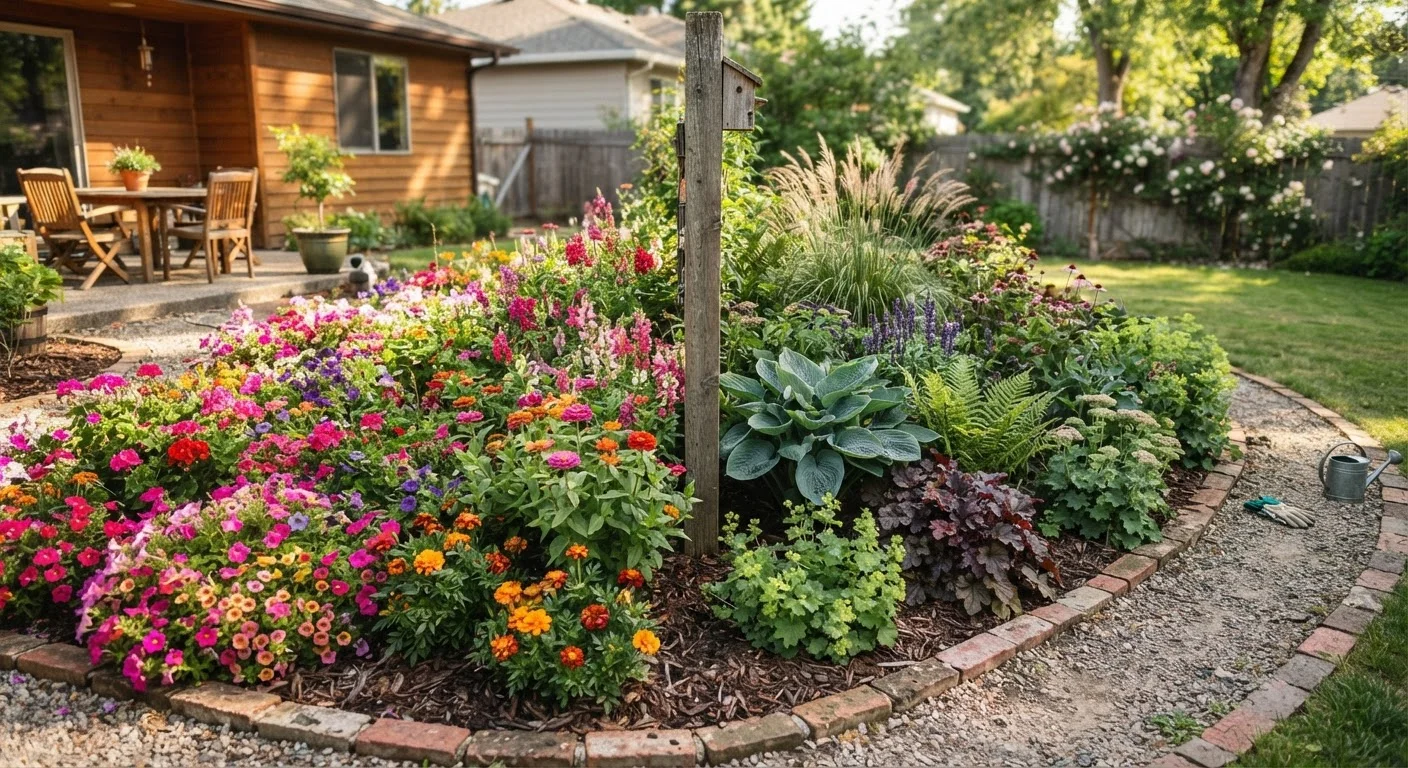
Photo: QuickSearches.net | It Doesn't Get Quicker Than This! editorial
Key Takeaways
- Perennials return each year from the same root system, reducing replanting costs over time.
- Annuals complete their full life cycle in one season, offering longer and often showier bloom periods.
- A combined planting strategy typically delivers both seasonal color and long-term structure.
- Perennials often have higher upfront plant costs but lower cumulative spending across multiple years.
- Annuals give gardeners flexibility to experiment with color and design without long-term commitment.
- Soil preparation and mulching benefit both types and are among the best investments you can make.
What Actually Separates Perennials From Annuals
The distinction is rooted in biology, not preference. Annuals germinate, flower, set seed, and die - all within a single growing season. Perennials store energy in their root systems and go dormant in winter, then regrow from those same roots each spring. A third category, biennials, takes two years to complete their cycle, but most home gardeners focus on the first two.
This difference has real practical consequences. Because annuals put all their energy into flowering before they die, they tend to bloom longer and more prolifically than many perennials. Perennials, by contrast, spend their first season (or two) establishing roots before showing off much above ground - a frustrating reality captured in the old gardener's saying: "First year it sleeps, second year it creeps, third year it leaps."
Understanding this trade-off is the foundation for any smart planting plan. For a broader look at getting started on a garden budget, see our guide to starting a garden on a tight budget.
The Real Cost Comparison Over Time
Annuals typically cost less per plant at the nursery, but you buy them every single year. A flat of annual impatiens may run $15-$25, and you'll spend that again next May. Perennials cost more per plant upfront - a gallon-sized coneflower or black-eyed Susan might run $8-$15 individually - but they return without repurchasing. Many also divide after a few years, giving you free transplants to expand beds or share with neighbors.
| Criterion | Perennials | Annuals |
|---|---|---|
| Lifespan | Returns for 3+ years | One growing season only |
| Upfront plant cost | Higher per plant | Lower per plant |
| Long-term cost | Lower - no annual repurchase | Higher - bought every year |
| Bloom duration | Often shorter window per season | Continuous until frost |
| Establishment time | 1-2 seasons to mature | Blooms same season planted |
| Design flexibility | Fixed once established | Change colors/layout yearly |
| Maintenance type | Dividing, cutting back | Replanting, deadheading |
Run the math over five years and perennials almost always win on total cost for established beds, assuming they're well-suited to your climate and soil. The key phrase is well-suited: a perennial planted in the wrong conditions won't return, and that upfront investment is lost.
Good soil preparation is one of the best ways to protect that investment regardless of which type you choose. Our guide to mulching garden beds covers how to retain moisture and suppress weeds in a way that benefits both annuals and perennials.
Designing a Garden That Uses Both Strategically
The most practical approach for most homeowners isn't a choice between one or the other - it's a layered strategy. Use perennials to create the structural backbone of a bed: plants that define the shape, provide foliage texture, and return dependably. Then use annuals to fill gaps, extend the color season, and give yourself design flexibility year to year.
3-5 years
Time for perennials to reach full mature spread
University extension programs commonly note that most herbaceous perennials take several seasons to fully establish and fill a bed as designed.
~70%
Recommended perennial ratio in established beds
Many landscape designers suggest a perennial-dominant planting with annual accents as a practical balance of cost-efficiency and seasonal color.
A useful rule of thumb: aim for roughly 70% perennials and 30% annuals in an established bed. In year one of a new bed, that ratio flips naturally because the perennials haven't filled in yet - which is exactly when a flat of annuals earns its cost.
Pair perennials that bloom at different times so the bed has interest from early spring through fall. Combine early bloomers like creeping phlox or bleeding heart with mid-season coneflowers or salvia, and late-season asters or ornamental grasses. Annuals like zinnias, marigolds, or petunias can bridge the gaps between those bloom windows.
If you're exploring lower-water options, many perennials are strong candidates. Our article on establishing a drought-tolerant yard walks through selecting plants that thrive with less irrigation - a natural fit for a perennial-forward garden.
Maintenance Realities: What You're Actually Signing Up For
Neither type is truly maintenance-free. Annuals require replanting each season, regular deadheading (removing spent blooms) to keep them flowering, and consistent watering since their shallow root systems dry out faster. Perennials need dividing every few years to stay vigorous, occasional cutting back in fall or early spring, and patience during establishment.
One underrated advantage of perennials is that a well-established planting - especially with native species - can become genuinely lower-maintenance over time as plants fill in and crowd out weeds. Our article on native plants and the low-maintenance lawn offers a balanced, research-grounded look at where that promise holds up and where it doesn't.
For either type, the single biggest maintenance reducer is starting with the right plant in the right place - matching sun, soil drainage, and moisture requirements before you buy. A shade-loving annual wilting in full sun, or a drought-tolerant perennial drowning in clay, wastes money and effort regardless of category.
Check Your Hardiness Zone Before You Buy
The content on this site is provided for informational purposes only and should not be considered a substitute for professional advice. While we strive to provide accurate and up-to-date information, we make no guarantees regarding its completeness or accuracy. Always consult a qualified professional for advice specific to your circumstances before making any decisions