
What Defensive Driving Actually Means - and Why It Matters

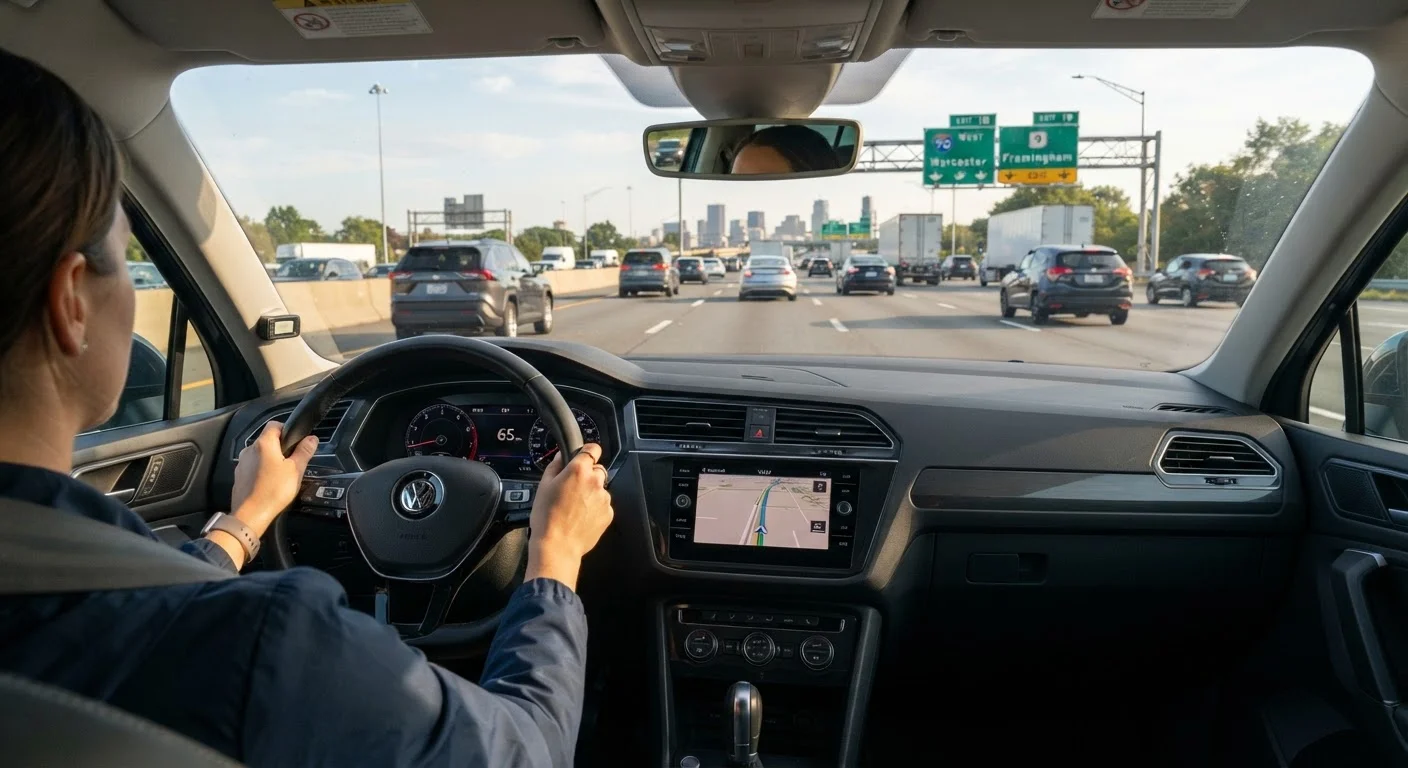
Photo: QuickSearches.net | It Doesn't Get Quicker Than This! editorial
Key Takeaways
- Defensive driving means anticipating hazards, not just reacting to them.
- Maintaining a safe following distance is one of the most impactful defensive habits you can build.
- Speed management, situational awareness, and eliminating distractions are core pillars of the approach.
- Modern safety technology assists drivers but cannot replace active attention and sound judgment.
- Defensive driving principles apply on every road type, in every season and weather condition.
More Than Just Being Careful
Most drivers think of themselves as safe. They follow traffic laws, avoid texting at the wheel, and don't take deliberate risks. But there's a meaningful gap between complying with rules and driving defensively - and that gap is where most preventable crashes live.
Defensive driving is a proactive discipline. It assumes that other drivers will make mistakes, that road conditions can change without warning, and that the driver's job is to manage all of it. The contrast is with reactive driving, where you respond to danger only once it's already present. By then, your options are often limited.
This approach stands in direct opposition to aggressive driving habits, which prioritize speed and position over shared safety. Understanding what defensive driving actually requires - not just in attitude, but in specific behaviors - is the first step toward applying it consistently.
Defensive Driving Is Not a One-Time Achievement
The Core Principles in Practice
Defensive driving rests on a handful of concrete habits that work together:
- Maintain a safe following distance. Keeping enough space between your vehicle and the one ahead is your primary buffer against sudden stops. Safe following distance gives your brain and body time to process and react - something that shrinks dramatically at higher speeds.
- Scan well ahead. Rather than watching only the car directly in front of you, experienced defensive drivers look 10 to 15 seconds ahead along their intended path. This gives earlier warning of traffic slowdowns, merging vehicles, or road debris.
- Manage your speed for conditions. Posted speed limits reflect optimal conditions. Rain, fog, heavy traffic, or construction zones all require reduced speeds even if the limit hasn't changed.
- Eliminate distractions. Phones are the most discussed distraction, but eating, adjusting climate controls, and in-car conversations all compete for attention. Defensive driving demands cognitive presence, not just physical presence behind the wheel.
- Expect the unexpected. Yield generously, avoid positioning yourself in other drivers' blind spots, and always have a mental escape route - a path you could take if the vehicle ahead stopped instantly.
Build the Three-Second Rule Into Every Drive
Situational Awareness as a Skill
The most underappreciated element of defensive driving is situational awareness - knowing what's happening around your entire vehicle, not just in front of it. This means regularly checking mirrors, monitoring the behavior of vehicles two or three cars ahead, and noticing early warning signs like brake lights flickering in the distance or a pedestrian stepping toward the curb.
Situational awareness also means understanding how your environment affects risk. Night driving changes visibility and hazard recognition in ways that demand adjusted habits. Similarly, seasonal conditions - ice, standing water, sun glare - each introduce hazards that require specific adaptations. A year-round preparedness approach is a natural extension of the defensive driving mindset.
Technology in modern vehicles can support situational awareness, but it has hard limits. Safety systems like lane assist and automatic braking are tools designed to assist an attentive driver - not compensate for an inattentive one. Relying on them as a substitute for awareness undermines the entire premise of defensive driving.
Why It Matters Beyond the Individual Driver
Defensive driving isn't purely self-protective. When you leave sufficient space, signal clearly, and anticipate the movements of others, you reduce chaos in the traffic system around you. Studies consistently show that rear-end and intersection crashes - the most common crash types on U.S. roads - are largely preventable with better spacing and hazard awareness.
There's also a financial dimension. Crashes carry costs well beyond repair bills: insurance rate increases, lost wages, medical expenses, and vehicle depreciation all factor in. Understanding how ownership costs accumulate - as explored in our guide on vehicle depreciation and smart car ownership - underscores why keeping your vehicle out of collisions is also a sound financial decision.
Defensive driving is ultimately a professional-grade skill applied in everyday life. It doesn't require special equipment or formal training to begin, but it does require deliberate, sustained attention every time you get behind the wheel.
~94%
Crashes involving human choice or error
According to the National Highway Traffic Safety Administration, the vast majority of motor vehicle crashes involve a critical human factor - not mechanical failure or road design alone.
3 sec
Minimum recommended following distance
Traffic safety organizations widely recommend a minimum three-second following gap in normal conditions, extending to four or more seconds in rain, fog, or heavy traffic.
29%
Fatal crashes involving speeding
NHTSA data consistently shows that speeding - including driving too fast for conditions - is a contributing factor in roughly three in ten fatal crashes annually in the U.S.
Frequently Asked Questions
The content on this site is provided for informational purposes only and should not be considered a substitute for professional advice. While we strive to provide accurate and up-to-date information, we make no guarantees regarding its completeness or accuracy. Always consult a qualified professional for advice specific to your circumstances before making any decisions