
Car Ownership

The Hidden Costs First-Time Car Owners Often Miss

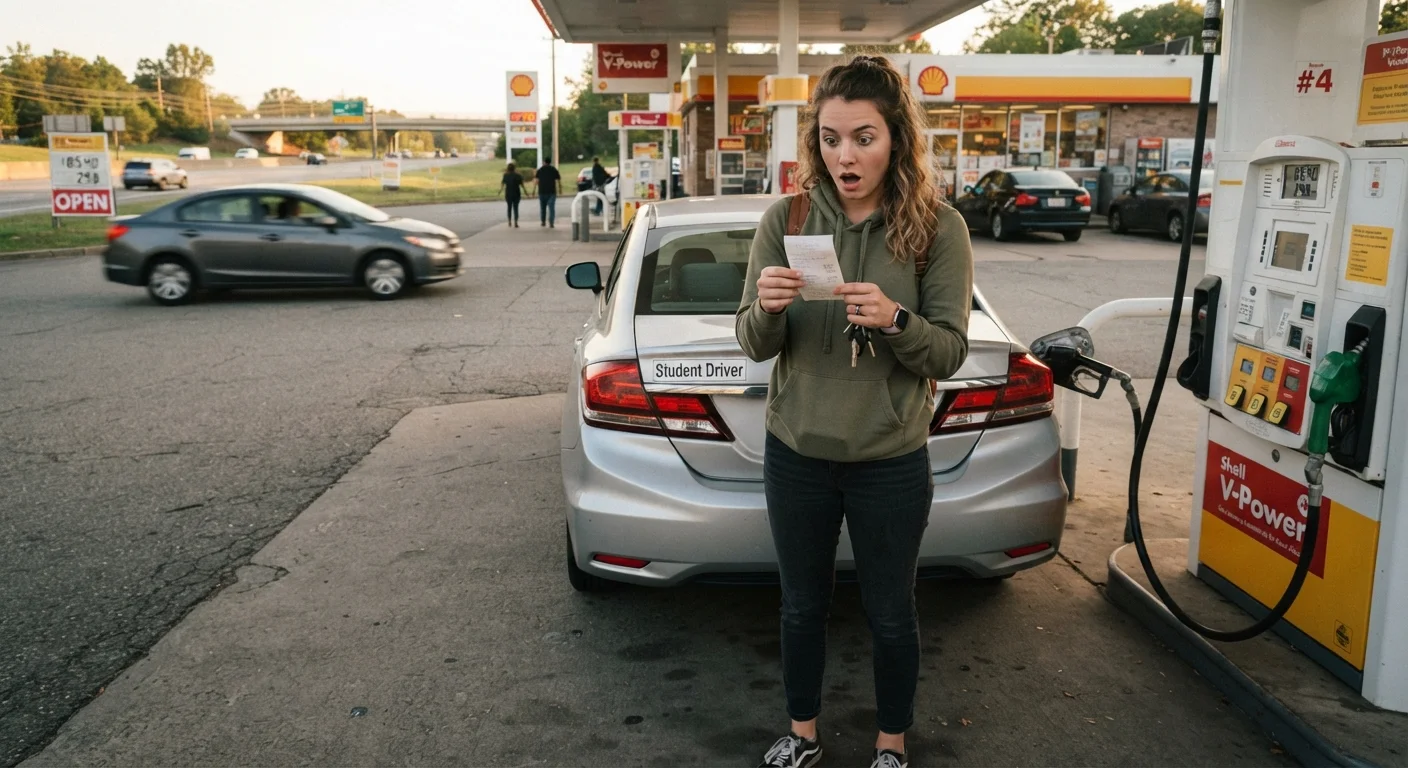
The Hidden Costs First-Time Car Owners Often Miss

Photo: QuickSearches.net | It Doesn't Get Quicker Than This! editorial

Registration fees, tire wear, roadside emergencies — first-time owners are often caught off guard. Here's what to budget for.

Key Takeaways

  • Registration fees, taxes, and title costs can add hundreds of dollars beyond the purchase price at signing.
  • Routine maintenance — oil changes, tires, brakes — is a predictable but frequently underbudgeted expense.
  • An emergency fund specifically for car repairs can prevent a single breakdown from derailing your finances.
  • Comprehensive insurance coverage costs vary significantly based on your location, age, and driving record.
  • Depreciation quietly erodes your vehicle's value from day one, affecting long-term ownership decisions.

Why First-Time Owners Get Caught Off Guard

Buying your first car tends to center on one number: the purchase price. But the true cost of ownership spreads across dozens of line items that don't appear on any window sticker. For budget-conscious drivers, these surprises can strain monthly finances quickly — and some hit before you even leave the dealership lot.

Understanding where the money goes isn't about pessimism. It's about control. Getting your bearings as a new car owner starts with knowing every category of cost you're likely to face, not just the ones you've already planned for.

1

Ignoring registration, title, and state taxes at the time of purchase.

Why it happens: First-time buyers focus on negotiating the vehicle price and monthly payments, assuming fees are minor. In reality, sales tax, title fees, and registration costs can add $500 to over $1,500 depending on the state and vehicle value.
How to avoid: Before finalizing any deal, ask the dealer for a complete out-the-door price that itemizes every government fee and tax. Research your state's DMV website to understand what registration will cost annually going forward, since it recurs every year.
2

Underestimating the full cost of auto insurance.

Why it happens: New owners often get one quote and assume it reflects the market. Insurance premiums vary widely based on coverage level, deductible, credit history, ZIP code, and driving record — factors that are easy to overlook when you're excited about a new vehicle.
How to avoid: Get quotes from multiple insurers before purchasing the car. Understand the difference between liability-only and comprehensive/collision coverage, and factor the premium into your monthly budget before you commit to a vehicle price point. Skipping this step is one of the most common sources of buyer's remorse.
3

Failing to budget for routine maintenance costs.

Why it happens: Oil changes, tire rotations, air filters, and brake pads feel like future problems at purchase time. Many owners only think about maintenance reactively — when the dashboard warning light appears.
How to avoid: Review the vehicle's owner's manual to understand the recommended maintenance schedule. Estimate the annual cost of those services for your specific make and model, then set aside a fixed amount each month so the expense never arrives as a surprise.
4

Having no emergency repair fund for unexpected breakdowns.

Why it happens: It's human nature to assume a newly purchased vehicle — especially a used one that passed an inspection — won't need major repairs anytime soon. But mechanical systems don't follow optimistic timelines.
How to avoid: Financial planners generally recommend keeping a dedicated vehicle emergency fund separate from your general savings. Even setting aside a modest amount each month creates a cushion that prevents a single repair bill from forcing you onto a high-interest credit card.
5

Overlooking fuel costs when choosing a vehicle.

Why it happens: Buyers often compare vehicles on price and features without calculating realistic annual fuel expenses. A vehicle with lower fuel economy can cost meaningfully more per year depending on how much you drive.
How to avoid: Use the EPA's fuel economy estimates combined with your expected annual mileage and local gas prices to project yearly fuel costs for any vehicle you're considering. This calculation can shift the apparent value of two vehicles significantly.
6

Ignoring depreciation as a real financial cost.

Why it happens: Depreciation is invisible — it doesn't show up on a bill. New owners often don't think about it until they try to sell or trade in the vehicle and discover it's worth far less than expected.
How to avoid: Understand that new vehicles typically lose a significant portion of their value within the first few years. If you plan to sell or trade in within a short window, factor depreciation into your total cost of ownership calculation from day one.

Building a Realistic Ownership Budget

Once you understand the common pitfalls, the next step is translating that knowledge into a monthly budget. A practical approach is to calculate your total annual ownership cost — insurance, registration, fuel, scheduled maintenance, and a repair reserve — then divide by 12. That number, added to your loan payment, is your true monthly cost of ownership.

$12,000+

Estimated annual cost to own and operate a vehicle

AAA's annual 'Your Driving Costs' study has consistently found that average vehicle ownership costs, including depreciation, insurance, fuel, and maintenance, exceed $10,000–$12,000 per year for many drivers.

~20%

Typical first-year depreciation on a new vehicle

Many new vehicles lose roughly 15–20% of their value within the first year of ownership, according to automotive valuation industry analyses — a significant hidden cost for buyers who sell or trade in early.

Industry estimates from sources such as AAA suggest the average annual cost of owning and operating a vehicle runs into the thousands when all factors are included. Your personal figure will vary based on vehicle age, mileage, location, and driving habits, but building a buffer into your budget is far safer than assuming smooth sailing.

For a deeper look at how individual expense categories stack up across the full ownership lifecycle, a complete overview of managing car ownership costs can help you map out a year-by-year financial picture. And if you're still in the shopping phase, reviewing the real cost of owning a car beyond the sticker price before you commit to a vehicle can save significant money over time.

Skipping a Pre-Purchase Inspection Costs More Later

Used vehicles may carry hidden mechanical issues that aren't apparent during a test drive. A pre-purchase inspection by an independent, qualified mechanic typically costs a modest fee and can uncover problems worth far more than that in repair bills. Never skip this step when buying a used vehicle, regardless of how good the car appears on the surface.

Cars & Driving Editorial Team

QuickSearches.net | It Doesn't Get Quicker Than This!

Cars & Driving Editorial Team is the collective byline for our editorial team and contributor network. Articles published under this byline or an editorial pen name are researched, written, and reviewed according to our editorial standards for clarity, consistency, and independence before publication.

Buying a CarCar OwnershipDriving & Safety
View author profile

The content on this site is provided for informational purposes only and should not be considered a substitute for professional advice. While we strive to provide accurate and up-to-date information, we make no guarantees regarding its completeness or accuracy. Always consult a qualified professional for advice specific to your circumstances before making any decisions