
Personal Budgeting: A Complete Guide From First Dollar to Long-Term Habit

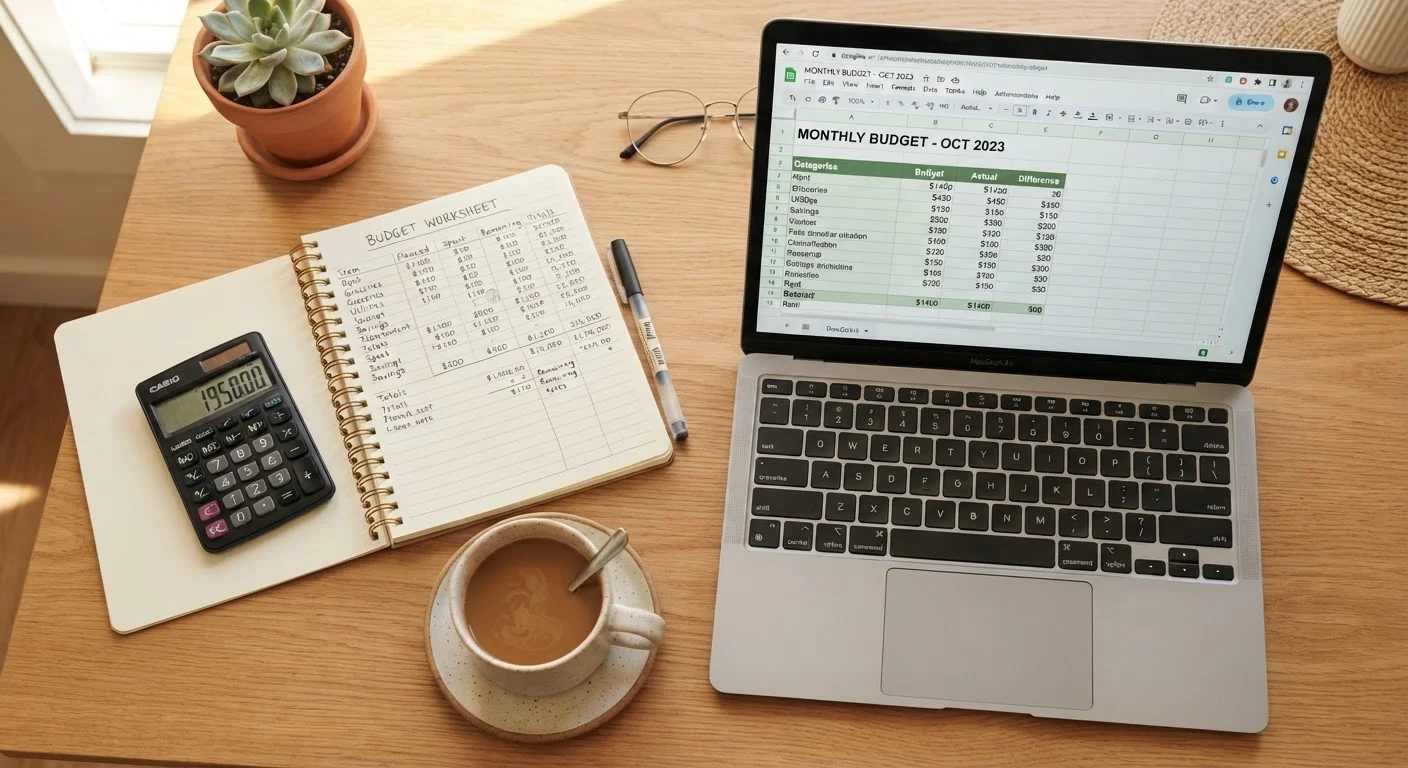
Photo: QuickSearches.net | It Doesn't Get Quicker Than This! editorial
Key Takeaways
- A budget is simply a plan for your money - not a punishment or a restriction.
- Knowing your exact take-home income and fixed expenses is the essential first step.
- Multiple budgeting methods exist; the best one is the one you'll actually use.
- Automation removes willpower from the equation and improves follow-through.
- Irregular expenses - car repairs, medical bills - break most budgets when unplanned.
- Small monthly reviews matter more than building the perfect budget on day one.
Why Budgeting Actually Works
Most people who struggle financially aren't bad with money - they simply don't have a clear picture of where it goes. A budget fixes that. It's not about deprivation; it's about intention. When you decide in advance how each dollar gets spent, you stop making financial decisions by default and start making them by choice.
Research from the Consumer Financial Protection Bureau consistently links financial self-tracking to reduced stress and improved savings outcomes. You don't need a high income for a budget to help - in fact, lower incomes benefit the most because there's less margin for error. If you've told yourself budgeting isn't for you, see our look at common budgeting myths that may be holding you back.
~1 in 3
Americans with no monthly budget
Surveys by the National Foundation for Credit Counseling have consistently found a significant share of U.S. adults track spending loosely or not at all.
$1,400
Average monthly irregular expense gap
Federal Reserve data on household finances shows most families face hundreds to over a thousand dollars per year in unplanned expenses that stress existing budgets.
20%
Recommended savings allocation (50/30/20 rule)
The 50/30/20 framework, widely cited by consumer finance educators, designates this share for savings and debt repayment above minimums.
Getting Your Numbers Straight
Before you choose a method or open an app, you need two accurate figures: what comes in and what goes out.
Take-home income: Use your actual net pay after taxes and deductions - not your gross salary. If your income varies (gig work, tips, hourly with irregular hours), average your last three months of deposits.
Fixed expenses: Rent or mortgage, minimum loan payments, insurance premiums, and subscriptions that don't change month to month. List each one with its exact amount.
Variable expenses: Groceries, gas, dining out, clothing, entertainment. Pull three months of bank or credit card statements and average each category. Most people underestimate these by 20-30%.
Irregular expenses: Annual fees, car registration, holiday gifts, medical copays, and home repairs. These are budget-killers when ignored. Add them up for the year and divide by 12 to create a monthly reserve amount.
When calculating variable expenses, always use bank statements - never memory. People consistently underestimate discretionary spending by a significant margin when working from recall alone.
Create a separate line item for "budget errors" - about 3-5% of monthly income. This absorbs small miscalculations without blowing up your whole plan.
This article provides general financial education and is not personalized financial advice. For guidance specific to your situation, consider consulting a certified financial counselor or advisor.
Choosing a Budgeting Method
There's no universally correct approach. The right method is the one that fits your income pattern, personality, and spending habits.
50/30/20
Divide after-tax income into needs (50%), wants (30%), and savings or debt payoff (20%). It's simple and forgiving - a solid entry point for first-time budgeters. The downside: it can be too loose if you're carrying high-interest debt.
Zero-Based Budgeting
Every dollar of income gets assigned a job - expenses, savings, debt - until the remaining balance hits zero. It requires more effort upfront but gives you complete visibility. Works especially well for people who want total control or who have a history of money "disappearing."
Pay Yourself First
Move savings to a separate account the moment your paycheck arrives, then live on what's left. It's psychologically effective because the saving happens before spending temptation kicks in. Pair it with automated transfers for maximum effect.
Envelope Method
Allocate cash into labeled envelopes for each spending category. When an envelope is empty, spending in that category stops. Highly tactile - works well for people who overspend digitally but respond to physical limits.
Tools That Help You Stay on Track
Your budgeting tool should reduce friction, not add it. The format that works best depends on how your brain works and how much flexibility you need. A paper notebook gives full control with zero distractions. A spreadsheet lets you customize categories and run your own calculations. Apps automate transaction categorization but require you to trust a third-party platform with your bank login credentials.
For a side-by-side breakdown of trade-offs across all three formats, see our guide on choosing the right budgeting tool for your style. Whatever format you pick, the goal is the same: a clear, up-to-date view of where your money stands relative to your plan.
If you're managing household expenses that include a vehicle, the car ownership hub has useful guidance on budgeting for maintenance and insurance costs - two categories people frequently underestimate.
Common Pitfalls and How to Avoid Them
Setting unrealistic targets. Cutting a $600 monthly food budget to $200 overnight rarely sticks. Aim for a 10-15% reduction first, then adjust as new habits form.
Ignoring irregular expenses. As noted above, car repairs, dental work, and annual subscriptions wreck budgets that only account for monthly bills. Build a dedicated "sinking fund" - a small monthly contribution toward predictable irregular costs.
Treating a budget as fixed. Life changes. So should your budget. A job change, a new baby, or a paid-off loan all require a reset, not an apology.
All-or-nothing thinking. Going $40 over your grocery budget for the month doesn't mean the budget failed - it means you have useful data. Adjust the category or look for where you can offset the overage.
Don't Skip an Emergency Fund
Saving nothing while paying minimums. Carrying revolving credit card debt while keeping $0 in savings leaves you one emergency away from more debt. Even a small emergency fund - enough to cover one or two unexpected bills - provides meaningful protection. See the Saving & Debt hub for strategies on building both at once.
Turning a Budget Into a Long-Term Habit
The first budget you build won't be perfect. That's fine - accuracy improves with every month you track. The goal in month one is simply to finish it and compare actual spending to your plan. That single comparison teaches more than any budgeting article.
Schedule a monthly review - 20 minutes, same time each month. Look at where you came in over or under, adjust the next month's plan accordingly, and check progress toward any savings goals. Consistency matters far more than precision.
For people who find the review itself hard to sustain, behavioral research suggests linking the new habit to an existing routine (after paying bills, at the end of the month before streaming a show) increases follow-through. The automation strategies outlined here can eliminate several of the decisions you'd otherwise have to make each month, reducing the mental load that causes most people to quit.
Budgeting well also extends beyond your bank account - spending choices touch everything from grocery bills to growing some of your own food to how you approach affordable travel. A solid budget is the foundation all of those decisions rest on.
The content on this site is provided for informational purposes only and should not be considered a substitute for professional advice. While we strive to provide accurate and up-to-date information, we make no guarantees regarding its completeness or accuracy. Always consult a qualified professional for advice specific to your circumstances before making any decisions