
Native Plants and the Low-Maintenance Lawn: What the Research Actually Shows

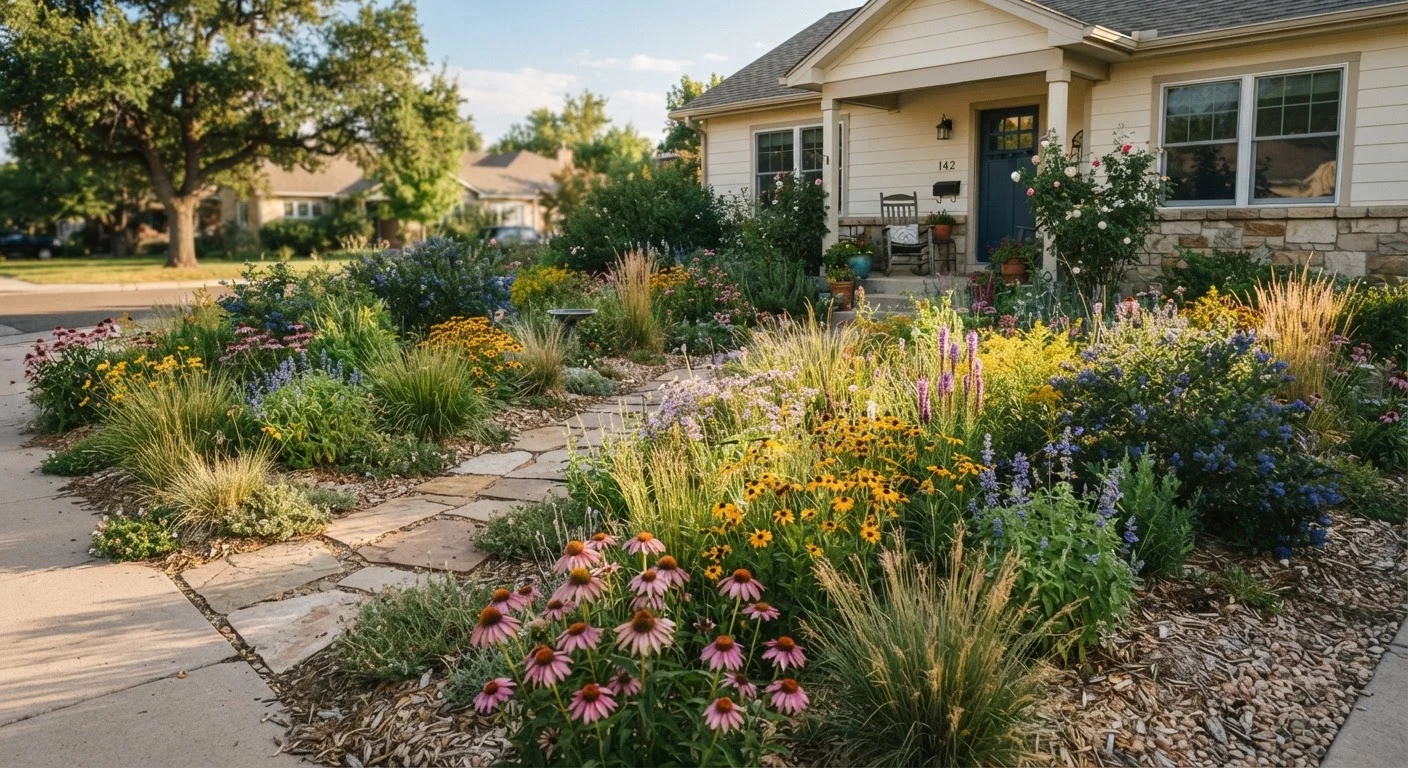
Photo: QuickSearches.net | It Doesn't Get Quicker Than This! editorial
Key Takeaways
- Native plants are adapted to local soils and rainfall, reducing water and fertilizer needs long-term.
- The establishment period-typically one to three years-requires consistent watering and weeding.
- Choosing natives matched to your specific region and microclimate is critical to low-maintenance success.
- Native plantings may face HOA restrictions or local ordinances; check before converting your lawn.
- Wildlife benefits like pollinators and birds are well-documented, adding ecological value to your yard.
Significantly lower water use after establishment
Native plants evolved with local rainfall patterns, making them far more drought-tolerant than conventional turf or non-adapted ornamentals once their root systems are fully developed.
Little to no synthetic fertilizer required
Because natives are adapted to local soil conditions, they generally thrive without the regular fertilizer applications that conventional lawns and exotic plants demand, reducing both cost and runoff.
Strong support for native pollinators and wildlife
Research consistently shows native plantings host significantly more native bee, butterfly, and bird species than conventional landscapes, creating measurable ecological value in residential yards.
Reduced need for pesticides over time
Native plant communities tend to establish natural pest-predator balances, lowering the likelihood of severe pest outbreaks compared to monoculture lawns or non-native plantings.
Long-term cost savings on inputs and labor
Once established, native gardens typically require fewer mowing, irrigation, fertilizing, and chemical treatment cycles, translating to real savings in time and money over a multi-year horizon.
Demanding one-to-three-year establishment period
Native plants need time to develop deep root systems, and during this window they often require more watering and weeding than a conventional lawn-contradicting the low-maintenance promise in the short term.
High weed pressure during early growth
Slow-establishing natives leave soil gaps that weeds exploit aggressively. Without consistent weeding and mulching in year one, a native planting can quickly become overrun.
Regional specificity makes plant selection complex
A plant native to one part of the country may perform poorly just a few hundred miles away. Choosing the wrong regional ecotype is a common and costly mistake for first-time native gardeners.
Potential HOA or municipal code conflicts
Some homeowners associations and local ordinances restrict naturalistic plantings or unmowed areas, even when those plantings are ecologically appropriate. Regulatory conflicts can result in fines or forced removal.
Naturalistic aesthetics not universally accepted
Native meadow and prairie-style plantings look intentionally informal, which can clash with neighborhood norms or personal preferences for a tidier, more manicured appearance.
What 'Native' Actually Means-and Why It Matters
A native plant is one that evolved in a specific region without human introduction. In a lawn and garden context, that usually means plants indigenous to your state or ecoregion-not simply plants native to North America broadly. A prairie coneflower native to Kansas may struggle in coastal Georgia's humid clay soils. Specificity matters.
The ecological argument for natives is well-grounded: these plants have co-evolved with local insects, birds, soil microbes, and rainfall patterns over thousands of years. Research from institutions like the Xerces Society and the Lady Bird Johnson Wildflower Center consistently shows that native plantings support significantly more native bee and butterfly species than conventional ornamental landscapes. That's not just a conservation footnote-it translates to better pollination for any food garden nearby.
For budget-conscious homeowners, the appeal is straightforward: plants that are adapted to your local conditions should, in theory, need less supplemental water, fewer soil amendments, and little to no synthetic fertilizer once they're settled in. The research generally supports this-after establishment. That qualifier is where expectations often go sideways.
The Real Advantages: Where Natives Deliver
Significantly lower water use after establishment
Native plants evolved with local rainfall patterns, making them far more drought-tolerant than conventional turf or non-adapted ornamentals once their root systems are fully developed.
Little to no synthetic fertilizer required
Because natives are adapted to local soil conditions, they generally thrive without the regular fertilizer applications that conventional lawns and exotic plants demand, reducing both cost and runoff.
Strong support for native pollinators and wildlife
Research consistently shows native plantings host significantly more native bee, butterfly, and bird species than conventional landscapes, creating measurable ecological value in residential yards.
Reduced need for pesticides over time
Native plant communities tend to establish natural pest-predator balances, lowering the likelihood of severe pest outbreaks compared to monoculture lawns or non-native plantings.
Long-term cost savings on inputs and labor
Once established, native gardens typically require fewer mowing, irrigation, fertilizing, and chemical treatment cycles, translating to real savings in time and money over a multi-year horizon.
The water savings case for native plants is among the strongest in the research. A study published in the journal Landscape and Urban Planning found that established native landscapes used substantially less irrigation water than conventional turf in water-stressed regions. If you're already questioning your watering habits, see how common watering myths may be compounding costs before and after any landscaping transition.
Native perennials also offer a compounding financial advantage: like other perennials, they return each year without replanting costs. Understanding this dynamic more broadly can help you plan-our look at perennials vs. annuals covers the trade-offs in detail.
The Honest Disadvantages: Where Natives Fall Short of the Hype
Demanding one-to-three-year establishment period
Native plants need time to develop deep root systems, and during this window they often require more watering and weeding than a conventional lawn-contradicting the low-maintenance promise in the short term.
High weed pressure during early growth
Slow-establishing natives leave soil gaps that weeds exploit aggressively. Without consistent weeding and mulching in year one, a native planting can quickly become overrun.
Regional specificity makes plant selection complex
A plant native to one part of the country may perform poorly just a few hundred miles away. Choosing the wrong regional ecotype is a common and costly mistake for first-time native gardeners.
Potential HOA or municipal code conflicts
Some homeowners associations and local ordinances restrict naturalistic plantings or unmowed areas, even when those plantings are ecologically appropriate. Regulatory conflicts can result in fines or forced removal.
Naturalistic aesthetics not universally accepted
Native meadow and prairie-style plantings look intentionally informal, which can clash with neighborhood norms or personal preferences for a tidier, more manicured appearance.
The establishment period is the most commonly underestimated challenge. Most native plants need one to three growing seasons before their root systems are deep enough to access groundwater and handle drought on their own. During that window, they often need more hand-watering than a conventional lawn-not less. Skipping this care leads to failure and wasted money.
Weed pressure is another underreported issue. Native seeds and transplants establish slowly, leaving gaps that opportunistic weeds fill quickly. Consistent weeding in year one is non-negotiable. Mulching heavily-three to four inches of wood chip mulch-helps suppress weeds and retain moisture simultaneously, making it one of the highest-leverage tasks during establishment. Our drought-tolerant yard guide covers mulching strategies in more detail.
Regulatory and Neighborhood Realities
Check Local Rules Before You Plant
Before committing to a native lawn conversion, check two things: your local municipal code and your HOA rules if applicable. Some jurisdictions have "noxious weed" ordinances written broadly enough to encompass unmowed native plantings, even if ecologically sound. A growing number of states have passed "right to garden" or native plant protection laws, but coverage varies widely. Doing this homework before you plant avoids costly disputes later.
If you're considering replacing traditional turf with native ground covers or meadow plantings, it's also worth comparing the physical setup options-our overview of raised beds vs. in-ground planting can help you think through bed structure before you commit to a layout.
Making the Research Work for Your Yard
The single most important action you can take is sourcing plants native to your specific ecoregion, not just your state. Your local cooperative extension office-typically connected to a land-grant university-publishes regionally specific native plant lists that account for soil type, sun exposure, and rainfall. These are free, credible resources that take the guesswork out of species selection.
Start small if you're uncertain. Converting one garden bed to natives gives you a realistic sense of the establishment workload before you commit to a full yard transformation. Observe how plants perform through their first summer drought and their first hard frost. That data is more useful than any general promise about low maintenance.
Pest management in native gardens tends to be more balanced than in conventional landscapes-native plants and their associated insects create feedback loops that reduce outbreaks. For supplemental strategies, non-chemical pest control methods align well with the native gardening philosophy.
Native plants are not a set-it-and-forget-it solution-but the research does support their long-term value for homeowners willing to invest in the transition. Match species carefully, plan for the establishment phase, and the payoff in reduced inputs and ecological richness is genuinely achievable.
The content on this site is provided for informational purposes only and should not be considered a substitute for professional advice. While we strive to provide accurate and up-to-date information, we make no guarantees regarding its completeness or accuracy. Always consult a qualified professional for advice specific to your circumstances before making any decisions