
Getting Organized on a Tight Budget: Affordable Approaches That Actually Work

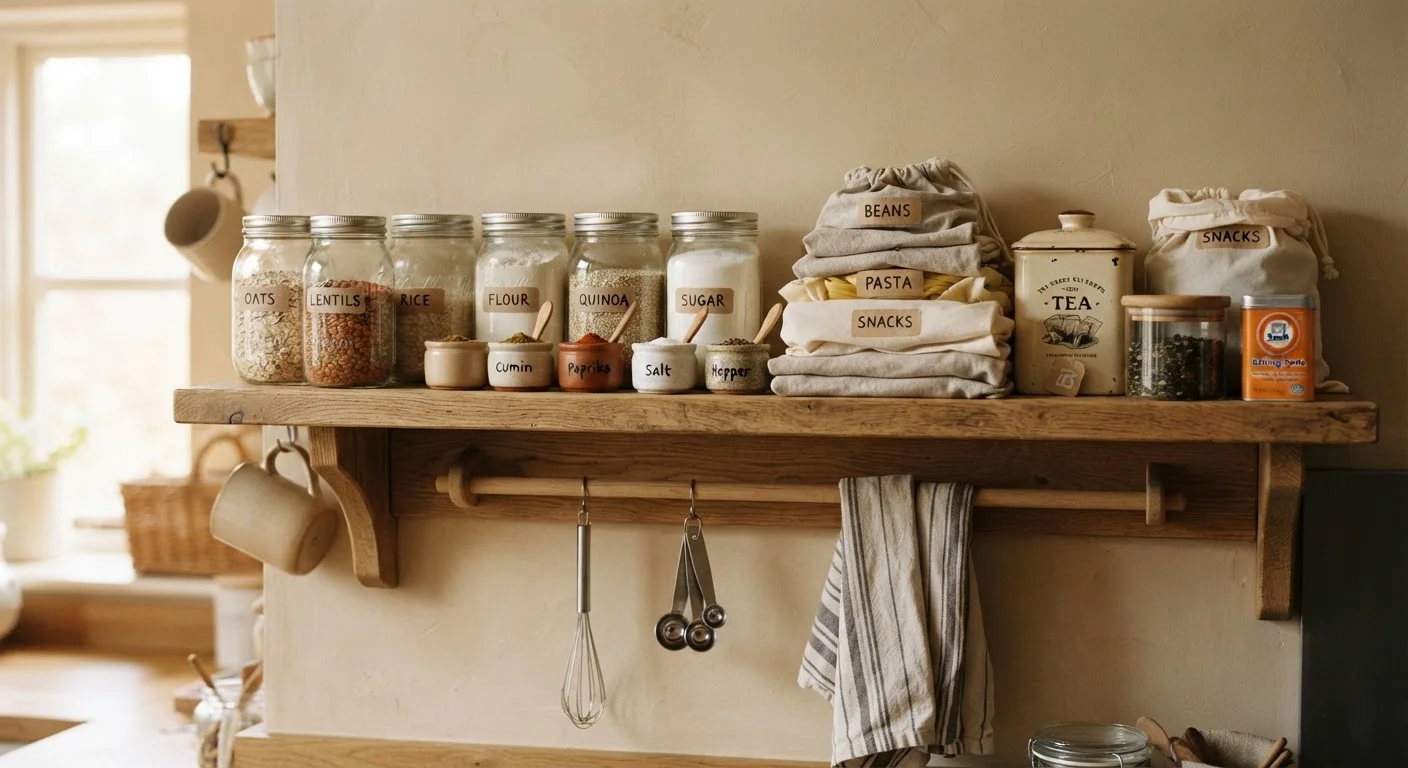
Photo: QuickSearches.net | It Doesn't Get Quicker Than This! editorial
Key Takeaways
- Decluttering before buying any storage tools saves money and prevents wasted purchases.
- Repurposed containers and thrift-store finds can replace expensive organizers without sacrificing function.
- Organizing in small, consistent sessions is more effective than attempting one overwhelming overhaul.
- Labeling and habit-building are free tools that make any organizing system last longer.
- A realistic budget for organizing starts with what you already own.
Why Expensive Organizing Products Aren't the Answer
Walk through any home goods store and it's easy to believe that a matching set of labeled bins is the secret to an organized home. In reality, most organizing problems aren't solved by buying more containers - they're solved by owning less and building better habits. If you're working within a tight budget, that's actually an advantage: it pushes you to think creatively rather than spend reactively.
Before investing a single dollar, it helps to understand what's actually causing the clutter. Often, it's not a lack of storage - it's an excess of items without a designated home. Our guide to common organizing myths breaks down why buying more storage often backfires, and what actually works instead.
Organizing Doesn't Require a Big Spend
Best Practices for Organizing Without Breaking the Budget
The practices below are drawn from the core principles of effective home organization - none of them require a significant financial investment. Whether you're starting from scratch or trying to bring order to a space that's gotten away from you, these approaches build lasting results without the price tag.
Declutter before you buy a single organizing product.
Repurpose what you already own before shopping for new containers.
Shop thrift stores, yard sales, and buy-nothing groups before retail stores.
Tackle one small zone at a time rather than the whole house at once.
Label everything - shelves, bins, drawers, and zones.
Assign a permanent home to every item you decide to keep.
For a deeper look at how to get started when clutter feels completely unmanageable, see Starting from Zero: Your First Steps to an Organized Home.
Quick Wins You Can Do Today
You don't need a free weekend or a full household buy-in to make progress. These immediately actionable steps get results fast - and they cost little to nothing.
When you're ready to think about containers more strategically, Bins, Baskets, and Boxes offers practical guidance on matching container types to specific needs and spaces. And if tight closet space is making organization harder, Small Closet, Big Potential offers targeted strategies for squeezing more function from cramped areas.
Building Habits That Keep Order Without Constant Effort
The most affordable organizing tool of all is a consistent habit. A ten-minute tidy each evening, a rule that nothing gets set on the kitchen counter without being put away, or a monthly pass through one room to catch creeping clutter - these routines cost nothing and prevent the need for future major overhauls.
Shared households benefit most from simple, agreed-upon systems. When everyone knows where things belong and why, maintenance becomes a shared responsibility rather than one person's constant battle. See Shared Spaces, Different Habits for strategies that work even when household members have different standards for tidiness.
Organizing your physical space and your financial life often go hand in hand. If keeping a home in order feels connected to managing money more intentionally, Personal Budgeting: A Complete Guide is a strong next step for building that broader structure.
The content on this site is provided for informational purposes only and should not be considered a substitute for professional advice. While we strive to provide accurate and up-to-date information, we make no guarantees regarding its completeness or accuracy. Always consult a qualified professional for advice specific to your circumstances before making any decisions