
Starting from Zero: Your First Steps to an Organized Home

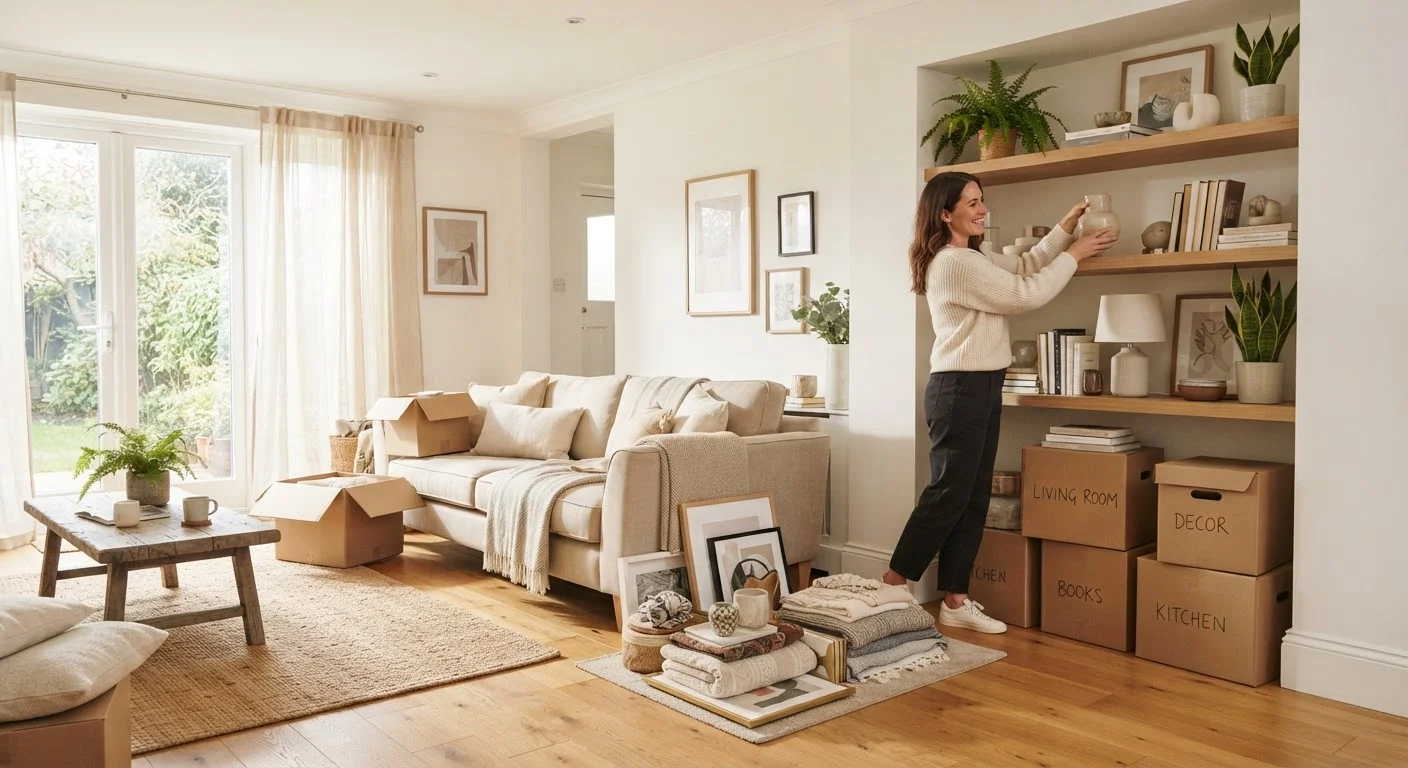
Photo: QuickSearches.net | It Doesn't Get Quicker Than This! editorial
Key Takeaways
- Clutter feels overwhelming because of decision fatigue, not lack of effort or willpower.
- Starting small - one drawer, one shelf - builds momentum faster than tackling a whole room.
- Effective organization is about creating systems, not achieving a perfect aesthetic.
- Maintenance habits are more important than any single big clean-out session.
- You don't need expensive storage products to get meaningfully organized.
Why Starting Feels So Hard
If you've looked around your home and felt paralyzed - unsure where to even begin - you're not alone, and it's not a character flaw. Clutter is mentally taxing because every item represents an unresolved decision. When there are hundreds of those decisions stacked on top of each other, the brain defaults to avoidance. That's not laziness; that's a predictable response to cognitive overload.
Another common trap is all-or-nothing thinking: the belief that organizing is only worth doing if you can do it completely and perfectly. That mindset keeps most people stuck indefinitely. The good news is that even small, imperfect progress creates real change - both in your space and in how manageable the rest of the project feels.
Progress Looks Different for Everyone
The Right Mindset Before You Touch Anything
Before you move a single item, it helps to get clear on what you're actually trying to achieve. Organization isn't about making your home look like a magazine spread - it's about making your daily life function more smoothly. Ask yourself: Which parts of my home cause me the most daily friction? That answer, not aesthetics, should guide where you start.
It's also worth understanding a common myth upfront: more storage is not the solution to clutter. Adding bins and shelves to an overstuffed space just hides the problem temporarily. True organization begins with reducing what you own to what you genuinely use and value - and only then finding a logical home for what remains. For a deeper look at beliefs that tend to backfire, see common home organization myths worth reconsidering.
Decluttering
The process of removing items from your home that you no longer use, need, or value. It always comes before organizing.
Designated home
A specific, consistent location where a particular item is always stored and always returned to after use.
Decision fatigue
The mental exhaustion that comes from making too many choices in a row, which makes it harder to keep making good decisions - a key reason clutter feels so overwhelming.
Organizing system
A repeatable method for storing and retrieving items so they stay in order over time, rather than just arranging things neatly once.
Maintenance habit
A small, routine action - like a nightly reset or putting things back after use - that prevents clutter from rebuilding after you've organized a space.
Your First Organizing Session: A Simple Framework
Pick one small, defined area - not a room, but a zone within a room. A junk drawer, the top of a dresser, or a bathroom cabinet shelf are ideal starting points. Set a timer for 30 minutes and work only within that space.
- Empty it completely. Remove every item and place it on a flat surface where you can see everything at once.
- Sort into categories. Group like items together - you'll often discover duplicates and things that clearly don't belong.
- Make keep/donate/discard decisions. For each item, ask: Do I use this? Would I buy it again? If the answer is no, it goes.
- Return only what you're keeping. Place items back intentionally, with the things you reach for most in the easiest-to-access spots.
- Deal with donations immediately. Put them in a bag and move them to your car or a designated drop-off spot - don't let them linger.
Don't buy any organizing products during this first session. Wait until you've worked through several areas so you understand your actual storage needs. When you're ready to organize on a limited budget, affordable organizing approaches can help you avoid overspending on products you don't need.
Start With a 'Clutter Hot Spot'
Building Habits That Actually Stick
A single organizing session - even a great one - won't keep your home orderly long-term. What makes the difference is a handful of low-effort daily habits that prevent clutter from rebuilding. The most effective ones are simple: put things back where they belong after use, do a five-minute reset before bed, and pause before bringing new items into your home.
The goal is to make tidiness the path of least resistance, not an act of willpower. That means every item you decide to keep needs a designated home - a specific spot it always returns to. When something doesn't have a home, it becomes clutter by default.
Keep in mind that most organized spaces eventually fall apart, and that's normal. Understanding why that happens is just as important as the initial effort. Why organized spaces fall apart explores the root causes and how to build systems designed to hold.
Where to Go From Here
Once you've completed a few smaller zones and feel some momentum, you're ready to think bigger. Moving through each room systematically - rather than randomly - keeps the process manageable and measurable. A room-by-room decluttering checklist gives you a structured path through every space in your home without having to figure out the sequence yourself.
For a comprehensive reference you can return to at every stage - from first declutter through long-term maintenance - The Complete Home Organization Playbook covers every room and system in detail. You don't have to tackle it all at once. The most important step is always the next one - even if it's just one drawer.
Room-by-Room Decluttering Checklist
A structured, actionable checklist for working through every room in your home systematically. Useful once you've completed your first small zones and are ready to scale up.
The Complete Home Organization Playbook
A comprehensive reference covering organization principles, systems, and maintenance habits for every room and stage of the process - from first-time organizer to long-term upkeep.
Getting Organized on a Tight Budget
Practical strategies for building lasting home organization without spending much money, including how to use what you already own before buying anything new.
Frequently Asked Questions
The content on this site is provided for informational purposes only and should not be considered a substitute for professional advice. While we strive to provide accurate and up-to-date information, we make no guarantees regarding its completeness or accuracy. Always consult a qualified professional for advice specific to your circumstances before making any decisions