
Building a More Balanced Plate Without Overhauling Your Routine

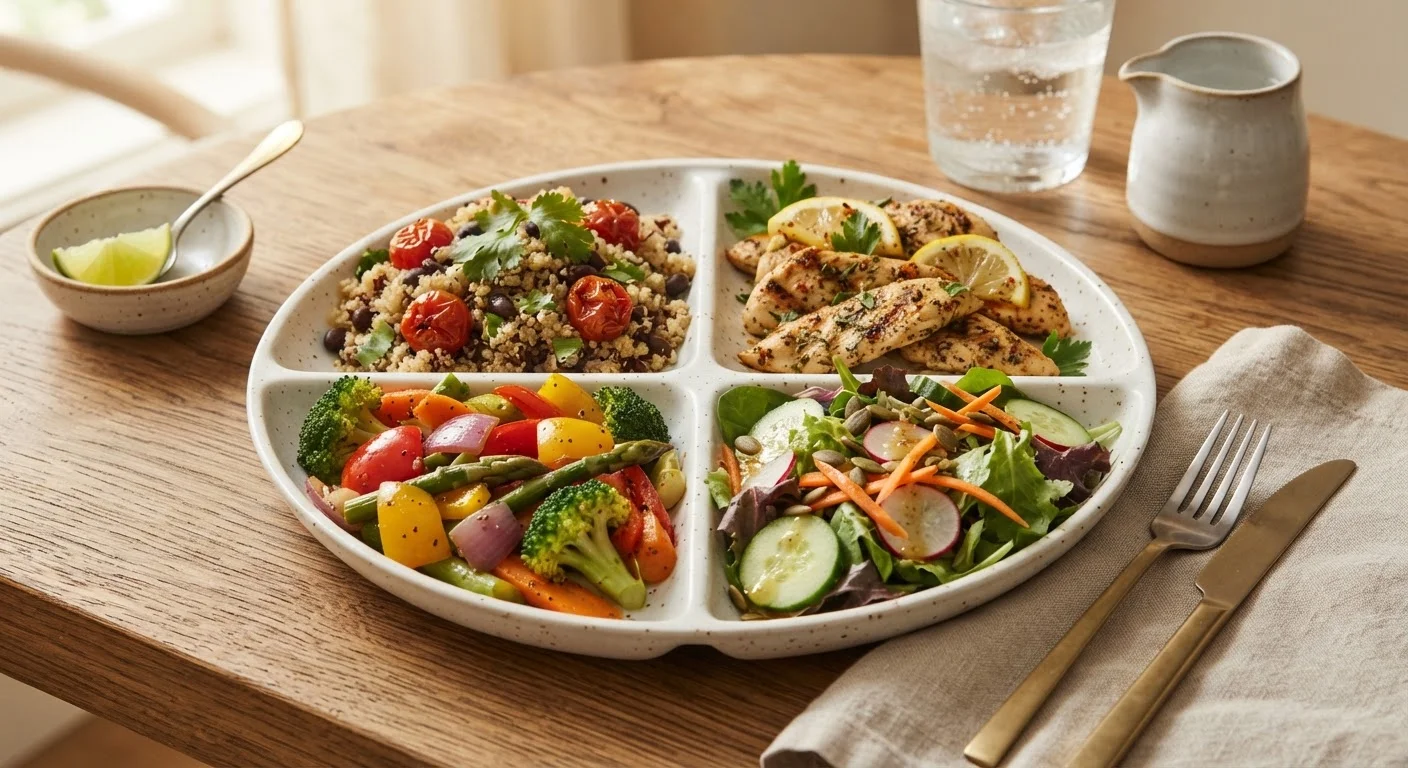
Photo: QuickSearches.net | It Doesn't Get Quicker Than This! editorial
Key Takeaways
- Balancing your plate doesn't require a complete diet overhaul - small, consistent adjustments matter most.
- Filling half your plate with vegetables and fruit is one of the most evidence-supported nutrition strategies available.
- Protein, fiber, and healthy fats work together to support satiety and steady energy throughout the day.
- Understanding basic nutrition principles helps you make smarter choices without rigid rules or strict meal plans.
- Consulting a registered dietitian is the best way to tailor nutrition guidance to your personal health needs.
Why "Eating Better" Feels Harder Than It Should
Nutrition advice in the United States often arrives packaged as an all-or-nothing proposition: eliminate entire food groups, commit to a strict protocol, or start over from scratch. It's little wonder that many people feel overwhelmed before they even begin. The good news is that basic nutrition science doesn't actually require dramatic change - it rewards consistency and gradual improvement far more than perfection.
If you're new to thinking critically about what you eat, our beginner's guide to core nutrition concepts is a useful starting point. For everyone else, the practices below translate established nutrition principles into realistic, everyday habits that don't demand you reinvent your kitchen or your schedule.
This article provides general nutrition information and education. It is not a substitute for personalized advice from a qualified healthcare professional or registered dietitian.
Core Practices for a More Balanced Plate
These practices are grounded in widely accepted dietary guidance - including frameworks from organizations like the U.S. Department of Agriculture and the American Heart Association - and are designed to be approachable regardless of your starting point.
Fill roughly half your plate with non-starchy vegetables or fruit at most meals.
Include a source of protein at every meal.
Choose whole or minimally processed grain options more often than refined ones.
Incorporate sources of unsaturated fat regularly while being mindful of overall fat quality.
Drink water as your primary beverage and limit sugar-sweetened drinks.
Quick Wins You Can Start Today
You don't need a meal plan, a pantry overhaul, or a nutrition degree to take a meaningful step forward. The following actions are small enough to try at your very next meal, yet evidence-backed enough to create real momentum.
Nutrition also doesn't exist in isolation. Stress, sleep, and physical activity all influence how your body uses the food you eat. Pairing better eating habits with a sustainable movement routine and a stress-management practice tends to produce more lasting results than any single change alone.
Common Stumbling Blocks - and How to Think About Them
Even straightforward nutrition goals run into real-life friction. Here are a few recurring challenges and practical ways to reframe them.
- Budget constraints
- Whole foods don't have to be expensive. Dried legumes, frozen vegetables, canned fish, eggs, and oats are among the most nutrient-dense foods available and are consistently affordable. If you're navigating food choices away from home, strategies for eating well on a budget apply beyond travel situations too.
- Confusion about protein
- Protein needs can be met across a wide range of eating patterns. Whether you eat meat, dairy, or follow a plant-based diet, understanding your options matters. See our comparison of protein sources across different eating patterns for a straightforward breakdown.
- Conflicting information
- A great deal of popular nutrition advice is either outdated or exaggerated. If you've heard that fat causes weight gain or that all carbohydrates are harmful, it's worth reviewing what the evidence actually shows. Our article on persistent nutrition myths addresses the most common misconceptions directly.
When to Talk to a Professional
The content on this site is provided for informational purposes only and should not be considered a substitute for professional advice. While we strive to provide accurate and up-to-date information, we make no guarantees regarding its completeness or accuracy. Always consult a qualified professional for advice specific to your circumstances before making any decisions