
Building a Personal Stress-Management Routine From Scratch

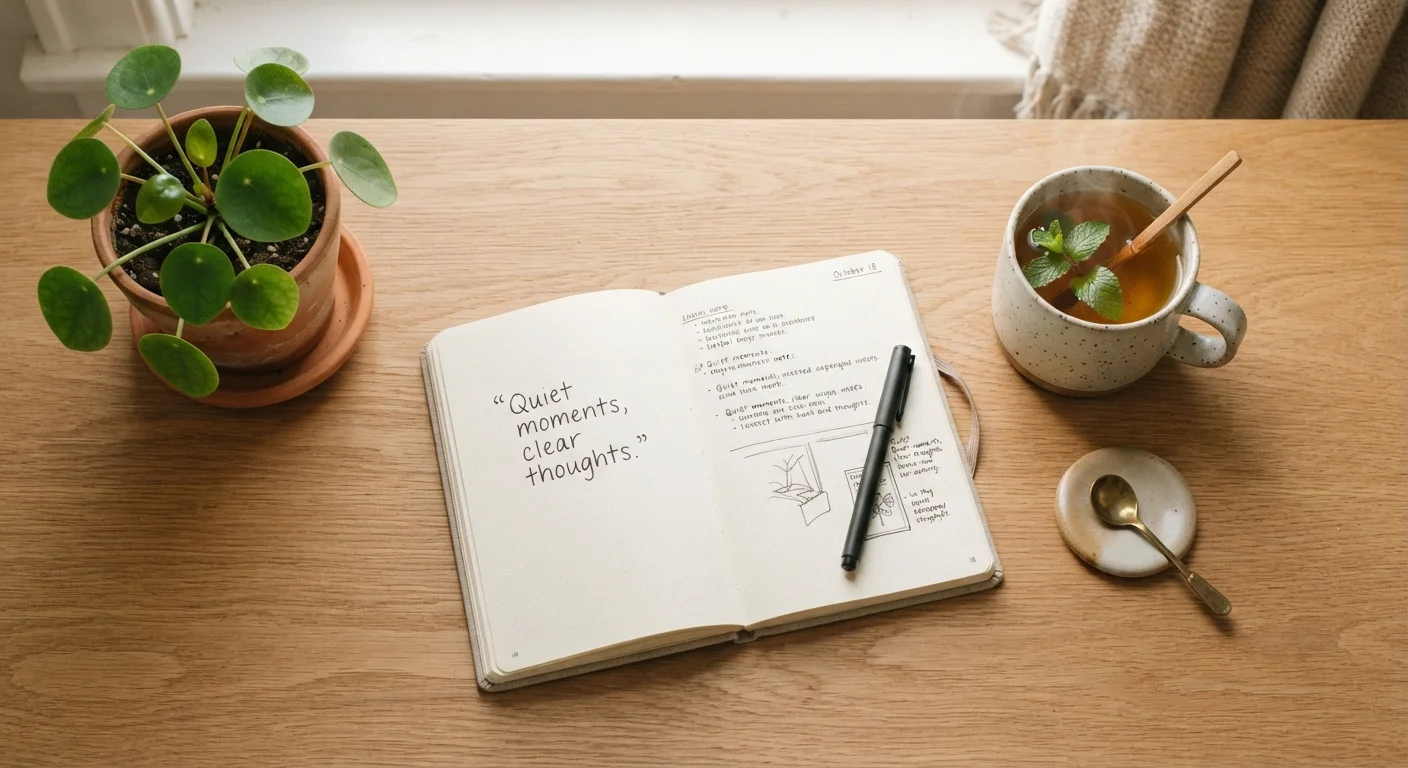
Photo: QuickSearches.net | It Doesn't Get Quicker Than This! editorial
Key Takeaways
- Identifying your personal stress triggers is the essential first step before building any routine.
- Effective stress management combines proactive daily habits with responsive coping strategies.
- Small, consistent practices tend to outperform occasional intensive efforts over time.
- Movement, sleep, and social connection all play evidence-supported roles in stress regulation.
- A routine should evolve as your circumstances change - flexibility is a feature, not a flaw.
Why Generic Stress Advice Often Fails
Stress management advice is abundant - and most of it is too vague to be useful. "Practice self-care" and "reduce your stress" are not actionable. What's missing from most recommendations is acknowledgment that stress is highly individual: its triggers, its physical expression, and the strategies that relieve it vary significantly from person to person.
A routine built on your actual patterns, schedule, and preferences is far more likely to hold up than one assembled from a trending wellness list. That's the core premise here. The steps that follow are a framework for building something that genuinely fits your life - not a prescription to adopt wholesale.
What you will need
Notebook or journal
Used to track triggers, emotional patterns, and reflect on what strategies are working.
Smartphone timer or alarm
Helps schedule and protect time blocks for stress-management practices throughout the day.
Free meditation or breathing app
Provides guided breathing or relaxation exercises, useful for beginners without prior practice.
Calendar or planner
Allows you to map your weekly schedule and identify realistic windows for routine activities.
How to Build and Sustain Your Routine
Follow these steps in order the first time through. After your initial setup, the process becomes a loop: observe, adjust, and refine as your circumstances evolve. Life changes - so should your routine.
Map Your Stress Triggers and Patterns
Before building any routine, spend three to five days simply observing when and why stress arises. Note the time of day, the situation, who was involved, and how your body responded - tight chest, racing thoughts, irritability, fatigue. This is your baseline data.
Look for clusters: Is most of your stress work-related and concentrated before noon? Does it spike on Sunday evenings? Recognizing patterns lets you target your routine where it actually matters rather than applying generic advice.
Audit Your Current Coping Behaviors
List what you already do when stressed - scrolling your phone, eating, calling a friend, going for a walk, venting, withdrawing. Without judgment, categorize each as restorative (leaves you feeling better afterward) or avoidant (provides brief relief but doesn't resolve the stressor).
The goal isn't to eliminate avoidant behaviors entirely but to ensure restorative ones are accessible and practiced regularly. Your new routine will build on what's already working while gently replacing the habits that leave you worse off.
Choose a Small Set of Evidence-Supported Practices
Research from public health and psychology consistently supports several broad categories of stress management: physical movement, quality sleep, controlled breathing or relaxation techniques, social connection, and reflective practices such as journaling. You don't need all of them - you need the ones that fit your life.
Cross-reference your trigger map with these categories. If your stress is primarily physical tension, breathing exercises and movement may offer the most direct relief. If it's rumination-driven, a journaling practice or structured reflection time may be more effective.
Assign Practices to Specific Time Slots
A practice without a scheduled place in your day is aspirational, not a routine. Open your calendar and identify two or three realistic windows - morning, midday, and evening are common anchors. Assign one practice to each window based on what fits the context.
For example: a five-minute breathing exercise when you sit down at your desk in the morning; a ten-minute walk at lunch; a brief journaling session before bed. Specificity matters more than duration. A three-minute consistent habit beats an hour-long practice you never actually do.
Build In a Weekly Review
Set aside ten to fifteen minutes each week - Friday evening or Sunday morning work well for many people - to assess what's actually helping. Ask yourself: Which practices did I complete? Did my stress feel more manageable this week? What got in the way?
Adjust without self-criticism. Dropping a practice that isn't working isn't failure; it's evidence-based iteration. The end-of-week mental reset checklist can provide useful structure for this reflection. Over time, small daily habits compound into meaningful emotional resilience.
Start With Two Anchors, Not Ten
This Is Not a Substitute for Professional Care
For readers whose stress intersects with lifestyle factors like screen time, the article on digital detoxing offers an honest look at how reducing device use fits into a broader stress strategy. Similarly, nutrition plays a supporting role in mood regulation - see our overview of building a more balanced plate for accessible, practical guidance.
Avoid Copying Someone Else's Routine Wholesale
This article is for general informational and educational purposes only and does not constitute medical or mental health advice. Always consult a qualified healthcare professional regarding concerns about your mental or physical health.
The content on this site is provided for informational purposes only and should not be considered a substitute for professional advice. While we strive to provide accurate and up-to-date information, we make no guarantees regarding its completeness or accuracy. Always consult a qualified professional for advice specific to your circumstances before making any decisions