
Eating Well on the Road Without Wrecking Your Budget

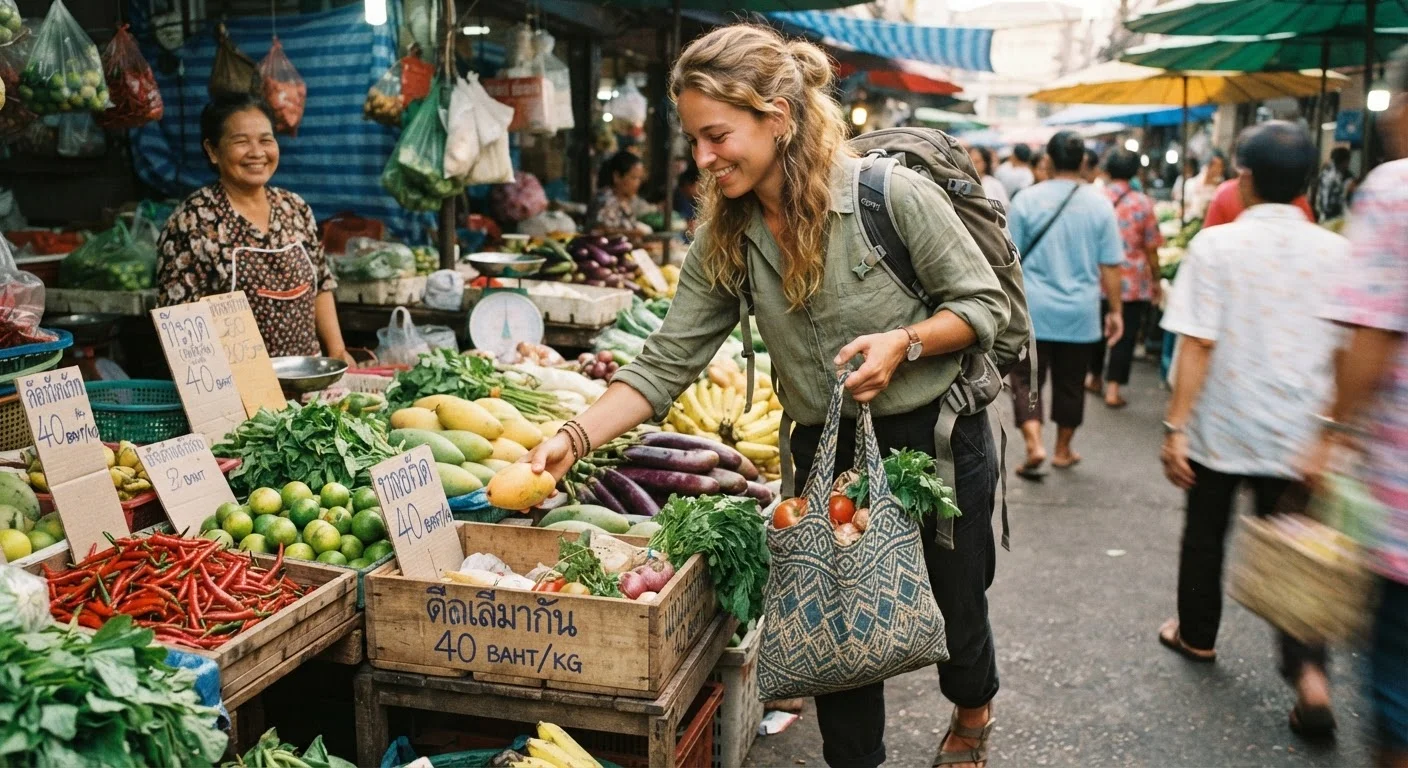
Photo: QuickSearches.net | It Doesn't Get Quicker Than This! editorial
Key Takeaways
- Grocery stores and local markets consistently offer better value than tourist-area restaurants.
- Eating one restaurant meal per day instead of three can cut daily food costs by half or more.
- Reading a menu strategically - lunch specials, set menus, and lunch vs. dinner pricing - saves real money.
- Packing portable snacks reduces impulse spending at airports, rest stops, and tourist sites.
- Knowing where locals eat is the single most reliable way to find good, affordable food anywhere.
Why Food Spending Gets Away From Travelers
Food is one of the most underestimated expenses in any travel budget. Most people estimate airfare and lodging carefully, then leave meals as a vague "we'll figure it out" line item. That's where budgets quietly collapse. Convenience pricing at airports, tourist-trap menus in high-traffic neighborhoods, and the constant temptation of snacks and drinks on the move add up fast - often to $60-$100 per person per day without much to show for it.
The good news is that eating well on the road doesn't require deprivation. It requires a small amount of planning and a willingness to eat where the locals eat. If you're still building the foundation for budget travel overall, this first-timer's guide covers the mindset and logistics that make everything else easier.
Shop at grocery stores and local markets for at least one meal per day.
Eat your main restaurant meal at lunch rather than dinner.
Pack portable snacks before leaving your accommodation each day.
Ask accommodation staff or locals - not concierges at upscale hotels - where they actually eat.
Read menus from the inside out - look at what's available before choosing where to sit.
Use a refillable water bottle and avoid buying bottled water where tap water is safe.
Core Practices for Keeping Meals Affordable
These aren't tricks - they're habits that experienced budget travelers use consistently across domestic and international trips alike. Whether you're navigating a road trip or visiting a new city, these approaches apply.
For a deeper look at how food costs fit into your overall trip spending plan, see how to build a travel budget that holds up.
Eating Smart Without Sacrificing the Experience
Budget eating doesn't mean skipping the memorable meals. It means being intentional. Pick one restaurant meal per day - ideally dinner at a place recommended by locals or a reputable local publication - and handle breakfast and lunch more economically. Many destinations have extraordinary street food, bakeries, or market stalls where $5-$10 buys a genuinely satisfying meal.
When eating abroad, food and water safety matter as much as cost. Read up on what travelers consistently get wrong about food and water safety before your trip. And if you want to keep eating reasonably balanced while away from your kitchen, building a more balanced plate without overhauling your routine offers useful, low-friction guidance.
~30%
Average share of travel budget spent on food
Industry travel surveys consistently estimate that food and drink account for roughly a quarter to a third of total trip spending for leisure travelers.
2-3x
Price markup at airport food vendors vs. street-level
Consumer research on travel spending finds airport and transit hub food outlets typically charge two to three times more than equivalent items outside the terminal.
Pairing smart food spending with free or low-cost activities compounds the savings quickly. Free and low-cost things to do in any new city is worth reading before you finalize your itinerary.
This article is for general informational purposes only. Prices, availability, and local conditions vary and can change. Always verify entry requirements, local health guidance, and safety conditions through official government and provider sources before traveling.
The content on this site is provided for informational purposes only and should not be considered a substitute for professional advice. While we strive to provide accurate and up-to-date information, we make no guarantees regarding its completeness or accuracy. Always consult a qualified professional for advice specific to your circumstances before making any decisions