
Building a Weekly Movement Routine That Actually Holds Up

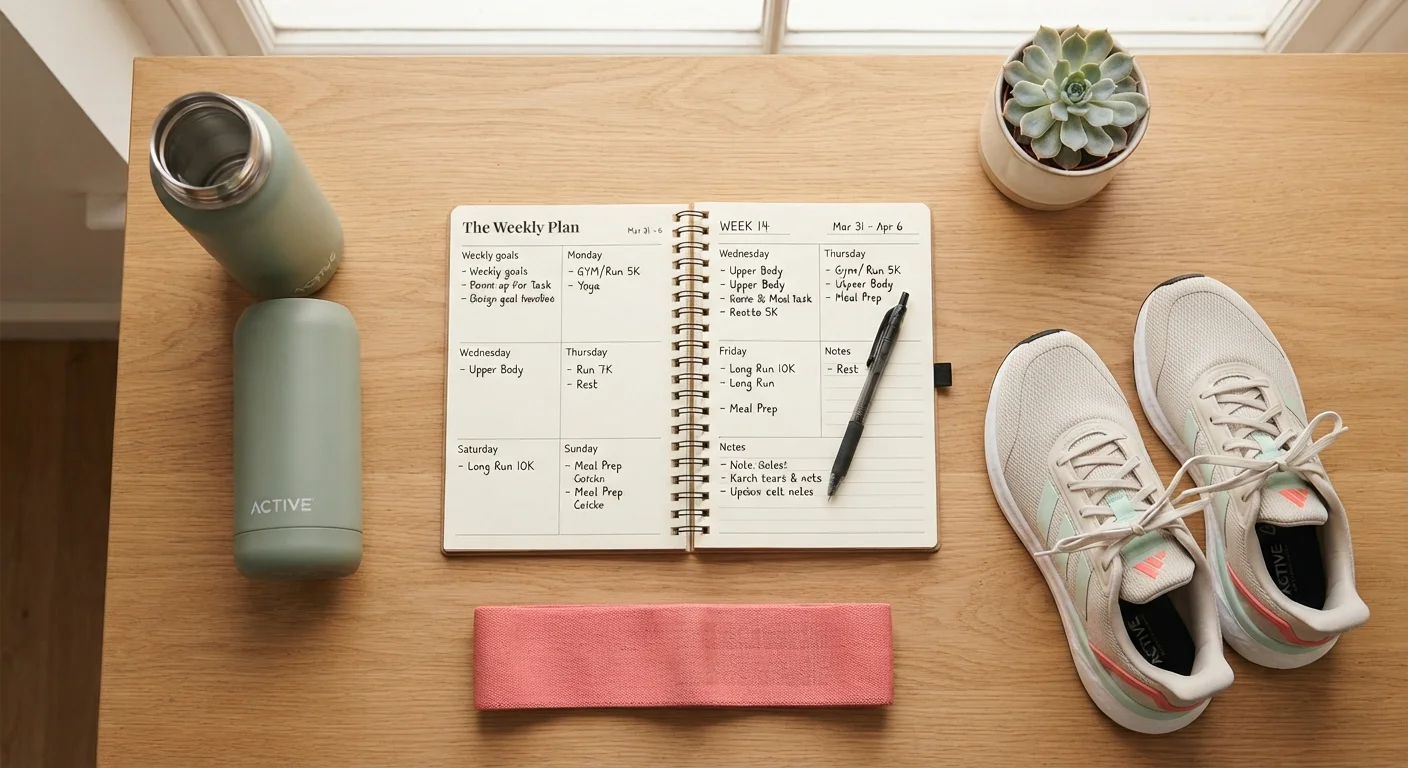
Photo: QuickSearches.net | It Doesn't Get Quicker Than This! editorial
Key Takeaways
- A balanced weekly routine includes cardiovascular, strength, and flexibility work spread across the week.
- Rest days are not optional - they are where physical adaptation and recovery actually happen.
- Building in flexible "buffer" slots helps your routine survive real-life disruptions.
- Starting with two to three structured sessions per week is more sustainable than starting with six.
- Movement outside formal workouts contributes meaningfully to overall health and weekly activity totals.
Why Most Workout Plans Break Down
The most common reason people abandon exercise routines is not lack of motivation - it is poor structure. Plans that ignore real-life variability, underestimate recovery needs, or demand too much too soon set people up for inevitable gaps that feel like personal failure. A better approach treats your weekly movement routine the same way you would treat any other sustainable system: practical, flexible, and built around what you actually have, not an idealized version of your life.
Movement is also broader than most people assume. Formal gym sessions are one piece of a larger picture. The activity you accumulate throughout the day - walking, household tasks, taking stairs - contributes meaningfully to your overall health. Understanding this can take pressure off any single workout. For more on that topic, see our piece on what non-exercise activity actually contributes.
Talk to Your Doctor Before Starting
What You Need Before You Start
Building a routine requires a few basics - not equipment or a gym membership, but honest self-knowledge and a simple planning tool.
What you will need
Weekly planner or calendar app
Used to block out specific workout slots and identify buffer days in advance.
Resistance bands or light dumbbells
Provide low-cost strength training options that work in small spaces at home.
Fitness tracking app or simple notebook
Helps you log completed sessions and spot patterns in your consistency over time.
Supportive athletic footwear
Reduces injury risk during walking, running, or strength training sessions.
How to Build Your Weekly Plan
Follow these steps in order. Each one builds on the last, and skipping ahead - particularly past the rest and buffer scheduling steps - is where most plans begin to unravel.
Audit Your Current Week
Before scheduling anything, look honestly at a typical week. Identify windows of 20-45 minutes where you realistically have energy and availability - not just open calendar time. Morning, lunch break, and early evening are common anchor points. Note days that are consistently high-stress or logistically packed, as these are poor candidates for demanding workouts.
Choose a Realistic Session Frequency
Aim for two to four structured movement sessions per week if you are just getting started or returning after a break. Public health guidelines from organizations like the CDC generally recommend at least 150 minutes of moderate-intensity activity per week for adults, but reaching that target gradually is safer and more sustainable than jumping there immediately. Consistency over weeks matters far more than intensity in any single session.
Map Out Activity Types Across the Week
A well-balanced weekly plan typically includes three broad categories:
- Cardiovascular activity - walking, cycling, swimming, or similar sustained movement
- Strength or resistance work - bodyweight exercises, resistance bands, or weights
- Flexibility or recovery movement - stretching, yoga, or light mobility work
You do not need a separate day for each category. A single session can combine elements. The goal is to ensure that over the course of a week, all three types are represented.
Schedule Explicit Rest or Active Recovery Days
Rest is not a gap in your plan - it is part of the plan. Muscle repair, adaptation, and energy replenishment happen during recovery. Schedule at least one to two full rest days or active recovery days (gentle walking, light stretching) per week. Mark these in your calendar just as you would a workout, so they are protected rather than filled in reactively.
Add One Buffer Slot Per Week
Life disrupts schedules. A buffer slot is one loosely held time block - perhaps a weekend morning - that you can use to complete a missed session or simply enjoy as extra rest. Knowing the buffer exists reduces the all-or-nothing thinking that causes people to abandon routines after a single missed day.
Review and Adjust After Two Weeks
After two full weeks, look at what you actually completed versus what you planned. If you consistently skipped a particular day or type of activity, that is useful data - not a failure. Adjust the schedule to fit your real patterns rather than forcing compliance with the original plan. Sustainable routines evolve through iteration, not rigid adherence.
Don't Skip Recovery to Catch Up
Connecting Movement to Your Broader Wellness Routine
Physical movement and mental well-being are closely linked. Regular activity is associated with reduced stress and improved mood, which means your movement routine and your stress-management practices work better together than either does alone. If you are also building mental wellness habits, our article on building a personal stress-management routine from scratch offers a complementary framework.
Movement Doesn't Have to Mean the Gym
Similarly, how you eat shapes how you recover and perform. If you want to refine your nutrition without overhauling your diet, building a more balanced plate without overhauling your routine offers practical starting points that pair well with a new movement practice.
This article is for general informational and educational purposes only and does not constitute medical advice. Always consult a qualified healthcare professional before beginning any new exercise program, particularly if you have existing health conditions or concerns.
The content on this site is provided for informational purposes only and should not be considered a substitute for professional advice. While we strive to provide accurate and up-to-date information, we make no guarantees regarding its completeness or accuracy. Always consult a qualified professional for advice specific to your circumstances before making any decisions