
Protein Sources Across Different Eating Patterns

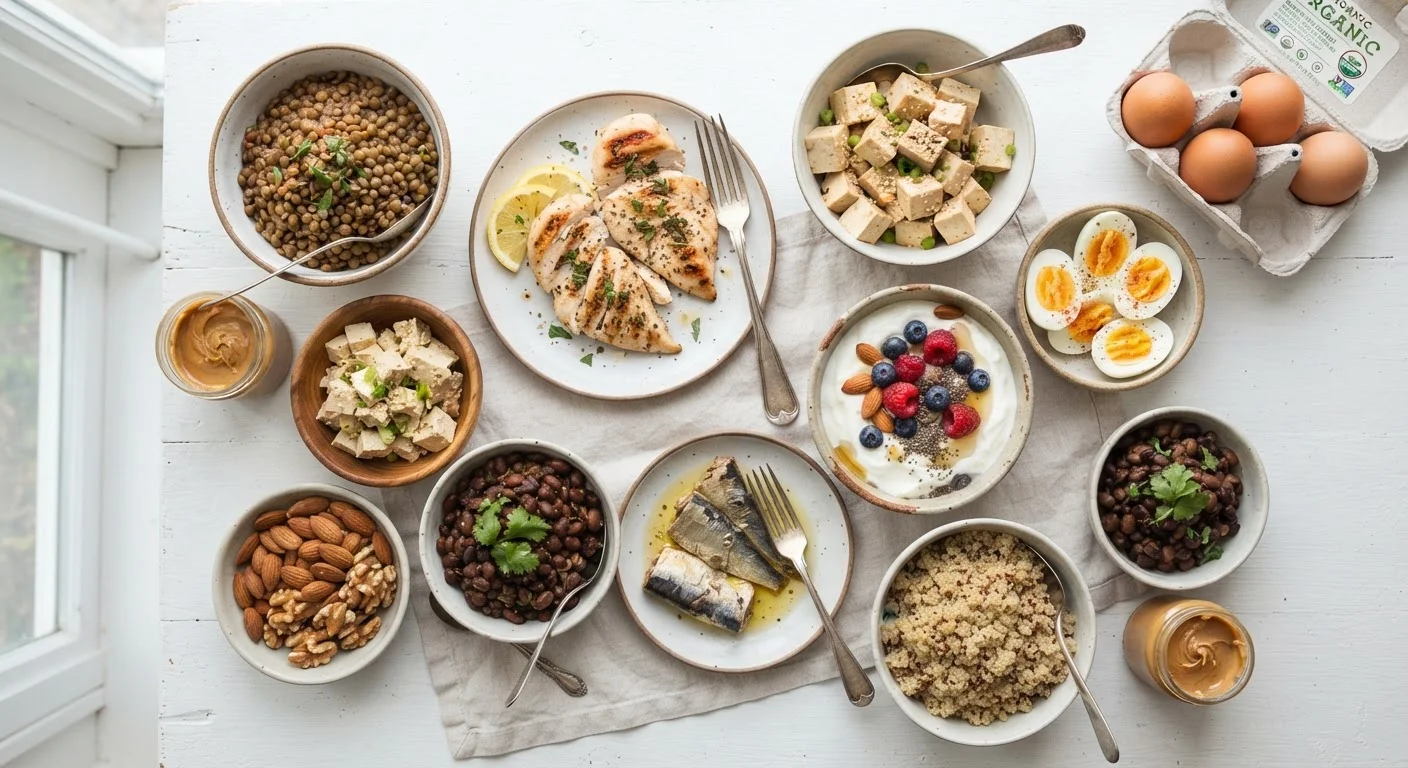
Photo: QuickSearches.net | It Doesn't Get Quicker Than This! editorial
Key Takeaways
- Protein is essential for building and repairing tissue, and it comes from both animal and plant sources.
- Animal proteins are generally 'complete,' containing all essential amino acids; most plant proteins are not, but combining foods addresses this.
- Legumes, soy foods, and dairy are among the most nutrient-dense, cost-effective protein options regardless of eating pattern.
- No single eating pattern has a monopoly on adequate protein - variety and planning matter more than the category.
- Always consult a qualified healthcare professional or registered dietitian for personalized nutrition guidance.
Why Protein Source Matters
Protein is one of three macronutrients your body depends on daily. As explained in our guide to macronutrients, protein supports muscle repair, immune function, enzyme production, and dozens of other biological processes. But not all protein foods are identical - they differ in amino acid profile, digestibility, cost, and the additional nutrients they deliver alongside the protein itself.
Proteins are made of amino acids. Nine of these are considered essential, meaning the body cannot make them and must get them from food. A food that contains all nine in adequate amounts is called a complete protein. Most animal-based foods qualify; most individual plant foods do not - though this is easily managed with variety, which we'll cover below.
You Don't Have to Eat All Amino Acids at Once
Animal-Based Protein Sources
For omnivores and pescatarians, animal proteins are workhorses of the diet. Here's how the main categories compare:
- Poultry and lean meats: Chicken breast, turkey, and lean cuts of beef or pork deliver high protein per ounce with complete amino acid profiles. They're widely available and relatively affordable, especially when bought in bulk or as less-popular cuts.
- Eggs: Often cited by nutrition researchers as a reference protein for bioavailability, eggs are inexpensive, versatile, and contain additional choline and B vitamins. They're a practical staple across many budgets.
- Dairy (milk, Greek yogurt, cottage cheese): Dairy provides both whey and casein - two protein types with different digestion rates - along with calcium and vitamin D. Greek yogurt and cottage cheese are particularly protein-dense options.
- Fish and shellfish: Fatty fish like salmon and sardines combine complete protein with omega-3 fatty acids. Canned varieties (tuna, salmon, sardines) are among the most cost-effective protein sources available in American grocery stores.
| Omnivore (Meat/Poultry) | Pescatarian (Fish/Eggs/Dairy) | Vegetarian (Eggs/Dairy) | Vegan (Plants Only) | |
|---|---|---|---|---|
| Complete protein availability | Readily available | Readily available | Readily available | Requires food combining or soy/hemp |
| Cost-effective options | Eggs, canned meat, bulk poultry | Canned fish, eggs, dairy | Eggs, dairy, legumes | Dried lentils, beans, tofu |
| Fiber content | Low from protein foods | Low from protein foods | Low-moderate (add legumes) | High from legumes and grains |
| Key micronutrients from protein sources | Iron, zinc, B12 | Omega-3s, iodine, B12 | Calcium, B12, choline | Iron, folate (lower B12) |
| B12 without supplementation | Easily met | Easily met | Met via dairy and eggs | Requires fortified foods or supplement |
| Planning effort required | Low | Low-moderate | Moderate | Higher - variety is key |
Plant-Based Protein Sources
Plant proteins have grown significantly in both research attention and consumer popularity. For those newer to nutrition basics, our beginner's nutrition guide provides helpful foundational context.
- Soy foods (tofu, tempeh, edamame): Soy is one of the few plant sources that qualifies as a complete protein. Tempeh also delivers probiotics and is one of the most protein-dense plant options gram-for-gram.
- Legumes (lentils, chickpeas, black beans): Affordable, shelf-stable, and high in fiber. Legumes are lower in the amino acid methionine, but pairing them with grains across the day compensates effectively.
- Seitan (wheat gluten): Very high in protein, but unsuitable for those with celiac disease or gluten sensitivity. Worth noting as a meat-texture alternative.
- Whole grains, nuts, and seeds: These contribute meaningful protein to the overall daily total. Hemp seeds and quinoa stand out for containing all essential amino acids.
A persistent myth is that vegans and vegetarians cannot get enough protein. Research generally does not support this concern when overall calorie intake is adequate and food variety is maintained. For practical ways to apply this to real meals, see our article on building a more balanced plate.
What to Consider When Comparing Sources
Beyond amino acid completeness, a few other factors are worth weighing when thinking about your own eating pattern:
- Bioavailability
- How much of the protein in a food your body can actually absorb and use. Animal proteins generally score higher on digestibility measures, though well-prepared legumes and soy foods score reasonably well too.
- Accompanying nutrients
- Red meat comes with iron and zinc; fatty fish brings omega-3s; dairy offers calcium; beans deliver fiber and folate. These co-nutrients matter for overall dietary quality.
- Cost and accessibility
- Eggs, canned fish, dried lentils, and dried beans represent some of the lowest cost-per-gram-of-protein options in any grocery store. Fresh meat and specialty plant products (protein powders, meat alternatives) tend to cost more.
- Saturated fat content
- Some animal proteins - particularly processed meats and fatty cuts - carry higher saturated fat. Lean meats, fish, poultry, eggs, and low-fat dairy are generally lower in this regard.
This article is for general informational purposes only and does not constitute medical or dietary advice. For guidance tailored to your individual health needs, consult a registered dietitian or qualified healthcare professional.
The content on this site is provided for informational purposes only and should not be considered a substitute for professional advice. While we strive to provide accurate and up-to-date information, we make no guarantees regarding its completeness or accuracy. Always consult a qualified professional for advice specific to your circumstances before making any decisions