
Seasonal Car Care: What to Check Before Winter and Summer

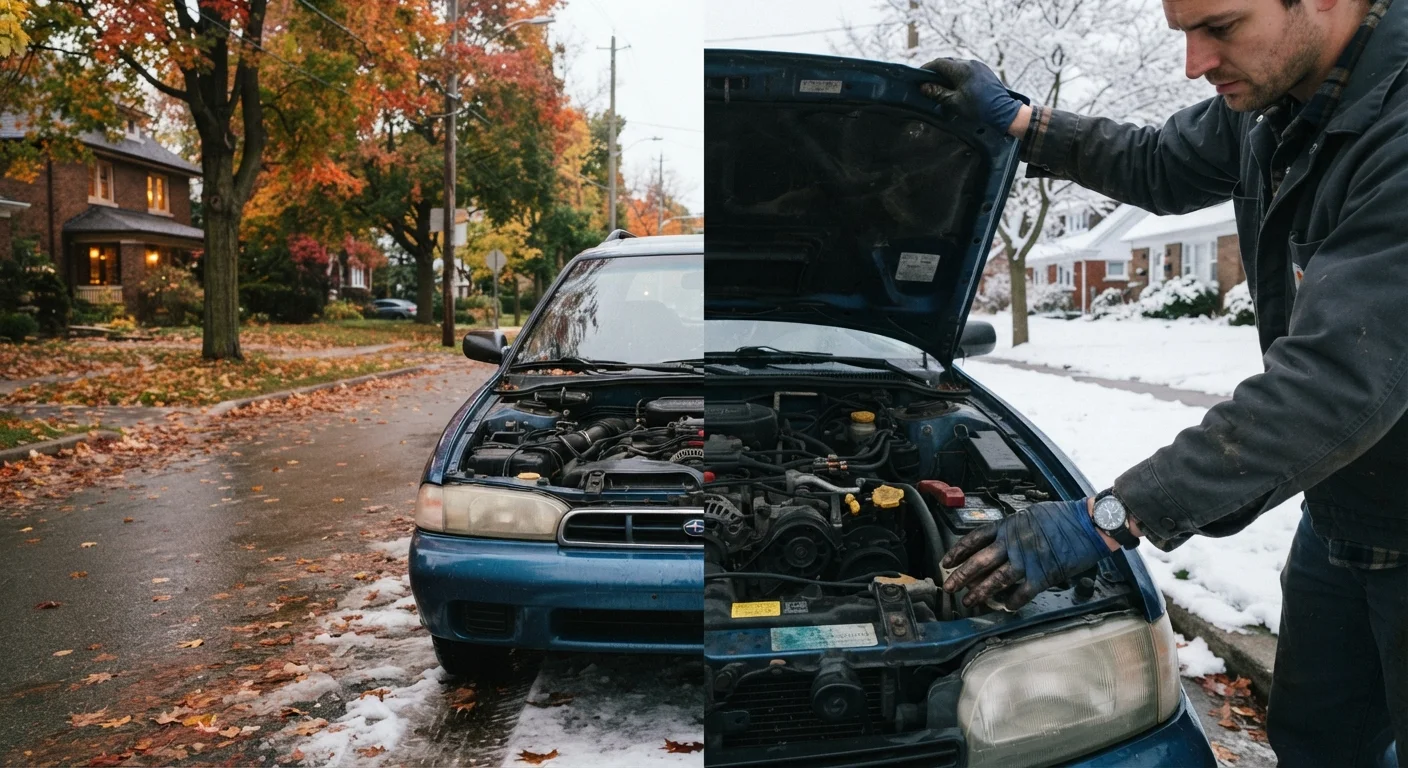
Photo: QuickSearches.net | It Doesn't Get Quicker Than This! editorial
Key Takeaways
- Checking fluids, tires, and your battery twice a year can prevent most common seasonal breakdowns.
- Cold weather is especially hard on batteries and tire pressure - inspect both before temperatures drop.
- Summer heat accelerates coolant breakdown and tire wear, making fluid checks critical in spring.
- Many seasonal checks can be done at home with basic tools, saving money on preventive maintenance.
- A well-maintained vehicle handles temperature extremes more safely and reliably.
Why Seasonal Checks Matter for Everyday Drivers
Most vehicle problems don't appear without warning - they develop gradually as temperatures swing and components wear under stress. A car that runs fine in mild weather can struggle once the thermometer drops below freezing or climbs past 90°F. The good news: the majority of seasonal failures are preventable with a structured inspection done twice a year, ideally in fall before winter sets in and in spring before summer heat peaks.
This checklist is designed for drivers who want to protect their investment and avoid the cost and inconvenience of a roadside breakdown. You don't need a professional shop for every item here, though a qualified mechanic should handle anything involving your brake system, suspension, or emission components. For a broader picture of year-round safe driving habits, see our year-round preparedness guide.
Tire pressure gauge
Accurately measure tire PSI so you can inflate to the vehicle manufacturer's specification, not the tire's maximum.
Battery load tester
Checks whether your battery can deliver adequate power under real-world starting conditions.
Coolant test strips or refractometer
Measures the freeze-protection level of your antifreeze to confirm it's adequate for winter temperatures.
Tread depth gauge
Precisely measures remaining tire tread to determine whether replacement is needed before a seasonal change.
Flashlight or work light
Illuminates the engine bay and undercarriage for a thorough visual inspection.
Before Winter: What to Inspect in Fall
Cold temperatures are particularly punishing on batteries, tires, and fluids. A battery that holds a charge in summer may fail entirely once temperatures drop into the 20s. Tire pressure also falls with the mercury - roughly 1 PSI for every 10°F drop - which can compromise traction on wet or icy roads. Understanding how ice and cold affect your vehicle's grip on the road is essential; our explainer on traction hazards like black ice and hydroplaning covers what to watch for when conditions turn dangerous.
Winter Preparation
Summer Preparation
Year-Round Essentials (check both seasons)
Don't Rely on Dashboard Warnings Alone
Once you've completed your inspection, make sure your trunk or back seat includes the essentials for a cold-weather emergency. Our emergency roadside kit checklist covers the items that matter most when you're stranded in cold weather.
Before Summer: What to Inspect in Spring
Summer heat places different demands on your vehicle. High temperatures accelerate coolant breakdown, increase the risk of tire blowouts on underinflated or worn tires, and can cause older wiper blades to streak or crack - a real hazard during summer thunderstorms. Spring is also the time to assess any damage that winter road salt may have done to your undercarriage and brake components.
If you're planning a long road trip this summer, seasonal prep pairs well with a thorough pre-departure review. The pre-trip preparation checklist covers logistics beyond just the vehicle itself.
Overheating Can Cause Serious Engine Damage
The content on this site is provided for informational purposes only and should not be considered a substitute for professional advice. While we strive to provide accurate and up-to-date information, we make no guarantees regarding its completeness or accuracy. Always consult a qualified professional for advice specific to your circumstances before making any decisions