
Your Pre-Trip Preparation Checklist

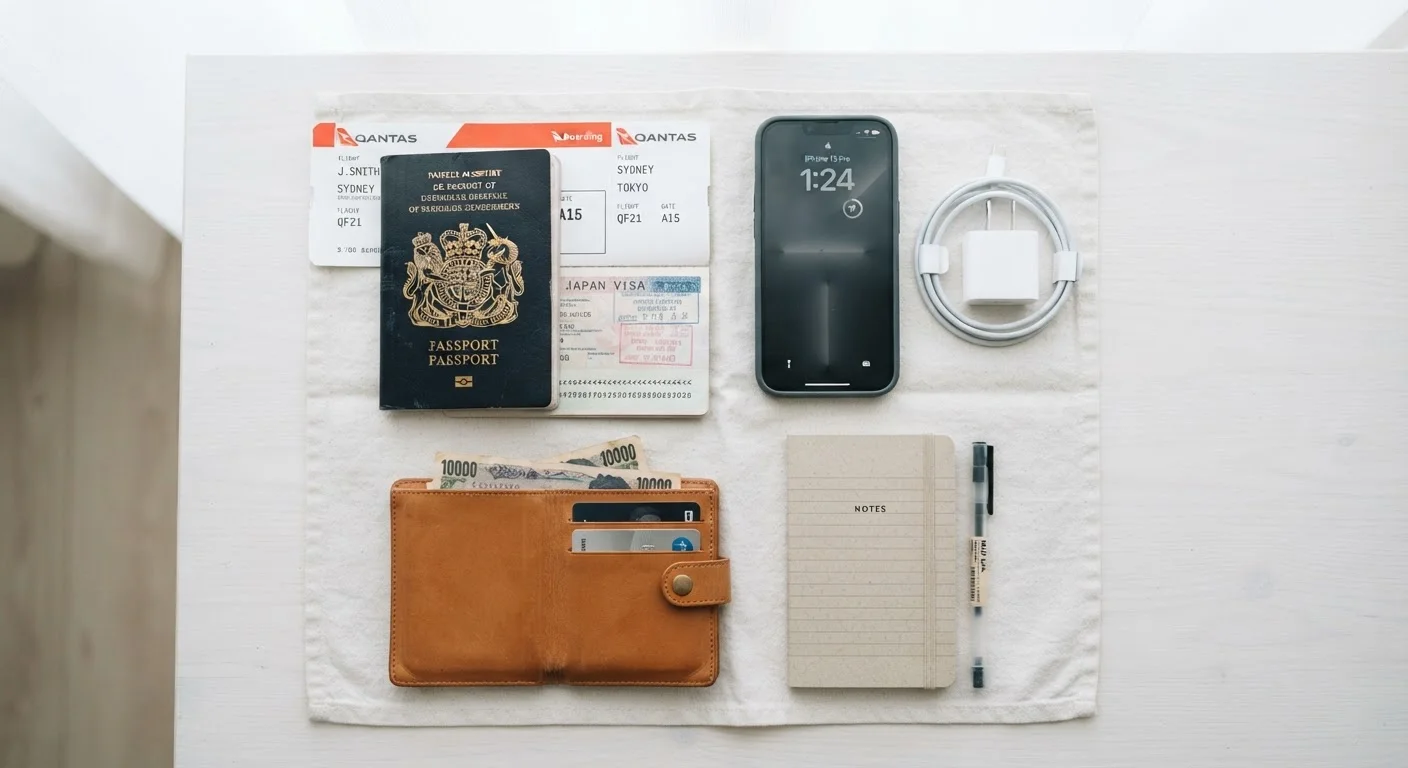
Photo: QuickSearches.net | It Doesn't Get Quicker Than This! editorial
Key Takeaways
- Confirm all bookings and save confirmation numbers in one accessible place before departure.
- Check passport, visa, and entry requirements well ahead of your travel date - not the night before.
- Notify your bank of travel plans and verify card access to avoid being locked out of funds abroad.
- Arrange home security basics and pause recurring deliveries so your absence isn't obvious.
- Pack a small personal item bag with essentials in case checked luggage is delayed or lost.
Why a Pre-Trip Checklist Actually Matters
Most travel stress isn't caused by the destination - it's caused by things left undone at home. A missed bank notification freezes your card in another city. A lapsed passport isn't discovered until the airport. A forgotten prescription runs out halfway through the trip. None of these are dramatic failures; they're just gaps in preparation that a simple checklist closes.
This checklist is built for everyday travelers working with real budgets and limited planning time. It's organized by category so you can work through it in stages - weeks out, days out, and the night before. For a broader look at how these pieces fit together, see the anatomy of a well-planned trip.
If you're traveling internationally, also review the health prep checklist for international travelers - vaccinations and prescription planning often need to start weeks before departure.
Digital document storage app or cloud folder
Store backup copies of your passport, bookings, and insurance documents in a secure location accessible from any device.
Offline maps app
Download destination maps for use without a data connection - essential in areas with limited cell service.
Travel insurance policy
Provides financial protection for trip cancellations, medical emergencies abroad, and lost or delayed luggage.
Packing checklist (paper or app)
Helps ensure nothing is forgotten by letting you check off items as they go into your bag rather than relying on memory.
The Full Pre-Trip Checklist
Work through these groups in order. Items marked must are non-negotiable - skipping them can derail your trip. Should items are strongly recommended, and nice-to-have additions make travel smoother but won't sink you if skipped.
Documents and Identity
Bookings and Confirmations
Money and Financial Access
Health and Medications
Packing and Luggage
Home Before You Leave
Don't Leave Entry Requirements for Last
Keeping everything organized across devices and shared with travel companions is its own challenge. The guide on keeping trip details organized across devices and people covers practical systems for storing confirmation numbers, itineraries, and shared plans so they're accessible when you need them.
If overpacking is a recurring issue, packing light enough to skip checked baggage fees walks through a carry-on-only approach that works for trips lasting a week or more.
A Few Things Worth Double-Checking
Even experienced travelers overlook items that seem obvious in retrospect. Here are the ones that come up most often.
Documents and Identity
Passports must typically be valid for at least six months beyond your return date for international travel - check the specific requirement for your destination through official government sources, as rules vary. Visas, entry authorizations, and vaccination documentation requirements also shift, so verify current rules before you fly, not after you've booked.
Money Access
Calling your bank before departure is still worth doing, even if your bank's app has a travel notification feature. Confirm that your debit and credit cards will work in your destination country, understand what foreign transaction fees apply, and know the international customer service number in case you need to report a problem. For more budget-specific planning, this pre-trip planning checklist focused on avoiding costly surprises covers fees and contingencies in detail.
Home Security Basics
You don't need an elaborate home security system to reduce risk while you're away. Pausing mail and package deliveries, letting a trusted neighbor know you'll be gone, and leaving a single interior light on a timer are low-cost steps that reduce the visible signs of an empty home. Make sure smoke and carbon monoxide detectors have working batteries before you leave.
This article provides general travel preparation guidance and is not a substitute for verifying current entry requirements, visa rules, or health regulations with official government and provider sources before you travel.
The content on this site is provided for informational purposes only and should not be considered a substitute for professional advice. While we strive to provide accurate and up-to-date information, we make no guarantees regarding its completeness or accuracy. Always consult a qualified professional for advice specific to your circumstances before making any decisions