
Emergency Roadside Kit: What to Keep in Your Car Year-Round

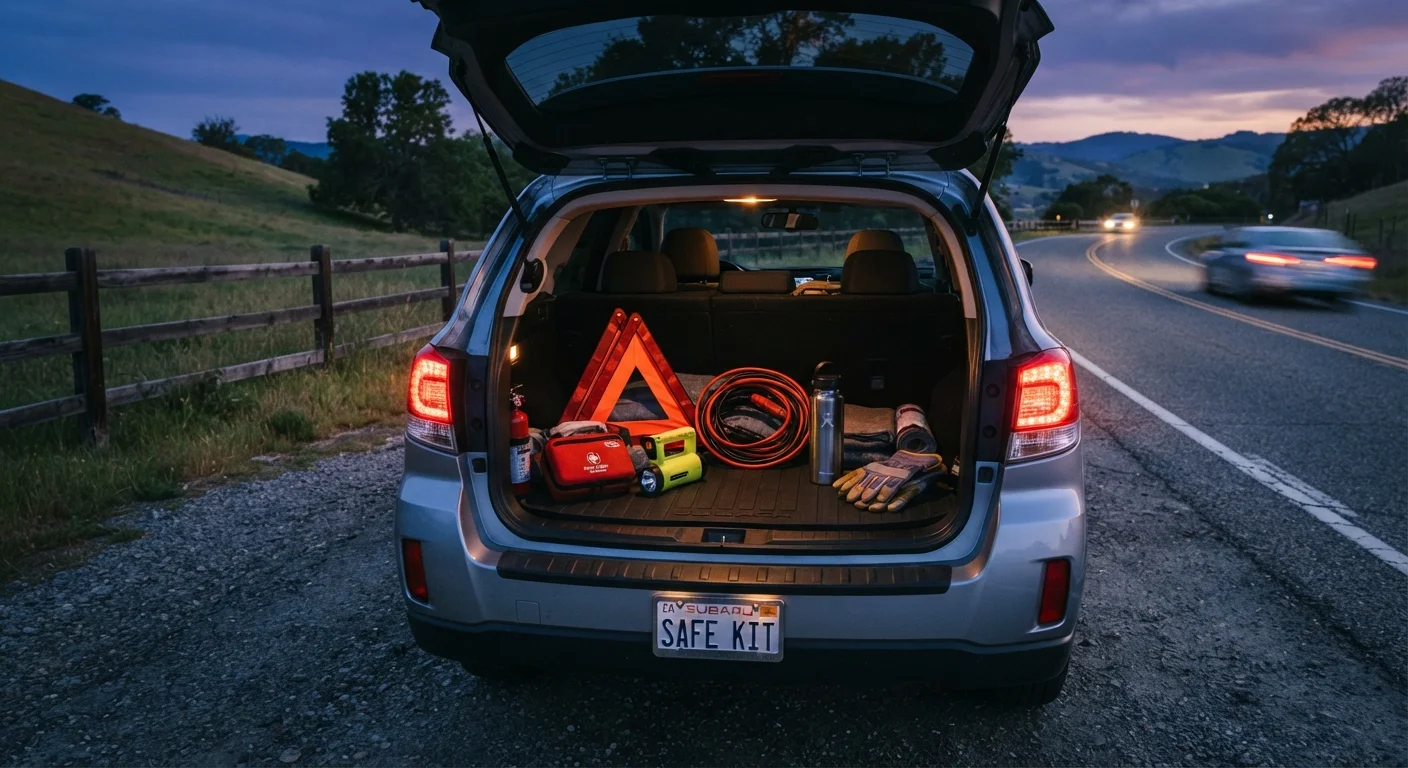
Photo: QuickSearches.net | It Doesn't Get Quicker Than This! editorial
Key Takeaways
- A roadside emergency kit should cover safety, communication, basic repair, and first aid needs.
- Many critical items - jumper cables, a flashlight, warning triangles - are inexpensive and rarely expire.
- Seasonal conditions can change what your kit needs; review it at least twice a year.
- Keeping your kit organized in a dedicated bag or bin makes it actually usable under stress.
- Some breakdown situations require calling a professional - your kit buys time and improves safety while you wait.
Why a Roadside Kit Belongs in Every Car
Vehicle breakdowns happen to drivers at every experience level - a dead battery in a parking lot, a flat tire on the highway at night, or an overheated engine on a summer road trip. Having a well-stocked emergency kit means you're prepared to stay safer and handle basic situations while help arrives, rather than being caught completely off guard.
This checklist is designed to be practical, not exhaustive. Every item listed here serves a real function in common roadside emergencies. None require advanced mechanical skills to use. The goal is a kit that a typical driver can put together in under an hour, store compactly in the trunk, and actually rely on when it matters.
For broader vehicle preparedness - including what to check on your car before conditions change - see our seasonal car care checklist covering tires, fluids, and battery. This roadside kit complements those preventive steps: preparation before the drive, and a safety net during it.
Safety & Visibility
Battery & Electrical
Tires & Fluids
First Aid
Tools & Miscellaneous
How to Organize and Maintain Your Kit
Packing everything into a single, dedicated waterproof bag or plastic bin is strongly recommended. In a stressful moment on a dark shoulder, you don't want to dig through loose items scattered across your trunk. Label the container clearly, and keep it in an accessible spot - not buried under cargo.
Never Stand Behind or Beside Moving Traffic
Review your kit at minimum twice a year - a sensible schedule is before summer and before winter. Check that batteries still hold charge, that nothing has expired (first aid supplies, medications), and that seasonal additions are swapped in or out. Our year-round driving preparedness guide covers the seasonal habit adjustments that pair well with kit maintenance.
If you drive frequently for work, take regular long-distance trips, or often travel in remote or rural areas, consider expanding your kit beyond the core items below. A compact toolkit, tire plug kit, or small fire extinguisher rated for vehicle use may be worth adding. Before any extended trip, it's also worth running through a pre-trip planning checklist to make sure the vehicle itself is ready to go.
Waterproof Storage Bin or Duffel Bag
Keeps all kit items together and protected from moisture and trunk spills.
Jumper Cables (12 ft minimum) or Portable Jump Starter
Restarts a dead battery - the most common roadside failure for passenger vehicles.
Reflective Warning Triangles (set of 3)
Alerts approaching drivers to your stopped vehicle, improving safety on highways and rural roads.
LED Flashlight with Extra Batteries
Provides reliable lighting for tire changes, engine checks, or flagging help after dark.
Compact First Aid Kit
Handles minor cuts, abrasions, and injuries while waiting for emergency services.
Portable Tire Inflator
Reinflates a partially deflated tire so you may be able to reach a service station safely.
High-Visibility Safety Vest
Makes you visible to passing traffic if you must stand outside your vehicle on a busy road.
The content on this site is provided for informational purposes only and should not be considered a substitute for professional advice. While we strive to provide accurate and up-to-date information, we make no guarantees regarding its completeness or accuracy. Always consult a qualified professional for advice specific to your circumstances before making any decisions