
Before You Fly: A Health Prep Checklist for International Travelers

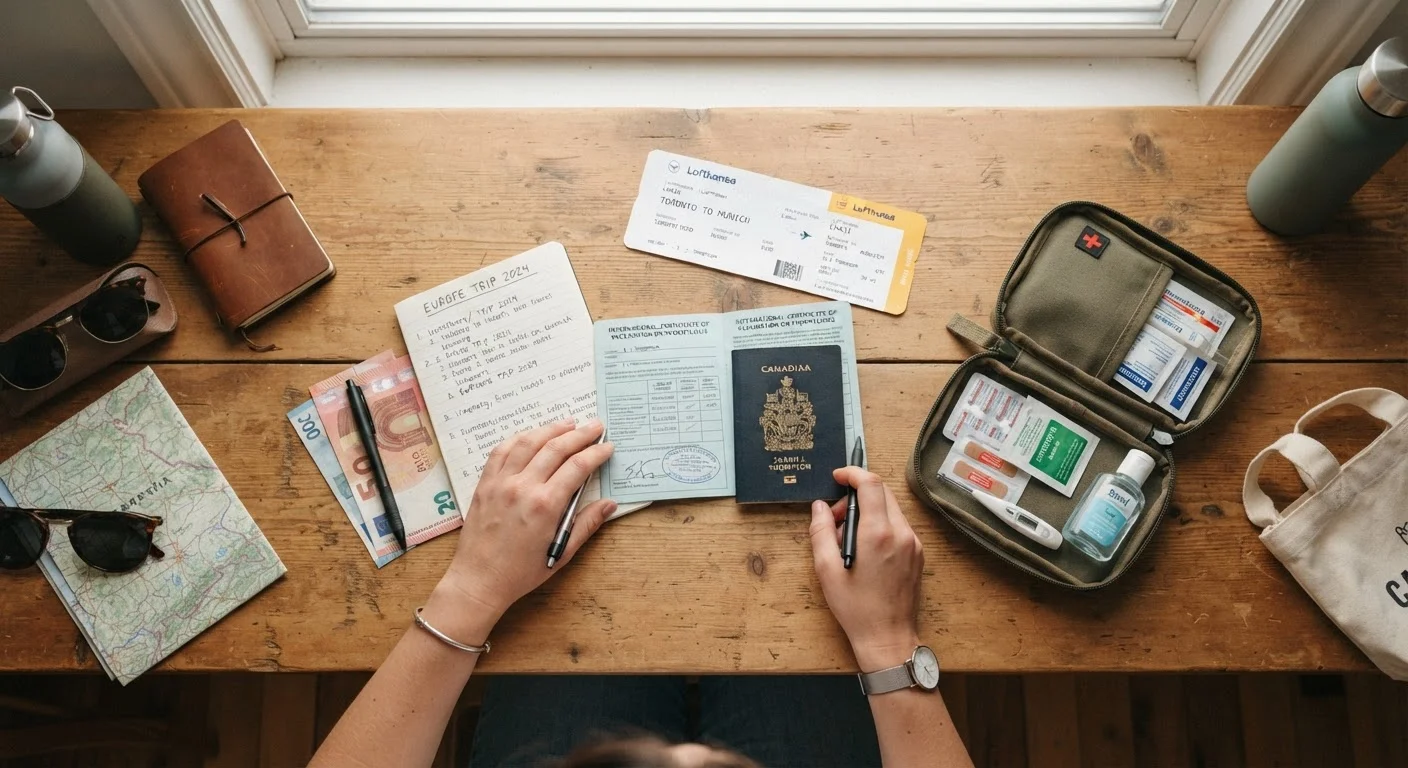
Photo: QuickSearches.net | It Doesn't Get Quicker Than This! editorial
Key Takeaways
- Start your health prep at least 4-6 weeks before departure to allow time for vaccines and prescription refills.
- A pre-travel appointment with a doctor or travel health clinic is the most important single step you can take.
- Your destination, trip length, and personal health history all determine which vaccines and medications you may need.
- Carry copies of all prescriptions and medical records, both digital and printed.
- Travel health insurance that covers medical evacuation is worth budgeting for on international trips.
- Verify all entry requirements and vaccine mandates directly with official government sources before you go.
Why Health Prep Belongs on Every International Packing List
Most travelers spend hours comparing flight prices and accommodation options, then leave health preparation until the night before departure. That gap can be costly - not just financially, but physically. Medical care abroad can be expensive, unpredictable, and complicated by language barriers, and some preventable illnesses take hold within days of arrival.
The good news: a focused pre-trip health checklist takes less time than most people expect, and the steps here are manageable whether you're a first-time international traveler or a seasoned one due for a refresh. For broader trip logistics, see our pre-trip planning checklist - health prep pairs directly with those steps.
Work through this checklist in order. The earlier items - particularly scheduling your medical appointment - must happen well before departure. Later items can be addressed closer to your travel date.
This Checklist Is Not Medical Advice
What to Discuss at Your Pre-Travel Appointment
Your pre-travel health appointment is the backbone of this entire checklist. A provider who knows travel medicine can review your destination's specific disease risks, cross-check your existing health conditions, update overdue routine vaccines, and prescribe medications that may not come up in a standard annual checkup.
Bring a copy of your itinerary - every country, including any you're passing through in transit. Destination-specific vaccine needs vary significantly. For a deeper look at how to think through vaccination decisions, see our guide on which travel vaccines apply to your trip.
If you manage a chronic illness, your pre-travel appointment is especially important. Consider also reviewing our guide on traveling with a chronic condition before you go.
Schedule and Appointments
Vaccinations
Prescriptions and Medications
Medical Records and Documentation
Travel Health Insurance
Health Kit and Personal Preparedness
Tools and Resources You'll Need
Having the right resources before and during your trip makes health prep more effective and reduces stress if something goes wrong. Below are the key tools referenced throughout this checklist.
CDC Travelers' Health Website (wwwnc.cdc.gov/travel)
Look up destination-specific vaccine recommendations, disease risks, and health advisories before your appointment.
Travel Medicine Clinic
Provides specialized pre-travel consultations, destination-specific vaccines, and prescriptions like antimalarials that regular clinics may not stock.
International Certificate of Vaccination (Yellow Card)
Official WHO-recognized document proving required vaccinations such as yellow fever - required for entry to certain countries.
Travel Health Insurance Policy
Covers emergency medical treatment and evacuation costs abroad that standard domestic insurance typically excludes.
Secure Digital File Storage (e.g., encrypted cloud folder or health app)
Store digital backup copies of prescriptions, vaccination records, and emergency contacts accessible from your phone.
Once you've assembled your documentation and prescriptions, take time to build out your physical travel health kit. Our article on what to pack in a travel health kit walks through exactly what's worth including.
Altitude, Climate, and Destination-Specific Risks
Not all international health risks involve infectious disease. Travelers heading to high-altitude destinations - think the Andes, the Himalayas, or parts of East Africa - face a different category of concern. Altitude sickness can affect anyone regardless of fitness level, and symptoms can develop faster than most travelers anticipate.
Similarly, extreme heat, humidity, or unfamiliar food and water standards all warrant preparation. Ask your provider specifically about the climate and environmental conditions of your destination - not just its disease profile.
Don't Wait Until the Week Before You Leave
Verify Entry Requirements With Official Sources
For a broader overview of pre-trip logistics that tie into these health steps, the Trip Planning Basics hub is a practical starting point.
This article is for general informational and educational purposes only and does not constitute medical advice. Consult a qualified healthcare professional before making any decisions about vaccines, medications, or your personal fitness to travel internationally.
The content on this site is provided for informational purposes only and should not be considered a substitute for professional advice. While we strive to provide accurate and up-to-date information, we make no guarantees regarding its completeness or accuracy. Always consult a qualified professional for advice specific to your circumstances before making any decisions