
Altitude Sickness: Recognizing the Signs Before They Become Serious

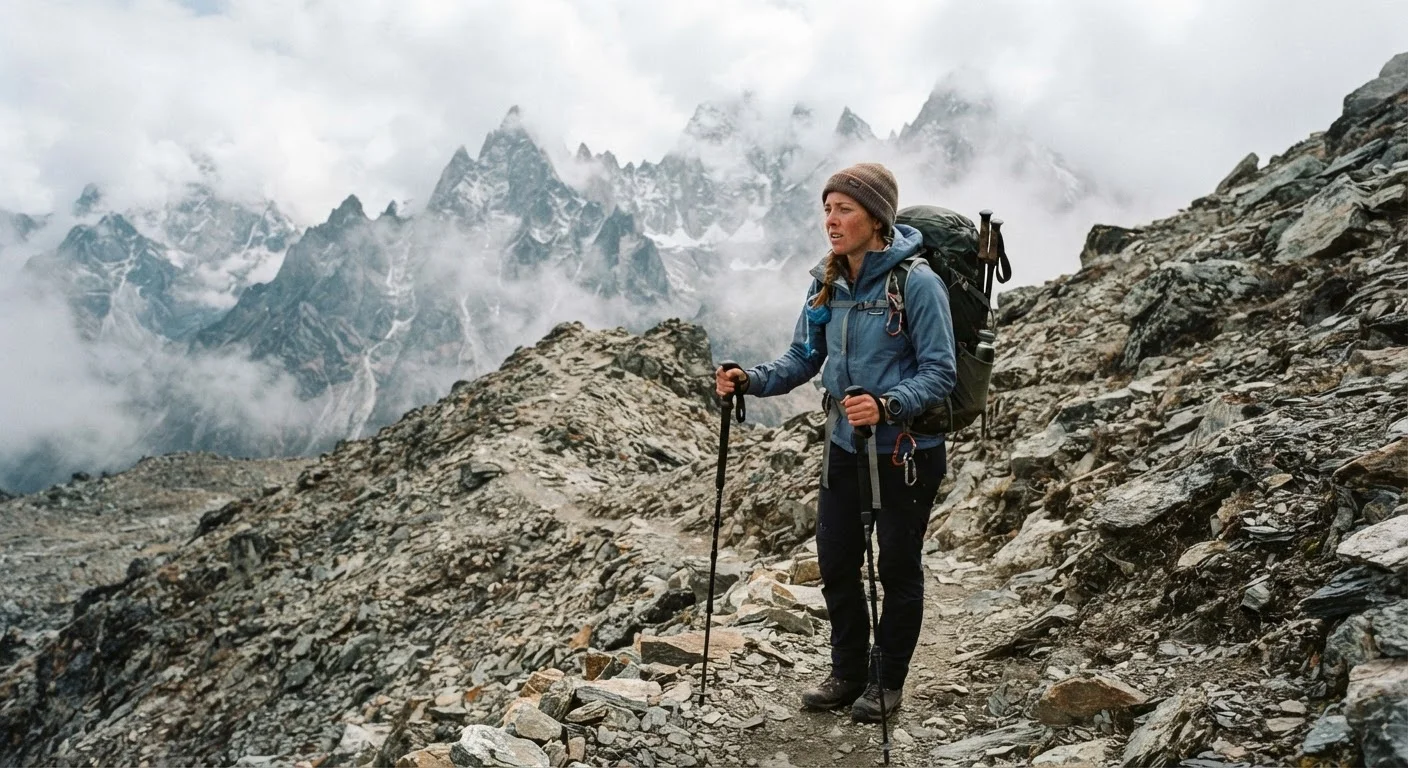
Photo: QuickSearches.net | It Doesn't Get Quicker Than This! editorial
Key Takeaways
- Altitude sickness can affect anyone - fitness level and prior experience are not reliable protections.
- Symptoms typically appear within 6 to 12 hours of reaching high elevation and range from mild to life-threatening.
- Descending to a lower altitude is the most effective response to worsening symptoms.
- Gradual ascent is the single most widely recommended preventive strategy.
- Anyone with a chronic condition should consult a doctor before traveling to high-altitude destinations.
What Is Altitude Sickness?
Altitude sickness is what happens when your body doesn't get enough time to adjust to reduced oxygen levels at high elevation. The air at altitude contains the same percentage of oxygen as at sea level, but lower air pressure means each breath delivers less of it. Your body responds by trying to compensate - breathing faster, increasing heart rate - but that process takes time.
There are three recognized forms, ranging in severity. Acute Mountain Sickness (AMS) is the mildest and most common. High Altitude Cerebral Edema (HACE) and High Altitude Pulmonary Edema (HAPE) are rare but life-threatening escalations. Understanding the difference matters because early AMS, if ignored, can progress to the more dangerous forms.
Acute Mountain Sickness (AMS)
The most common form of altitude sickness, characterized by headache, fatigue, and nausea that typically appear within hours of reaching high elevation.
High Altitude Cerebral Edema (HACE)
A severe and potentially life-threatening form of altitude sickness where fluid builds up in the brain, causing confusion and loss of coordination.
High Altitude Pulmonary Edema (HAPE)
A dangerous condition where fluid accumulates in the lungs at high altitude, making breathing difficult even at rest. It is a medical emergency.
Acclimatization
The gradual process by which the body adapts to lower oxygen levels at higher elevations, typically requiring at least one to two days at each new altitude.
Hypoxia
A state where the body's tissues receive insufficient oxygen - the underlying mechanism behind altitude sickness symptoms.
Popular destinations like Cusco, Peru (11,200 ft), La Paz, Bolivia (11,900 ft), and high-altitude trekking routes in Nepal put travelers well into the risk zone. Even ski resorts in Colorado sit above 9,000 feet - enough to cause symptoms in some visitors arriving from sea level.
Early Warning Signs to Watch For
Symptoms of AMS typically appear within 6 to 12 hours of reaching a higher elevation. The most telling early sign is a headache - often described as a dull, persistent pressure across the forehead. On its own, that's not cause for panic, but combined with any of the following, it warrants attention:
- Fatigue or weakness out of proportion to activity level
- Nausea or loss of appetite
- Dizziness or lightheadedness
- Difficulty sleeping, despite exhaustion
- General feeling of being unwell
A useful rule of thumb: if you feel notably worse than you'd expect given your exertion, take altitude seriously as a possible cause. Many travelers mistake early AMS for dehydration, jet lag, or a coming cold - which delays an appropriate response.
Before high-altitude travel, it's worth reviewing your overall health readiness. Our pre-trip health checklist for international travelers covers the medical groundwork worth doing before departure.
When Symptoms Become Serious
If mild symptoms are ignored and ascent continues, the condition can escalate. HACE and HAPE are medical emergencies. Knowing what they look like could save a life - yours or someone else's in your travel group.
Signs of HACE:- Confusion or disorientation
- Loss of coordination or stumbling (ataxia)
- Extreme fatigue or drowsiness
- Severe headache that does not improve with rest
- Shortness of breath at rest (not just during exertion)
- Persistent dry cough, possibly producing pink or frothy sputum
- Rapid heart rate and breathing even when still
- Blue-tinged lips or fingertips (cyanosis)
Never Ignore Worsening Symptoms
If anyone in your group shows these symptoms, descend immediately - even a drop of 1,000 to 2,000 feet can produce significant improvement. Evacuation and emergency medical care should be sought without delay. Do not wait to see if things improve at the same altitude.
General Precautions Before and During Ascent
The most effective way to avoid altitude sickness is to give your body time to adjust. Rapid ascent - flying directly to a high-altitude city, for example - leaves no acclimatization window at all.
The 'Climb High, Sleep Low' Rule
Widely recommended general practices include:
- Ascend gradually. When possible, avoid jumping from sea level to above 8,000 feet in a single day. Adding an intermediate stop at a moderate elevation helps.
- Limit strenuous activity for the first 24-48 hours. Your body needs resources to acclimatize; don't drain them with hard hiking or exertion on arrival day.
- Stay hydrated. Dehydration compounds symptoms. Drink water consistently, and avoid excessive alcohol, which disrupts sleep and can mask or worsen symptoms.
- Know your descent triggers. Agree in advance with your travel group on clear thresholds for turning back or descending.
Some travelers consult a travel medicine physician about prescription medication options before high-altitude trips. This is a conversation to have with a qualified healthcare provider well before departure - not a decision to make based on general internet advice.
If you're managing a chronic illness, the stakes are higher. See our guide on traveling safely with a chronic condition for broader guidance on planning ahead.
Who Should Be Extra Cautious
Anyone can develop altitude sickness - age, fitness, and prior high-altitude experience are imperfect predictors. That said, certain groups face elevated risk or complications and should prioritize a pre-travel medical consultation:
- People with heart or lung conditions, including asthma or COPD
- Anyone with a history of prior altitude sickness
- Those with anemia or blood disorders
- Pregnant travelers
- People taking certain medications that may interact with altitude-related physiological changes
Children are not necessarily more susceptible than adults, but they may have difficulty articulating their symptoms - parents traveling with kids to high-altitude destinations should monitor closely and err on the side of caution.
Altitude sickness is one of several health risks that deserve advance thought if you're traveling solo. Our piece on solo travel safety habits addresses the broader picture of staying prepared when you're on your own.
This article is intended for general educational purposes only and does not constitute medical advice. Always consult a qualified healthcare professional before traveling to high-altitude destinations, particularly if you have pre-existing health conditions or concerns.
Frequently Asked Questions
The content on this site is provided for informational purposes only and should not be considered a substitute for professional advice. While we strive to provide accurate and up-to-date information, we make no guarantees regarding its completeness or accuracy. Always consult a qualified professional for advice specific to your circumstances before making any decisions