
Travel Vaccinations: How to Know Which Ones Apply to Your Trip

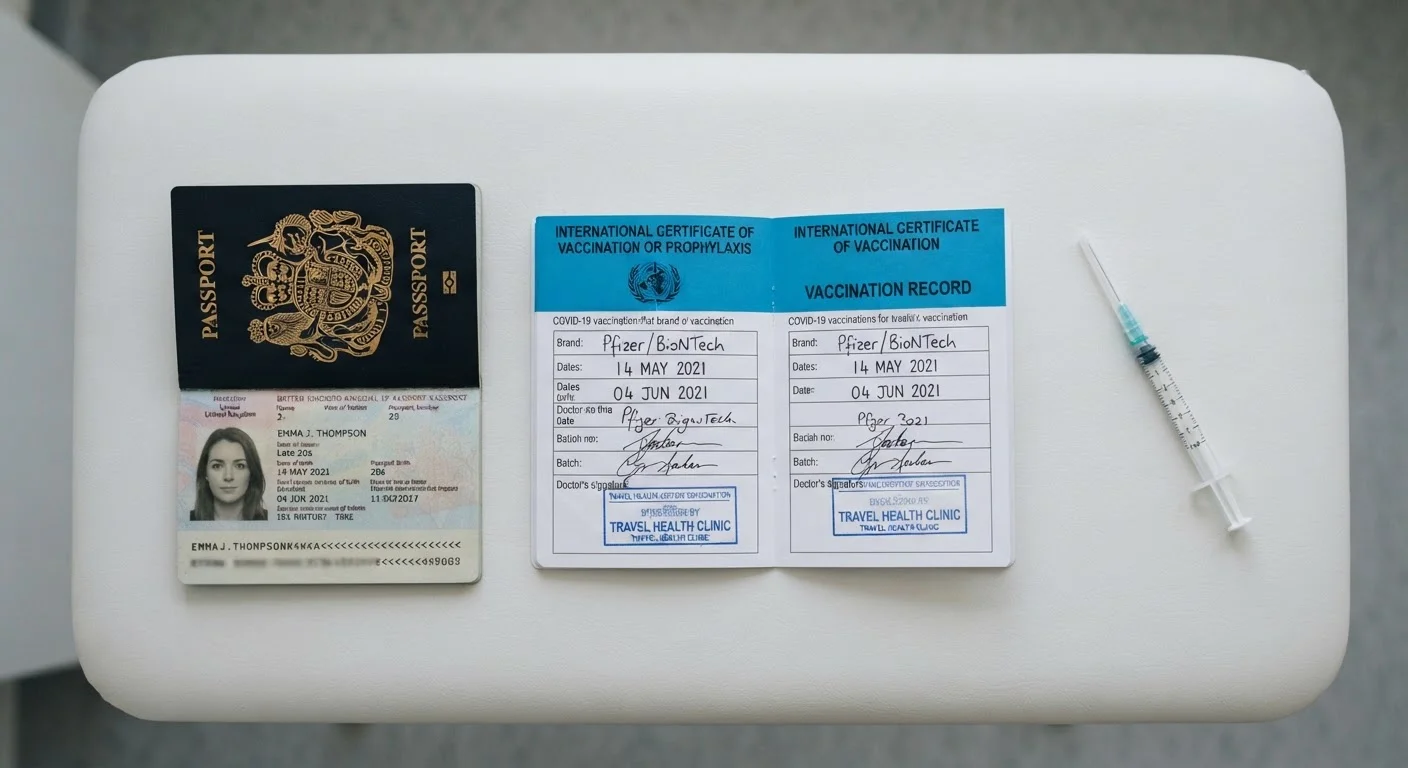
Photo: QuickSearches.net | It Doesn't Get Quicker Than This! editorial
Key Takeaways
- Vaccine requirements vary by destination, trip type, and your personal health history.
- Some vaccines are legally required for entry; others are strongly recommended by health authorities.
- Start the vaccine planning process at least 4-6 weeks before your departure date.
- A travel medicine clinic or your primary care provider is the right starting point for personalized advice.
- Always verify current entry requirements through official government sources before traveling.
Why Travel Vaccines Aren't One-Size-Fits-All
Not every trip puts you in contact with the same health risks. A week at a resort in the Caribbean looks nothing like three months backpacking through rural Southeast Asia - and your vaccine needs reflect that difference. Two key categories shape the conversation: required vaccines and recommended vaccines.
Required vaccines are legally mandated by certain countries as a condition of entry. Yellow fever is the most common example - some countries in sub-Saharan Africa and South America require documented proof of vaccination before you're allowed through immigration. Skipping it can mean being turned away at the border or quarantined. See our guide to reading destination entry requirements for help navigating the paperwork side.
Recommended vaccines are those that public health authorities - including the U.S. Centers for Disease Control and Prevention (CDC) - advise based on where you're going and what you'll be doing, even if the destination doesn't require them. These cover diseases like hepatitis A, typhoid, and rabies, which may be present in your destination but not enough of a public concern to mandate vaccination at the border.
Entry Requirements Can Change Without Much Notice
Factors That Shape Your Specific Vaccine Needs
Your destination is the starting point, but several other variables matter when determining what applies to your trip:
- Geographic region and rural vs. urban travel: Disease risk varies even within a country. Staying in a major city hotel is a different exposure profile than hiking remote jungle trails or visiting rural villages.
- Trip duration: Longer trips mean more cumulative exposure. A traveler spending six weeks in a region is generally at higher risk than someone doing a four-day layover.
- Activities planned: Adventure travelers, aid workers, and healthcare volunteers face risks that beach vacationers don't. Cave exploration, animal contact, or working in medical settings can each trigger specific recommendations (for example, rabies pre-exposure vaccine for those handling animals).
- Your immunization history: Many routine vaccines - measles-mumps-rubella (MMR), tetanus, polio - should already be up to date. Gaps in your vaccination record may need to be filled before travel.
- Age and health status: Young children, adults over 65, pregnant individuals, and people with chronic conditions or weakened immune systems may have different risk profiles and vaccine options. A healthcare provider should evaluate these situations individually.
This is also a good time to think about the broader picture of travel health preparation. The pre-travel health checklist for international travelers covers prescriptions, doctor visits, and other steps that go alongside vaccine planning.
How to Find Out What You Actually Need
Here's how to move from guesswork to a clear, personalized vaccine plan:
Check the CDC and State Department travel pages for your destination
The CDC's Travelers' Health site (wwwnc.cdc.gov/travel) has destination-specific pages listing both required and recommended vaccines, along with health notices. The U.S. State Department's travel advisories provide safety context. These are free, reliable starting points - bookmark both.
Pull out your immunization records
Before any appointment, locate your vaccination history - a physical card, records from your pediatrician, or documentation from your state's immunization registry. Knowing what you've already received prevents duplicate doses and helps a provider identify gaps quickly.
Schedule a travel medicine consultation
Book an appointment with a travel medicine clinic or your primary care provider. Aim for at least 4-6 weeks before departure to allow enough lead time for multi-dose vaccines and for your immune system to build protection. Bring your destination itinerary, planned activities, and immunization records to the visit.
Discuss your health history and trip details with the provider
Your provider will ask about your destination, planned activities, current medications, allergies, and any underlying conditions. Be thorough - this conversation shapes every recommendation. Mention if you're pregnant, immunocompromised, or traveling with young children, as these factors significantly affect which vaccines are appropriate and safe.
Get documentation of any required vaccines
If your destination requires proof of vaccination (yellow fever being the most common), you'll need an official International Certificate of Vaccination or Prophylaxis (ICVP), sometimes called a yellow card. Only vaccines administered at an authorized provider count for this purpose. Ask your clinic to complete the certificate at the time of vaccination and keep it with your passport.
A few things worth knowing as you work through this process. First, timing matters significantly - some vaccines require multiple doses spread over weeks, and others need time to become effective. Starting less than two weeks before departure may mean limited protection. Second, costs vary. Travel vaccines aren't always covered by standard health insurance, though some may be if they're considered routine. Check your plan before your appointment. For a broader look at protecting your investment if something goes wrong on the road, our article on what travel insurance covers and what it doesn't is worth reading alongside your vaccine prep.
Budget-Friendly Ways to Get Travel Vaccines
This article is for general informational purposes only and is not medical advice. Always consult a qualified healthcare provider or travel medicine specialist to determine which vaccines are appropriate for your individual health situation and travel plans.
The content on this site is provided for informational purposes only and should not be considered a substitute for professional advice. While we strive to provide accurate and up-to-date information, we make no guarantees regarding its completeness or accuracy. Always consult a qualified professional for advice specific to your circumstances before making any decisions