
Food and Water Safety Abroad: What Travelers Consistently Get Wrong

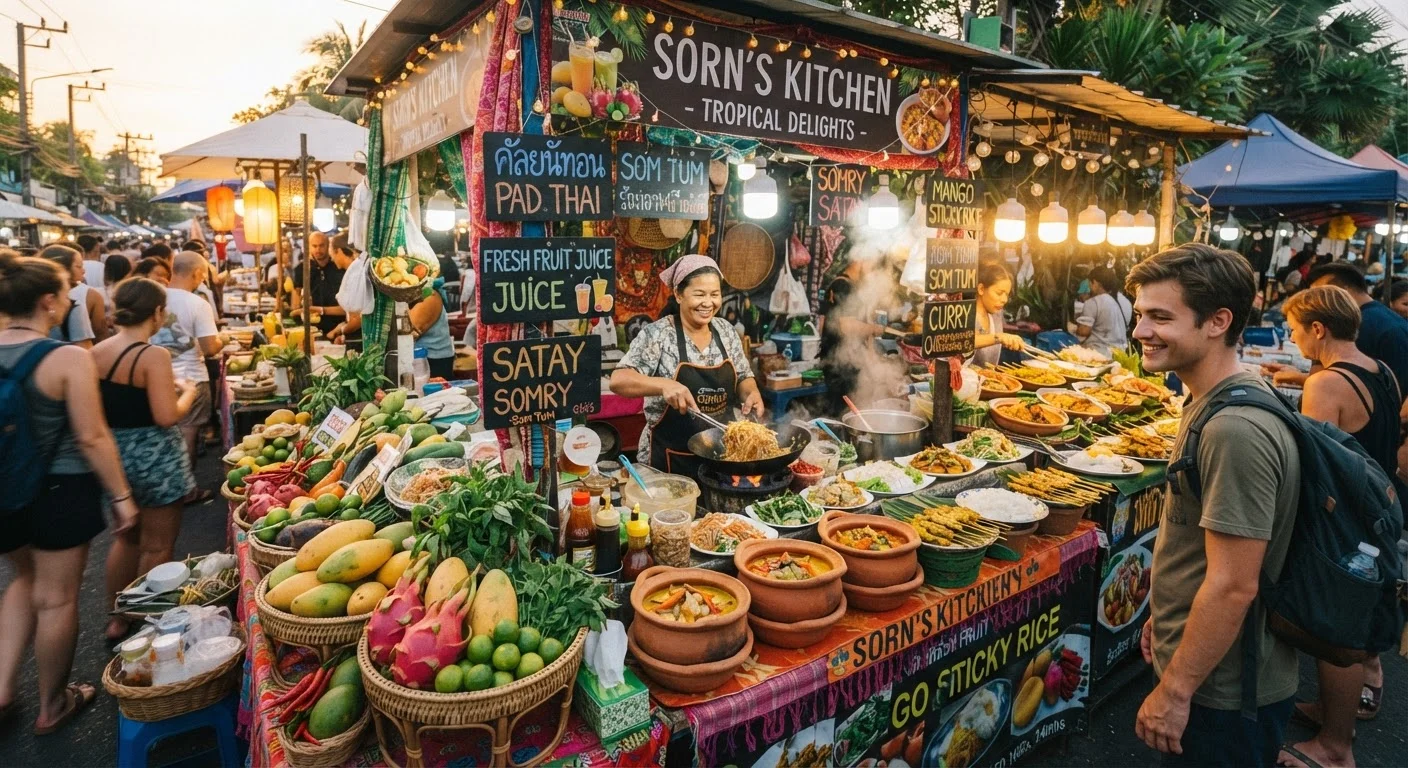
Photo: QuickSearches.net | It Doesn't Get Quicker Than This! editorial
Key Takeaways
- Traveler's diarrhea affects an estimated 30-70% of international travelers and is largely preventable.
- Tap water safety varies dramatically by destination; ice, fresh produce, and brushing teeth all count as exposure.
- High foot traffic at a food stall is one of the most reliable signals of safer food handling.
- Alcohol-based hand sanitizer reduces contamination risk but does not replace safe food and water choices.
- Travelers with chronic conditions face elevated risk and should consult a healthcare provider before departure.
Why Travelers Keep Getting Sick - And Why It's Not Just Bad Luck
Foodborne illness and traveler's diarrhea are among the most common health problems people encounter abroad. Yet most cases aren't random misfortune - they're the result of predictable, avoidable mistakes that even experienced travelers repeat. The problem usually isn't dramatic: it's a glass of tap water here, unwashed hands before a meal there, or a reasonable-sounding judgment call that doesn't account for local conditions.
Understanding the specific behaviors that put you at risk - and why they feel reasonable in the moment - is the most practical defense you have. For a broader look at health misconceptions that lead travelers astray, see common travel health myths worth setting straight.
Assuming bottled water is the only water risk - and ignoring ice, produce, and toothbrushing.
Avoiding street food entirely rather than learning how to assess it.
Skipping handwashing before meals because a hand sanitizer was used earlier.
Eating salads and raw vegetables without considering how they were washed.
Judging a restaurant's safety by how clean or upscale it looks.
Not researching destination-specific risks before arriving.
Practical Habits That Actually Protect You
Beyond avoiding specific mistakes, a few consistent habits go a long way. Carry a small bottle of alcohol-based hand sanitizer (at least 60% alcohol) and use it before eating when soap and water aren't available - but understand it's a supplement to smart food and water choices, not a substitute. When in doubt about water quality, stick to commercially sealed bottled water or water that has been boiled and cooled.
30-70%
Travelers affected by traveler's diarrhea
According to the CDC, traveler's diarrhea is the most common travel-related illness, affecting roughly 30-70% of international travelers depending on destination.
80%
Cases caused by bacterial pathogens
The CDC notes that the majority of traveler's diarrhea cases are caused by bacterial contamination, making food and water hygiene the primary prevention lever.
At restaurants or stalls, hot food served hot is generally safer than food that has been sitting at room temperature. Fruit you can peel yourself - bananas, oranges, mangoes - carries lower risk than pre-cut fruit from an unknown source. When eating on a tight budget, eating well abroad without wrecking your budget covers how to make smart, affordable choices that don't compromise your health.
If you do get sick, staying hydrated is the immediate priority. Most traveler's diarrhea resolves on its own, but persistent symptoms, fever, or blood in stool warrant prompt medical attention. Travelers managing chronic illnesses face additional complexity - protecting your health when traveling with a chronic condition offers guidance worth reviewing before you depart.
This article is for general informational purposes only and is not a substitute for professional medical advice. Consult a qualified healthcare provider before traveling, especially if you have an underlying health condition or are visiting a high-risk destination.
The content on this site is provided for informational purposes only and should not be considered a substitute for professional advice. While we strive to provide accurate and up-to-date information, we make no guarantees regarding its completeness or accuracy. Always consult a qualified professional for advice specific to your circumstances before making any decisions