
Free and Low-Cost Things to Do in Any New City

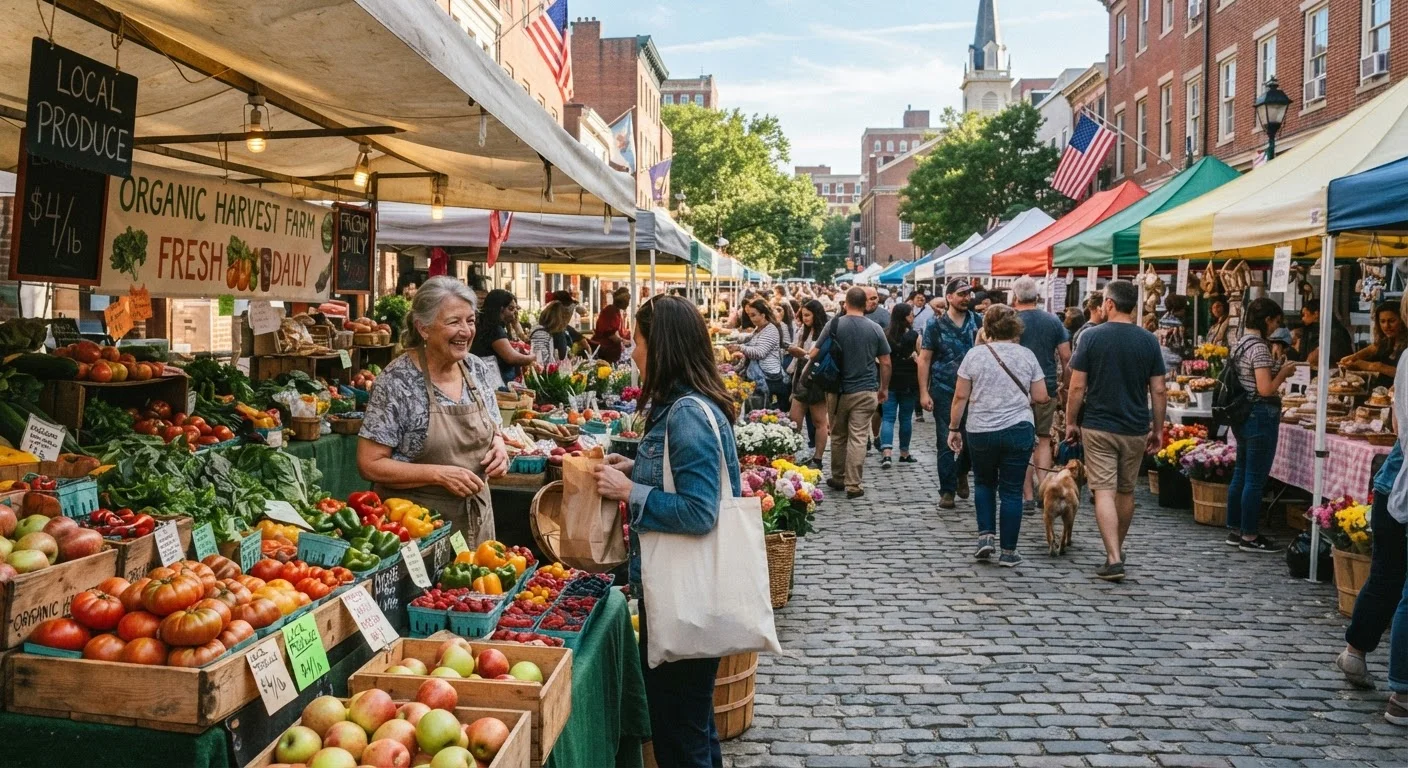
Photo: QuickSearches.net | It Doesn't Get Quicker Than This! editorial
Key Takeaways
- Most cities offer genuinely free experiences - parks, markets, public art, and museum free days - that rival paid attractions.
- Neighborhood walking is one of the most effective ways to absorb local culture without spending anything.
- Library cards, community event calendars, and tourism websites surface free programming most visitors overlook.
- Timing your visit around free museum days or community events can significantly reduce your total trip cost.
You Don't Need to Spend Much to Experience a City
Paid attractions often get the spotlight in travel planning, but the most authentic version of any American city tends to live outside the ticketed zones. Public spaces, neighborhood events, and free cultural institutions are how locals actually spend their time - and accessing them requires more curiosity than cash.
This guide is built for travelers who want real experiences, not just discounted ones. Whether you're passing through on a road trip or spending a weekend somewhere new, these approaches work in nearly any city across the country. If you're just getting started with budget travel, our foundation guide for first-timers covers the core mindset and tools worth knowing before you go.
Explore city and national parks
Parks are the single most accessible free resource in almost every American city. Urban parks range from small neighborhood greens to sprawling multi-acre destinations with trails, waterways, and regular free programming. Many cities also sit near national parks, national monuments, or state parks with no entrance fee or a modest day-use charge.
Check the National Park Service website for fee-free days throughout the year - there are typically several, including holidays. Local parks and recreation department websites list free ranger walks, outdoor concerts, and seasonal events that rarely make it onto mainstream travel guides.
National Park Service fee-free days offer full access at zero cost - check the schedule before you travel.
Visit public markets and farmers markets
Public markets are free to browse and function as genuine community gathering spots. Unlike tourist-facing food halls, weekly farmers markets reflect what locals actually buy and eat. You'll find seasonal produce, local crafts, prepared food vendors, and often live music - all in one open-air space with no admission charge.
Most cities host at least one weekly farmers market, often Saturday mornings. Larger cities may have several neighborhood markets running on different days. A quick search of the city name plus "farmers market" or "public market" will surface the current schedule.
Farmers markets offer a genuine slice of local life - free to browse, no ticket required.
Look for museum free days and community hours
Many major museums - art, natural history, science, and history institutions - offer free admission on specific days or evenings each month. Some are permanently free. Others partner with library systems so that local library cardholders can check out museum passes at no charge.
Even if you're visiting from out of town, some library systems allow temporary visitor cards. Tourism bureau websites often maintain updated lists of free museum days. Call ahead or check the museum's website directly, as programs change seasonally and schedules aren't always prominently advertised.
A single free museum day can save a family of four $60 or more compared to standard admission.
Take a self-guided neighborhood walking tour
Architecture, street art, historic signage, and local storefronts tell a city's story in ways that guided tours often compress or skip. Self-guided walking tours are free, flexible, and genuinely educational. Many city tourism offices publish free walking tour maps - downloadable PDFs or web-based routes - covering historic districts, arts neighborhoods, or waterfront areas.
Apps like Google Maps allow you to pre-download offline maps before you arrive, so navigation doesn't depend on data coverage. Staying safe in unfamiliar cities offers practical habits for navigating new neighborhoods confidently.
City tourism offices often publish free downloadable walking tour maps that rival any paid guide.
Check community event calendars
Free concerts, outdoor film screenings, cultural festivals, art walks, and neighborhood block parties happen regularly in most cities - they just aren't always marketed to visitors. Local event calendars, often maintained by the city's parks department or a local alt-weekly publication, are the fastest way to find what's actually happening during your visit.
Searching "free events [city name] this weekend" on any browser pulls up current community listings. Social media pages for city parks and recreation departments also post upcoming free programming with minimal lag time.
City parks and recreation social media pages are an underused resource for finding real-time free events.
Use public libraries as a resource hub
Public libraries in most American cities offer more than books. Many provide free passes to local attractions, free Wi-Fi workspaces, community notice boards listing local events, and in some cases free tickets to performances or sporting events through community partnership programs.
Even as a visitor, it's worth stepping inside a city's central library. The reference desk staff often have a strong handle on what's free or cheap nearby. Libraries also frequently host their own free programming - author talks, film screenings, cultural exhibits - that runs parallel to the main collection.
Library reference staff often know more about free local programming than any tourism app.
Seek out free public art and architectural landmarks
Murals, public sculptures, historic buildings, and waterfront installations cost nothing to see and are often concentrated in walkable urban cores. Many cities have designated arts districts or public art programs with online maps showing where major works are located.
Architectural landmarks - courthouses, train stations, libraries, historic neighborhoods - are publicly accessible and frequently more interesting than generic paid attractions. Local preservation societies often publish free self-guided architectural tour materials available online or at visitor centers.
Public art districts and historic architecture offer world-class visual experiences at zero cost.
Making the Most of Every Free Hour
Free and low-cost activities aren't a consolation prize - they're often the experiences travelers remember longest. A morning wandering a public market, an afternoon in a city park, or a free gallery visit can be more memorable than any expensive tour.
Check tourism bureau websites first
Pairing smart activity choices with equally thoughtful decisions on food will stretch your budget even further. Eating well on the road without wrecking your budget walks through practical approaches that keep meals affordable wherever you land. And if you're driving between cities, stretching a road trip budget across every mile covers how to keep costs low between destinations too.
This article provides general travel information. Availability of free events and programs varies by city and season - verify details with local tourism offices or official city websites before your visit.
The content on this site is provided for informational purposes only and should not be considered a substitute for professional advice. While we strive to provide accurate and up-to-date information, we make no guarantees regarding its completeness or accuracy. Always consult a qualified professional for advice specific to your circumstances before making any decisions