
Charging Myths That Could Be Hurting Your Battery

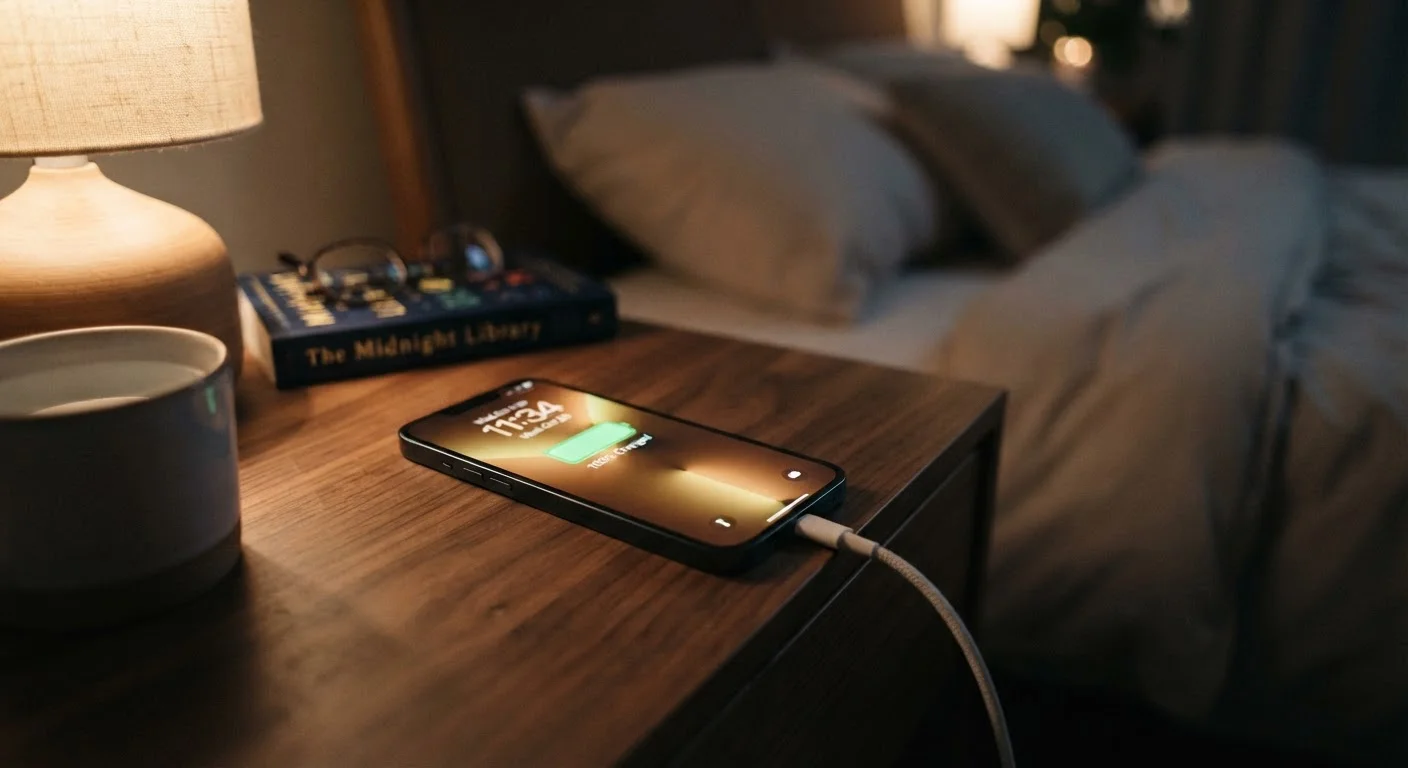
Photo: QuickSearches.net | It Doesn't Get Quicker Than This! editorial
Key Takeaways
- Modern lithium-ion batteries don't need to be fully drained before recharging.
- Overnight charging is generally safe on modern devices, but heat is a real concern.
- Keeping your battery between 20% and 80% can meaningfully extend its long-term health.
- Third-party chargers aren't automatically dangerous, but quality and certification matter.
- Battery capacity naturally declines over time - no charging habit eliminates that completely.
Why Charging Advice Gets So Confusing
Smartphone charging advice is everywhere - from Reddit threads to your cousin who "works in IT." The problem is that much of it dates back to older battery technologies like nickel-cadmium or nickel-metal hydride cells, which behaved very differently from the lithium-ion (Li-ion) batteries inside virtually every modern phone, tablet, and laptop. Applying old rules to today's devices can actually do more harm than good.
Understanding what's real versus what's myth starts with one key fact: Li-ion batteries have specific stress points - heat, deep discharges, and prolonged time at 100% charge - that don't match the folk wisdom most people have inherited. The myths below cover the most common misconceptions, and what battery science actually tells us instead. For a broader look at what's draining your phone, see why your phone battery drains so fast.
The Most Persistent Charging Myths - Corrected
These are the charging beliefs that surface most often, along with what the evidence actually shows.
Myth
You should drain your battery to 0% before recharging to keep it healthy.
Fact
Fully discharging a lithium-ion battery repeatedly is one of the fastest ways to degrade it.
This rule applied to older nickel-cadmium batteries, which developed a "memory effect" if charged before fully depleted. Lithium-ion batteries have no such memory. In fact, each full discharge cycle from 100% to 0% counts as a deep cycle - and Li-ion cells are rated for a finite number of those. Manufacturers including Apple and Samsung recommend avoiding full discharges whenever possible. Partial charges from, say, 40% to 80% are far gentler on the chemistry and accumulate far less wear per charge event.
Myth
Leaving your phone plugged in overnight will overcharge the battery and ruin it.
Fact
Modern devices have charge controllers that stop drawing power once the battery hits 100%, preventing true overcharge.
The concern isn't entirely baseless - it's just misdirected. The real issue with overnight charging isn't overcharging (which your phone's hardware prevents), but heat and sustained time at 100% charge. Li-ion batteries experience more chemical stress when held at full capacity for extended periods, and charging generates warmth. A phone sitting at 100% on a warm charging pad for eight hours isn't in danger of explosion, but it does accumulate incremental wear that adds up over months and years. Features like Apple's Optimized Battery Charging and Android's Adaptive Charging were specifically designed to address this by pausing charging at around 80% until you need the device.
Myth
Using a third-party charger will automatically damage your phone.
Fact
Charger quality varies widely, but certified third-party chargers from reputable manufacturers are generally safe.
The risk isn't "third-party" versus "official" - it's uncertified versus certified. Chargers that carry legitimate safety certifications (such as UL listing in the US) and are built to the correct USB Power Delivery or proprietary fast-charging standards have been tested to provide safe, appropriate power. Extremely cheap, uncertified chargers - particularly those sold without any brand name or documentation - can deliver inconsistent voltage and pose genuine risks. The practical takeaway: don't assume a charger is safe just because it fits your port, and don't assume it's dangerous just because it didn't come in your phone's box.
Myth
Keeping your phone plugged in all day at your desk is perfectly fine.
Fact
Prolonged charging at 100% combined with heat from normal device use can accelerate battery aging.
Desk workers who plug in and work heavily all day are often unknowingly stressing their batteries. When your device sits at 100% charge while also running demanding apps, the combination of heat and high state-of-charge creates conditions that degrade Li-ion cells more quickly than moderate, partial charging would. A simple workaround: keep your battery in the 20-80% range during heavy work sessions rather than staying plugged in continuously. Many Android phones allow you to set a charge limit in battery settings - check whether your specific device offers this feature.
Myth
Fast charging is bad for your battery and you should avoid it.
Fact
Fast charging is safe when used with compatible hardware, though it does generate more heat than standard charging.
Fast charging is engineered to be safe within the parameters the device and charger are designed for - the phone's charge controller manages current and voltage throughout the process. The nuance is that fast charging generates more heat than slower alternatives, and heat is the real enemy of Li-ion longevity. Using fast charging for a quick top-up when you're short on time is a perfectly reasonable trade-off. Using it as your only charging method, especially in warm environments or with a case that traps heat, will contribute slightly more wear over time. It's a trade-off to be aware of, not a practice to panic about.
Heat Is the Biggest Real Threat to Your Battery
Practical Habits That Actually Help
You don't need to obsess over your battery percentage every hour. A few consistent, low-effort habits make the biggest real-world difference:
- Charge in shorter sessions rather than one long overnight block when practical.
- Remove your phone from its case if it feels warm while charging - trapped heat accelerates degradation.
- Use manufacturer-certified cables and adapters - not because off-brand chargers are always dangerous, but because certified accessories are tested to deliver the right voltage and current for your specific device.
- Enable built-in battery optimization settings - most modern iOS and Android devices include features that learn your schedule and slow the final charging stage to reduce time at 100%.
For a full picture of habits that add real longevity to your device, see habits that extend your phone's useful life. And if you've noticed that your battery myths share something in common with other household cost-cutters, the same pattern of outdated advice affecting spending shows up in car maintenance myths that cost money.
300-500
Typical full charge cycles before noticeable Li-ion capacity loss
Battery University, a widely cited resource on electrochemical cell research, notes that most Li-ion cells retain roughly 80% capacity after 300-500 full charge cycles, with degradation accelerating beyond that point.
~20°C
Optimal storage temperature for lithium-ion batteries
Research from electrochemical engineering literature consistently identifies temperatures around 20°C (68°F) as the range that minimizes Li-ion degradation during storage and charging.
The content on this site is provided for informational purposes only and should not be considered a substitute for professional advice. While we strive to provide accurate and up-to-date information, we make no guarantees regarding its completeness or accuracy. Always consult a qualified professional for advice specific to your circumstances before making any decisions