
Car Maintenance Myths That Are Costing You Money

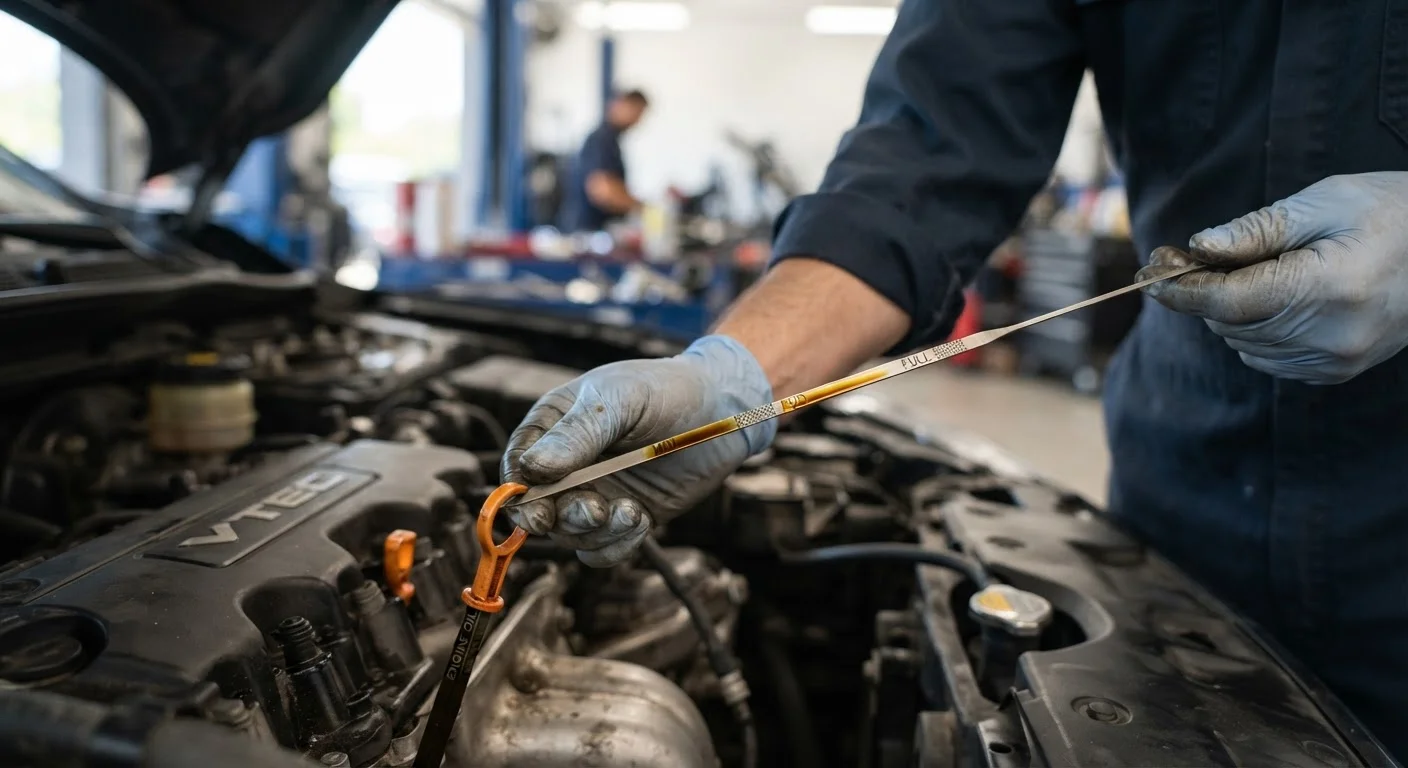
Photo: QuickSearches.net | It Doesn't Get Quicker Than This! editorial
Key Takeaways
- Modern engines and synthetic oils often allow oil change intervals well beyond the old 3,000-mile rule.
- Most regular-grade vehicles gain no benefit from premium fuel - it's money wasted.
- Warming up your engine by idling is unnecessary with today's fuel-injected vehicles.
- Skipping manufacturer-recommended service intervals can void warranties and increase long-term costs.
- Tire rotation and coolant flushes are often neglected despite being among the highest-value maintenance tasks.
Where These Myths Come From - and Why They Persist
Car maintenance advice travels fast - from dealership waiting rooms to family driveways - and much of it was perfectly accurate decades ago. The problem is that automotive technology has changed dramatically since the 1970s and '80s, while the folk wisdom hasn't kept pace. Engines are more precisely engineered, lubricants have advanced, and onboard computer systems now manage functions that once required driver intervention.
The result is a set of widely believed rules that cost everyday drivers real money - either through unnecessary services or by ignoring maintenance that genuinely matters. Understanding what's fact and what's outdated habit is one of the most straightforward ways to reduce what you spend on ownership. For a broader look at managing those costs, see our complete overview of car ownership costs.
Myth
You need to change your oil every 3,000 miles, no exceptions.
Fact
Most modern vehicles - especially those using full synthetic oil - can go 5,000 to 10,000 miles or more between changes, depending on the manufacturer's guidance.
The 3,000-mile rule originated in the era of conventional motor oil and older engine designs. Today's synthetic and synthetic-blend oils are engineered to maintain their protective properties far longer. Your owner's manual specifies the correct interval for your vehicle - following it, rather than the generic advice on a quick-lube sticker, is the accurate approach. Changing oil more frequently than necessary wastes money without adding meaningful protection.
Myth
Premium fuel gives any car better performance and fuel economy.
Fact
Premium fuel only benefits engines specifically designed or required to use it. For vehicles rated for regular-grade fuel, premium provides no measurable gain.
Higher-octane fuel resists pre-ignition (engine knock) in high-compression or turbocharged engines that are engineered for it. If your vehicle's manual says "regular recommended," spending extra on premium is simply a cost with no return. Check the fuel door or owner's manual - "required" means premium is necessary; "recommended" means regular will work fine in most conditions.
Myth
You should let your engine warm up by idling for several minutes before driving in cold weather.
Fact
Modern fuel-injected engines warm up more efficiently by being driven gently, not by extended idling.
Extended idling before driving is a carryover from the carburetor era, when engines needed time to stabilize fuel delivery in cold temperatures. Fuel-injected engines - standard on virtually all vehicles sold in the past few decades - are designed to reach operating temperature through normal driving. Idling for several minutes burns fuel unnecessarily and can actually wash oil from cylinder walls in some conditions. A brief 30-second warm-up is sufficient in most climates before driving away gently.
Myth
If the car seems to be running fine, you can skip scheduled maintenance.
Fact
Many serious mechanical issues develop without obvious symptoms. Scheduled maintenance catches problems early and can preserve your warranty coverage.
Brake fluid absorbs moisture over time, coolant loses its protective properties, and transmission fluid degrades - none of these changes produce obvious warning signs until damage is underway. Manufacturer service intervals are calibrated to address these invisible degradation timelines. Skipping them to save money in the short term frequently leads to significantly larger repair bills later, and can void powertrain or extended warranty coverage.
Myth
Washing and waxing a car is just cosmetic - it doesn't affect the vehicle's value or mechanics.
Fact
Regular washing and waxing protects paint, prevents rust, and helps preserve resale value - especially in regions where road salt is used.
Paint isn't merely decorative - it is a corrosion barrier. Road salt, bird droppings, and UV exposure degrade clear coat and paint, eventually exposing bare metal to rust. Rust that reaches structural or mechanical components creates expensive repair needs. Vehicles with well-maintained exteriors also command meaningfully higher resale values. Regular washing, particularly of the undercarriage in winter-road regions, is a legitimate maintenance investment.
Myth
Dealers are the only ones who can service your car without voiding the warranty.
Fact
Federal law generally protects your right to have your vehicle serviced by independent mechanics without voiding the manufacturer's warranty, as long as the correct parts and procedures are used.
Under the Magnuson-Moss Warranty Act, manufacturers generally cannot void a warranty simply because you had routine maintenance performed at an independent shop. What matters is that the work meets the manufacturer's specifications and is documented. Keep all service records regardless of where work is performed. That said, warranty-related repairs that fall under the manufacturer's coverage typically do need to go through an authorized dealer or service center - confirm the specifics in your warranty documentation.
The Maintenance Habits That Actually Matter
Cutting through mythology also means recognizing which maintenance tasks genuinely deliver value. Tire rotations, for example, are frequently skipped but cost relatively little and extend tire life significantly - a meaningful saving given how much a full set of tires costs. Coolant system flushes are similarly under-appreciated: degraded coolant becomes acidic and can corrode internal components over time.
Your owner's manual remains the most reliable guide to what your specific vehicle actually needs and when. Manufacturer service schedules are designed around your car's engineering - not generalized fear about what might go wrong. Drivers of older vehicles will find additional guidance in our article on keeping a high-mileage car running without breaking the bank.
Don't Rely Solely on Warning Lights
Making informed decisions about fuel use also connects to broader driving behavior. Small adjustments in how and when you drive can meaningfully reduce fuel spend - our piece on fuel economy habits that make a measurable difference breaks down exactly which changes move the needle.
The content on this site is provided for informational purposes only and should not be considered a substitute for professional advice. While we strive to provide accurate and up-to-date information, we make no guarantees regarding its completeness or accuracy. Always consult a qualified professional for advice specific to your circumstances before making any decisions