
Room-by-Room Decluttering: A Practical Checklist for Every Space in Your Home

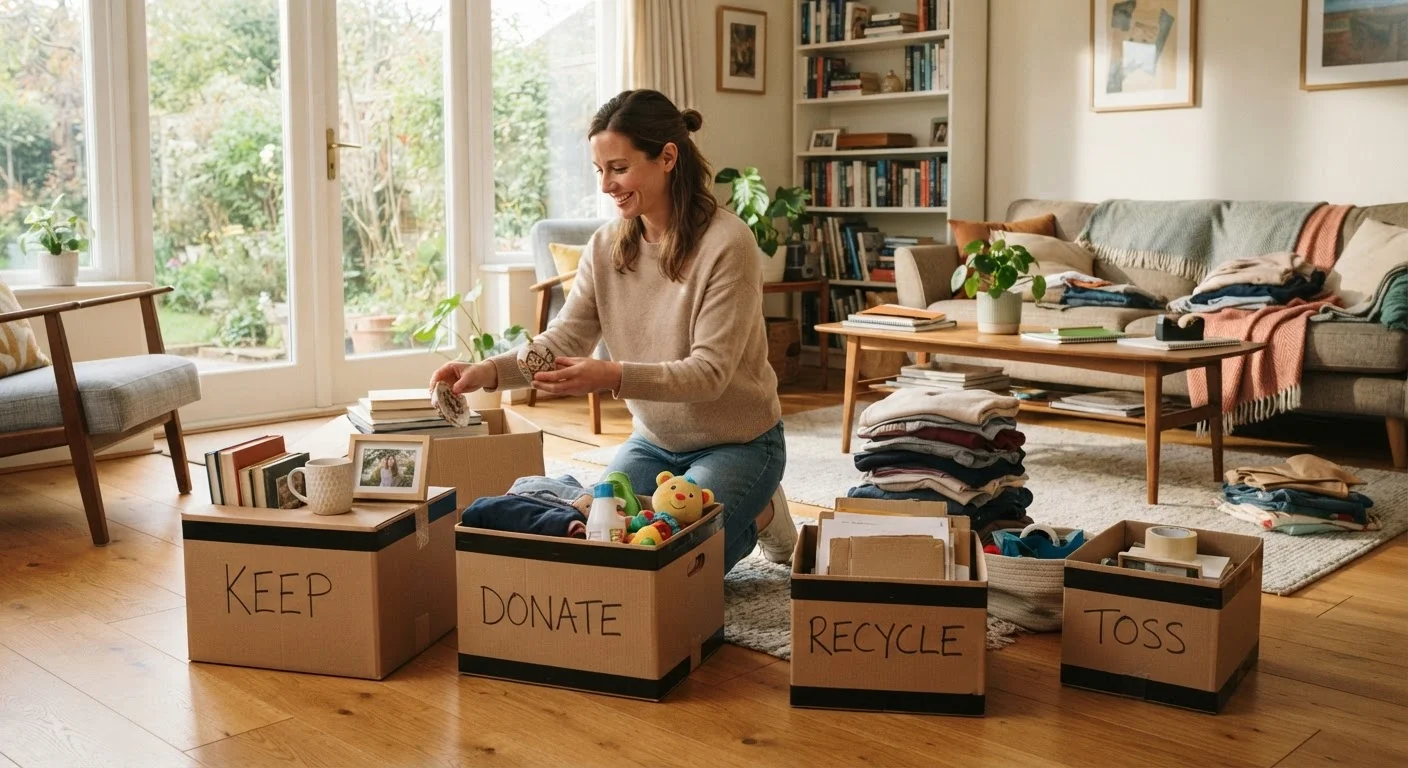
Photo: QuickSearches.net | It Doesn't Get Quicker Than This! editorial
Key Takeaways
- Tackling one room at a time prevents overwhelm and produces visible, motivating results.
- Setting up four sorting categories before you begin - keep, donate, trash, relocate - saves decision fatigue.
- High-traffic areas like kitchens and entryways benefit most from regular, brief declutter sessions.
- Storage solutions should come after decluttering, never before - buying organizers for clutter wastes money.
- Enlisting household members early reduces conflict and creates shared accountability.
Why Room-by-Room Works
Decluttering an entire home at once is a fast track to burnout. The room-by-room method works because it gives you a clear start and end point, a visible win each session, and a natural way to prioritize the spaces that affect your daily life most. Unlike category-based approaches - see how those compare in our guide to the KonMari method - working by room keeps your home functional while you're in progress.
Before you open a single drawer, set up four physical containers or designated floor zones: Keep, Donate/Sell, Trash/Recycle, and Relocate (items that belong in another room). This simple system eliminates repeated decision-making and keeps momentum going. Once you finish a room, immediately remove the donate and trash piles - don't let them linger and migrate back.
Sorting Containers or Boxes
Hold your four categories (Keep, Donate/Sell, Trash, Relocate) as you work through each room.
Permanent Marker and Labels
Mark boxes and storage containers so contents are clear after decluttering is complete.
Trash Bags (standard and heavy-duty)
Collect discards quickly; heavy-duty bags handle heavier garage or basement items.
Donation Bags or Boxes
Keep donated items separate from trash so they're ready to drop off immediately after each session.
Timer or Phone App
Set work intervals (e.g., 25-minute blocks) to maintain focus without exhaustion.
Notepad or Digital List
Record items needing follow-up - like finding a specialty recycler for old electronics - without breaking your work flow.
The Room-by-Room Checklist
Work through each space below using the checklist groups. Start with the room that bothers you most - quick wins in a high-visibility area build the motivation to keep going. If you share your home with others, reviewing strategies for households with different tidiness standards before you start can prevent friction over shared items.
Before You Begin
Kitchen
Living Room
Bedrooms
Bathrooms
Entryway and Hallways
Garage, Basement, or Storage Areas
Don't Buy Storage Before You Declutter
Once you've completed the full sweep, a seasonal decluttering rhythm can help you prevent buildup from returning. For a broader system covering every organizational challenge in your home, the Complete Home Organization Playbook is a natural next step.
Making the Results Last
Decluttering creates the conditions for an organized home - but it's the habits you establish afterward that keep it that way. Designate a permanent home for every item you decide to keep. If something doesn't have a logical place, question whether you actually need it.
Avoid the common mistake of rushing to buy organizers, bins, or shelving units before you've finished clearing out. Storage solutions should fit what you actually have left, not what you had before. Measure your remaining items and available space first, then shop with a specific purpose in mind.
Finally, set a brief monthly check-in for your highest-traffic spaces - the kitchen counter, entryway, and bathroom vanity tend to re-accumulate fastest. A 10-minute reset is far easier than another full declutter session. For a yearly structural review of your home's condition alongside its organization, consider pairing this checklist with an annual home inspection checklist.
The content on this site is provided for informational purposes only and should not be considered a substitute for professional advice. While we strive to provide accurate and up-to-date information, we make no guarantees regarding its completeness or accuracy. Always consult a qualified professional for advice specific to your circumstances before making any decisions