
Small Upgrades That Change How a Home Feels Every Day

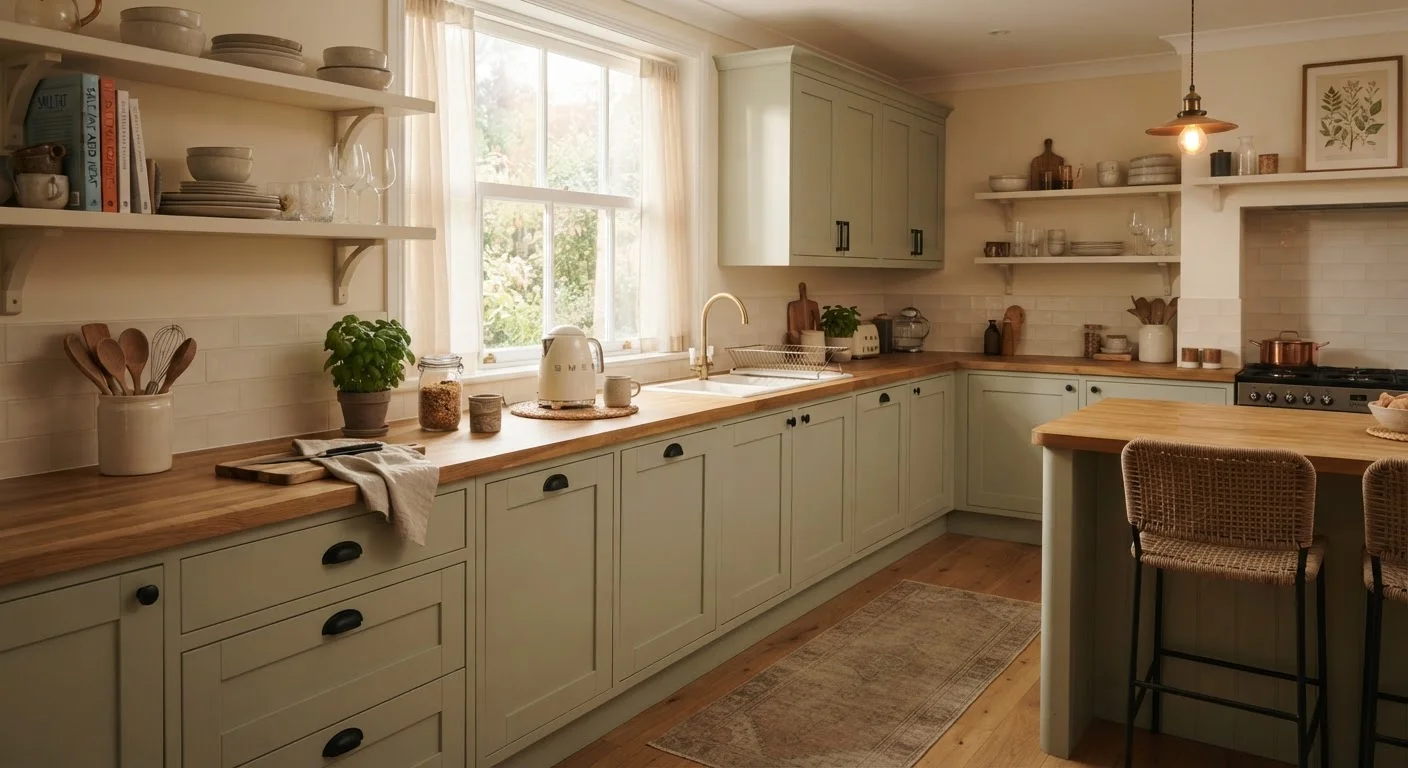
Photo: QuickSearches.net | It Doesn't Get Quicker Than This! editorial
Key Takeaways
- Most impactful home upgrades cost under $50 and require no special skills or tools.
- Lighting quality, door hardware, and drawer function affect daily comfort more than most homeowners realize.
- Addressing minor friction points - sticking doors, rattling cabinets - reduces low-level stress over time.
- Small upgrades are a practical alternative to expensive renovations without sacrificing noticeable improvement.
- Consistency matters: tackling a few small fixes per month compounds into a dramatically better-feeling home.
Why Small Fixes Make a Bigger Difference Than You'd Expect
You don't need a full renovation to change how your home feels. The daily experience of living somewhere is shaped far more by the small frictions you encounter - a drawer that sticks, a light that's too harsh, a door hinge that groans - than by the square footage or the finishes. These are the things you interact with dozens of times a day, and fixing them is usually faster and cheaper than most homeowners assume.
None of the upgrades on this list require a contractor, and most can be completed in under an hour. Think of them as quality-of-life investments: small in cost, lasting in effect. If you're also thinking about bigger projects, it's worth understanding what a full kitchen remodel actually involves - but for most households, starting here is the smarter move.
Swap Out Overhead Lights for Layered Lighting
Single overhead fixtures are the most common lighting mistake in American homes. They create flat, often harsh light that makes rooms feel institutional rather than comfortable. The fix is layering: add a floor lamp in a dim reading corner, plug-in sconces near a sofa, or under-cabinet lighting in a kitchen. Warm-toned bulbs (look for a color temperature around 2700K on the packaging) make spaces feel noticeably more inviting than cool-white alternatives. You don't need to rewire anything - most layered lighting solutions plug in or run on batteries.
Layered, warm-toned lighting transforms a room's mood without any electrical work.
Lubricate Sticking Drawers and Sliding Doors
A drawer that resists opening is a minor irritant that accumulates into real frustration over months and years. For wooden drawers, rubbing a wax candle or bar of soap along the drawer slides takes about 60 seconds and typically solves the problem immediately. For metal slides, a dry silicone spray (available at most hardware stores) is more appropriate. Sliding closet doors respond well to the same treatment applied to the track. These fixes cost almost nothing and deliver an immediate, satisfying result every time you use that drawer or door afterward.
A wax candle rubbed on wooden drawer slides solves sticking in under a minute.
Silence Squeaky and Slamming Doors
Squeaky hinges and doors that slam shut are easy to overlook individually, but they add up to a home that feels worn and slightly chaotic. For squeaky hinges, a drop of 3-in-1 oil or petroleum jelly worked into the hinge pin - ideally tapped out with a screwdriver and hammer - usually eliminates the noise entirely. For doors that slam, self-adhesive foam bumpers applied to the door stop are inexpensive and effective. If a door swings open or closed on its own, try tightening the hinge screws first; if the screw holes are stripped, wooden toothpicks dipped in wood glue can restore the grip.
A drop of oil in the hinge pin silences a squeaky door in minutes.
Replace Dated Cabinet and Door Hardware
Hardware is to cabinetry what jewelry is to an outfit - a small detail that shifts the overall impression considerably. Swapping out worn, mismatched, or visually dated knobs and pulls is one of the most cost-effective cosmetic upgrades you can make. A screwdriver is typically all you need. The one practical consideration: measure the center-to-center distance between existing screw holes on drawer pulls before purchasing replacements, so you're not left patching unnecessary holes. Choosing a consistent finish throughout a kitchen or bathroom - rather than mixing metals - creates a more intentional, polished look without any renovation required.
Consistent hardware finishes throughout a kitchen create a polished look with just a screwdriver.
Add Soft-Close Mechanisms to Cabinets
If your kitchen or bathroom cabinets currently slam, adhesive soft-close bumpers offer an immediate improvement for just a few dollars per cabinet. For a more complete solution, hydraulic soft-close hinge inserts - which replace or clip onto existing hinges - slow the door automatically over the last inch of travel. Neither option requires removing the cabinet door or any specialized tools. The difference in daily experience is subtle but cumulative: a kitchen where nothing slams simply feels calmer, especially during busy mornings or evenings with multiple people moving around.
Soft-close hinge inserts cost just a few dollars per cabinet and eliminate slamming entirely.
Seal Drafty Windows and Doors with Weatherstripping
Cold drafts near windows and exterior doors are a comfort and efficiency problem. Self-adhesive foam or V-strip weatherstripping - both available at hardware stores in pre-cut rolls - can be applied without special tools to seal gaps along door frames or window sashes. Before applying, clean the surface thoroughly so the adhesive bonds properly. This upgrade pays dividends year-round: reducing drafts in winter and keeping conditioned air in during summer. For renters or those in rented spaces, removable rope caulk is a non-damaging temporary option for window gaps. Pair this with a look at maintenance tasks homeowners commonly overlook to keep small issues from compounding.
Self-adhesive weatherstripping applied to door frames reduces drafts and improves comfort in under an hour.
Upgrade Showerheads and Faucet Aerators
A showerhead that delivers weak, scattered spray makes every shower feel like a compromise. Most showerheads attach to a standard half-inch threaded pipe and can be replaced in 10-15 minutes using an adjustable wrench - no plumber required. Similarly, faucet aerators (the small screen at the tip of a sink faucet) can become clogged with mineral deposits over time, reducing flow and causing splashing. Unscrewing and cleaning or replacing an aerator restores normal flow and is often overlooked as a source of daily annoyance. Check that any replacement faucet aerator matches the thread size of your existing faucet before purchasing.
Replacing a showerhead takes 15 minutes and can transform the daily shower experience.
Keep the Momentum Going
The best approach is to treat these upgrades as an ongoing habit rather than a one-time project. Walk through your home with fresh eyes once a month and note what quietly annoys you - those are your highest-priority fixes. A structured home maintenance schedule can help you stay consistent without feeling overwhelmed.
Once the friction points are handled, you might find yourself curious about the next level - automation, smarter organization, or even easy-to-use smart home devices that further simplify daily routines. But the foundation is always the same: a home that works smoothly, feels calm, and doesn't quietly wear you down.
Start With What Annoys You Most
The content on this site is provided for informational purposes only and should not be considered a substitute for professional advice. While we strive to provide accurate and up-to-date information, we make no guarantees regarding its completeness or accuracy. Always consult a qualified professional for advice specific to your circumstances before making any decisions