
Building a Home Maintenance Schedule That Actually Works

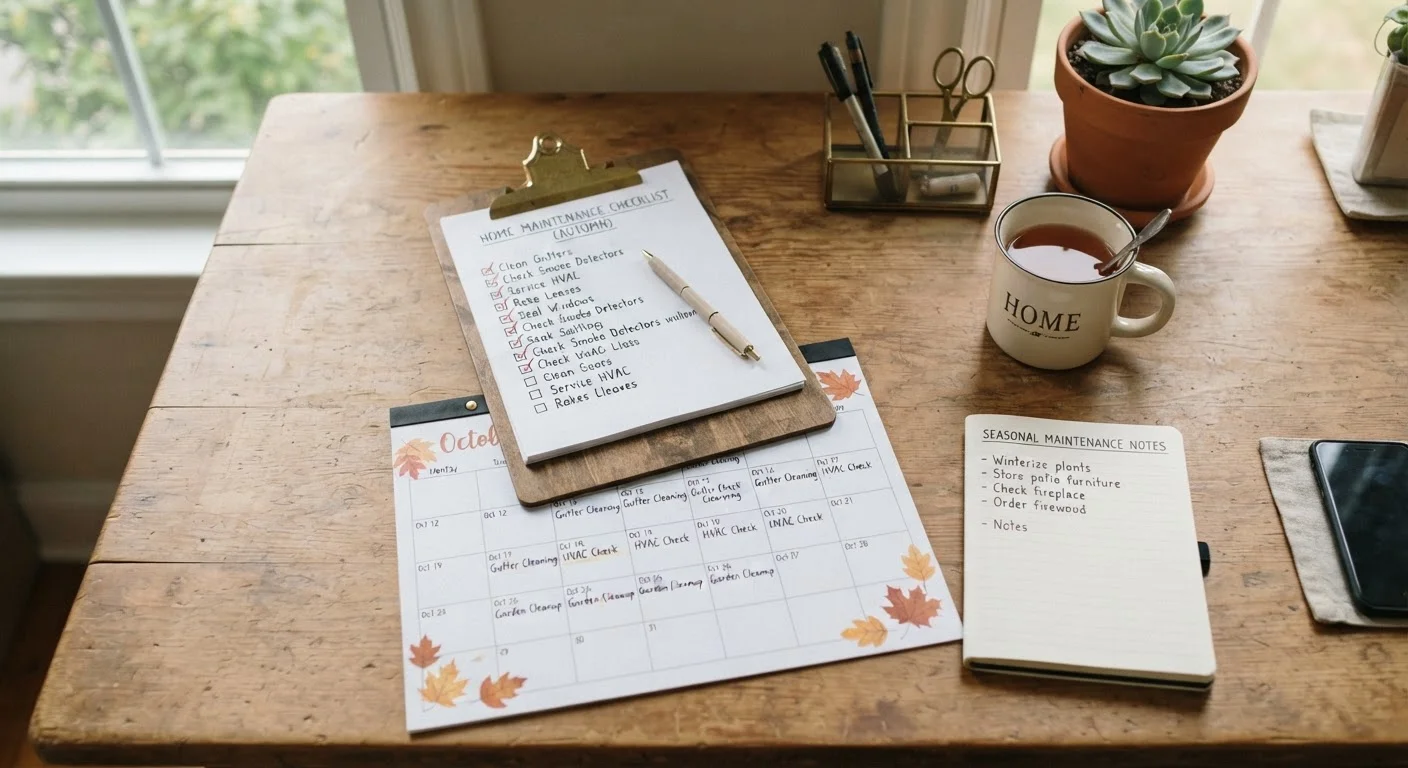
Photo: QuickSearches.net | It Doesn't Get Quicker Than This! editorial
Key Takeaways
- Organizing maintenance by season prevents overwhelm and keeps critical tasks from slipping through the cracks.
- A written or digital schedule is more reliable than relying on memory or reacting to visible problems.
- Most home systems need attention on predictable cycles: monthly, quarterly, or annually.
- Pairing maintenance tasks with calendar events or existing habits dramatically improves follow-through.
- Tracking completed work creates a valuable paper trail for warranties, resale, and insurance purposes.
Why Most Maintenance Plans Fall Apart
Most homeowners start with good intentions - a checklist downloaded from somewhere, a vague plan to handle things seasonally - and then life intervenes. The list gets lost, a task gets skipped once and then indefinitely, and suddenly the furnace hasn't been serviced in three years. The problem isn't motivation. It's structure.
An effective maintenance schedule works because it removes the decision of when and what from the moment of action. When a task is already in your calendar with a specific date, it competes with other commitments rather than getting lost in a mental backlog. The tasks most new owners forget until something breaks tend to be exactly the ones without a visible trigger - no obvious sign of failure until it's too late.
The goal of a working schedule is not perfection. It's consistency: catching the 80% of routine maintenance that prevents the most common and costly failures.
Start Simple, Then Add Detail
What You'll Need Before You Start
Gather the inputs that inform your schedule before building it. Your home inspection report, appliance manuals, and any records from previous owners are the most useful starting points. If you don't have manuals, most manufacturers publish them online by model number.
What you will need
Digital or paper calendar
Used to schedule recurring maintenance tasks across months and seasons.
Home inventory or maintenance app
Tracks completed tasks, stores appliance info, and sends reminders automatically.
Home inspection report
Identifies known issues and system ages that inform maintenance priority and timing.
Appliance manuals and warranty documents
Provide manufacturer-recommended service intervals for each appliance and system.
Building and Maintaining Your Schedule
Follow the steps below to build a maintenance schedule calibrated to your specific home - not a generic template that may not match your systems, climate, or lifestyle.
Audit every system and surface in your home
Before building any schedule, take stock of what you actually own. Walk through each room and note every system and component: HVAC unit, water heater, roof age, gutters, smoke detectors, appliances, plumbing fixtures, windows, and exterior siding. Pull your home inspection report if you have one - it often lists system ages and flagged concerns. This audit becomes the raw input for your schedule.
Categorize tasks by frequency
Group every task from your audit into three buckets: monthly (replace HVAC filters, test smoke and CO detectors, run water in unused fixtures), quarterly (inspect weatherstripping, clean range hood filters, flush water softener), and annual or seasonal (roof inspection, gutter cleaning, HVAC tune-up, caulking around windows and doors). This structure prevents the list from becoming one undifferentiated wall of chores.
Map tasks to seasons, not just months
Seasonal logic makes scheduling intuitive. Spring: inspect roof after winter, service AC before heat arrives, reseal driveway cracks. Summer: check irrigation systems, clean dryer vents, inspect deck or patio for damage. Fall: clean gutters after leaves drop, schedule furnace servicing, drain outdoor hoses and irrigation lines. Winter: monitor for ice dams in cold climates, test sump pump, check insulation in unheated spaces. When tasks align with seasonal transitions, they're easier to remember and act on.
Enter everything into a single, visible system
Choose one tool and commit to it. A shared digital calendar works well for households with multiple people. A simple spreadsheet with columns for task, frequency, last completed, and next due date is equally effective. Avoid splitting tasks across sticky notes, texts, and memory - fragmentation is how things get missed. Set recurring reminders for monthly tasks and calendar blocks for seasonal ones.
Log every completed task with a date
Each time you finish a maintenance item, record it. This log tells you when a filter was last changed, when the furnace was last serviced, and whether the roof was inspected after the last major storm. That history is genuinely useful: it supports warranty claims, helps licensed contractors diagnose problems faster, and can demonstrate to a future buyer that the home was well cared for. See our guide to keeping good records as a homeowner for a practical filing system to pair with your schedule.
Review and adjust the schedule annually
Your home changes over time - appliances age, you make improvements, or a hard winter reveals a new vulnerability. Set aside time once a year, ideally in late winter or early spring, to review your entire maintenance plan. Add tasks for any new systems, retire tasks for removed ones, and update service intervals if a contractor recommends a change. Our annual home checkup checklist is a useful companion for this review.
Don't Confuse Maintenance With Repairs
Electrical, Gas, and Structural Work Requires Licensed Professionals
Making It a Household Habit
A schedule only works if the people in the home actually use it. If you share your home, assign ownership of specific tasks rather than leaving them collectively unowned. Research on household task management consistently shows that ambiguous responsibility leads to tasks being skipped - someone assumes the other person handled it.
Anchor maintenance tasks to existing routines where possible. Changing HVAC filters when you pay a monthly bill, or checking weatherstripping when you switch seasonal wardrobes, creates a natural rhythm without requiring extra calendar vigilance. For ideas on building shared systems that stick, see our piece on organizing a home when everyone has different standards.
Over time, a consistent maintenance habit shifts your relationship with homeownership from reactive to proactive - which is ultimately how you protect both your investment and your budget.
The content on this site is provided for informational purposes only and should not be considered a substitute for professional advice. While we strive to provide accurate and up-to-date information, we make no guarantees regarding its completeness or accuracy. Always consult a qualified professional for advice specific to your circumstances before making any decisions