
Sodium in the American Diet: What the Numbers Mean

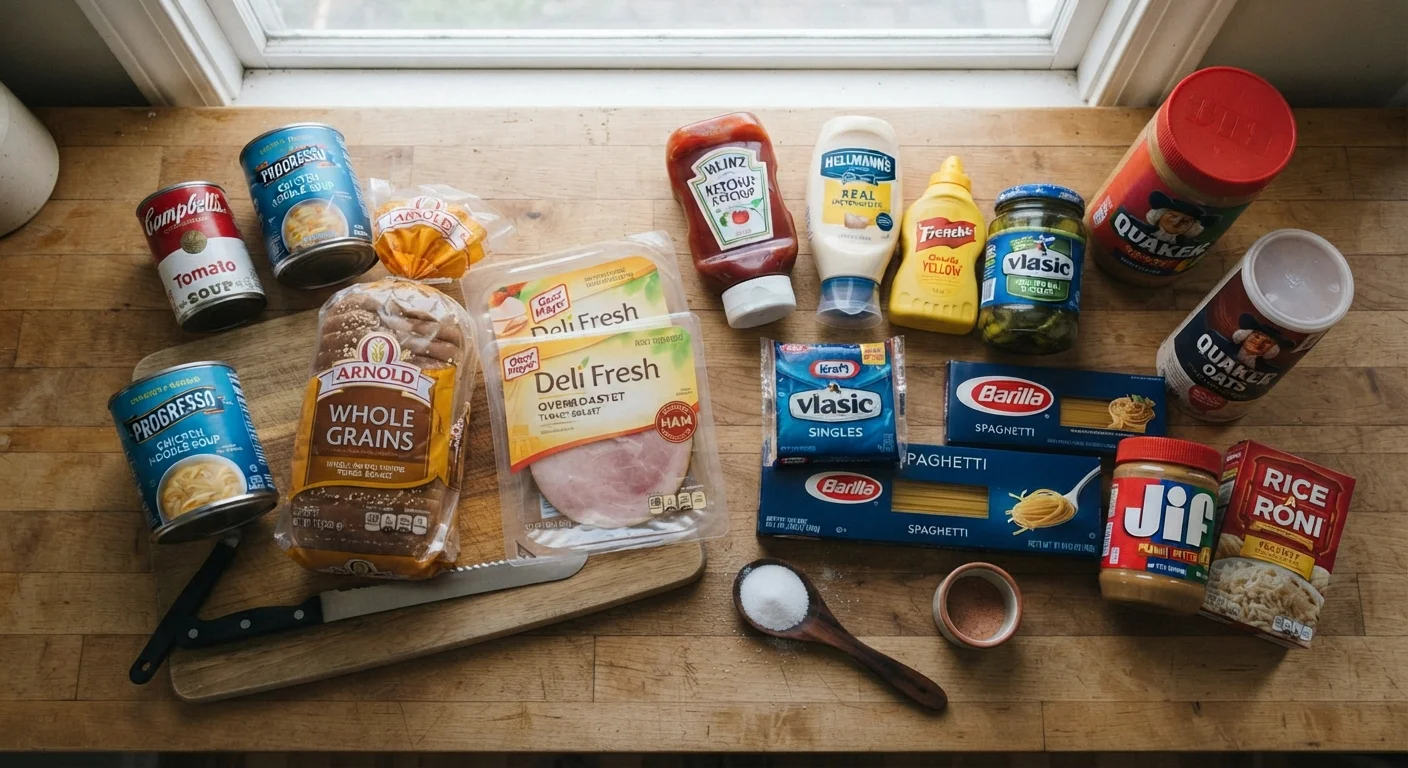
Photo: QuickSearches.net | It Doesn't Get Quicker Than This! editorial
Key Takeaways
- The Dietary Guidelines for Americans recommend no more than 2,300 mg of sodium per day for most adults.
- Most Americans consume an average of about 3,400 mg of sodium daily - nearly 50% above the recommended limit.
- More than 70% of the sodium Americans eat comes from packaged, processed, and restaurant foods, not the salt shaker.
- The % Daily Value for sodium on a nutrition label helps you quickly gauge whether a food is high or low in sodium.
- Even modest reductions in daily sodium intake are associated with meaningful benefits for cardiovascular health, according to public health research.
Why Sodium Gets So Much Attention
Sodium is an essential nutrient - but the amount that's essential is quite small compared to what most Americans actually consume. The body uses sodium to maintain fluid balance, transmit nerve signals, and keep muscles working properly. However, consistently high sodium intake has been linked by major health organizations, including the Centers for Disease Control and Prevention (CDC) and the American Heart Association, to elevated blood pressure, which is itself a significant risk factor for heart disease and stroke.
The numbers tell a clear story: national dietary data consistently shows average sodium consumption around 3,400 mg per day - well above the 2,300 mg daily limit recommended in the Dietary Guidelines for Americans. Understanding where that excess comes from is the first step toward making sense of the numbers.
3,400 mg
Average daily sodium intake for U.S. adults
According to the CDC, this is approximately 48% more than the 2,300 mg daily limit recommended by the Dietary Guidelines for Americans.
70%+
Sodium from packaged and restaurant foods
The CDC estimates that more than 70% of daily sodium intake comes from processed, packaged, and restaurant foods - not salt added during cooking or at the table.
2,300 mg
Recommended daily sodium limit for most adults
This is the upper limit set by the Dietary Guidelines for Americans; it corresponds to about one teaspoon of table salt.
Reading Sodium on a Nutrition Facts Label
Every packaged food sold in the U.S. is required to list sodium content on its Nutrition Facts label, expressed in milligrams (mg) per serving alongside a % Daily Value (% DV). The % DV is anchored to 2,300 mg: a food showing 10% DV contains 230 mg of sodium per serving.
A quick rule of thumb widely used by nutrition educators: 5% DV or less is low; 20% DV or more is high. Anything in between is moderate. For a deeper walkthrough of how every part of the label works together, see Reading a Nutrition Facts Label Without the Guesswork.
One common pitfall: serving sizes. A can of soup might list 890 mg per serving, but the can contains two servings - meaning the full can delivers close to 1,800 mg, nearly an entire day's worth for some people. Always check the serving size before drawing conclusions from the sodium number.
Use % Daily Value as Your Quick Guide
Where Most Sodium Actually Comes From
It's easy to assume the salt shaker is the main culprit, but research consistently shows that only a small fraction of daily sodium comes from salt added at the table. According to the CDC, more than 70% of sodium Americans consume comes from packaged, processed, and restaurant foods - often from sources that don't taste overtly salty.
Bread is one of the leading sodium contributors in the American diet, not because any single slice is extremely high, but because most people eat it multiple times a day. Canned soups, deli meats, cheese, pizza, and fast food regularly deliver hundreds of milligrams per portion. Even foods perceived as healthy - like cottage cheese, canned beans, or vegetable juices - can carry significant sodium loads depending on how they are processed.
This context matters because it shifts the focus of sodium management away from the salt shaker and toward label reading and food selection. Just as understanding added sugars (see Sugar on the Label: Added Sugars vs. Natural Sugars) requires looking past surface impressions, managing sodium means learning to identify it across ingredient lists.
Practical Ways to Apply This Knowledge
Understanding sodium numbers is only useful if it translates into everyday decisions. A few research-supported strategies can help:
- Compare labels across similar products. Sodium can vary dramatically between brands of the same food - two canned tomato sauces might differ by 300 mg or more per serving.
- Look for "low sodium" or "no salt added" versions of pantry staples like canned beans, broths, and canned vegetables. These labels have federally regulated definitions: "low sodium" means 140 mg or less per serving.
- Cook more at home. Preparing meals from whole ingredients gives you direct control over how much sodium enters a dish.
- Rinse canned foods. Draining and rinsing canned beans or vegetables can reduce their sodium content meaningfully, though exact reduction varies.
Thinking about sodium alongside other nutritional considerations - like nutrient density vs. caloric density - helps build a more complete picture of a food's overall value.
This article is for general informational and educational purposes only and is not a substitute for professional medical or dietary advice. If you have specific health concerns related to sodium intake - including high blood pressure or kidney conditions - consult a qualified healthcare provider or registered dietitian.
Frequently Asked Questions
The content on this site is provided for informational purposes only and should not be considered a substitute for professional advice. While we strive to provide accurate and up-to-date information, we make no guarantees regarding its completeness or accuracy. Always consult a qualified professional for advice specific to your circumstances before making any decisions