
Sugar on the Label: Added Sugars vs. Natural Sugars

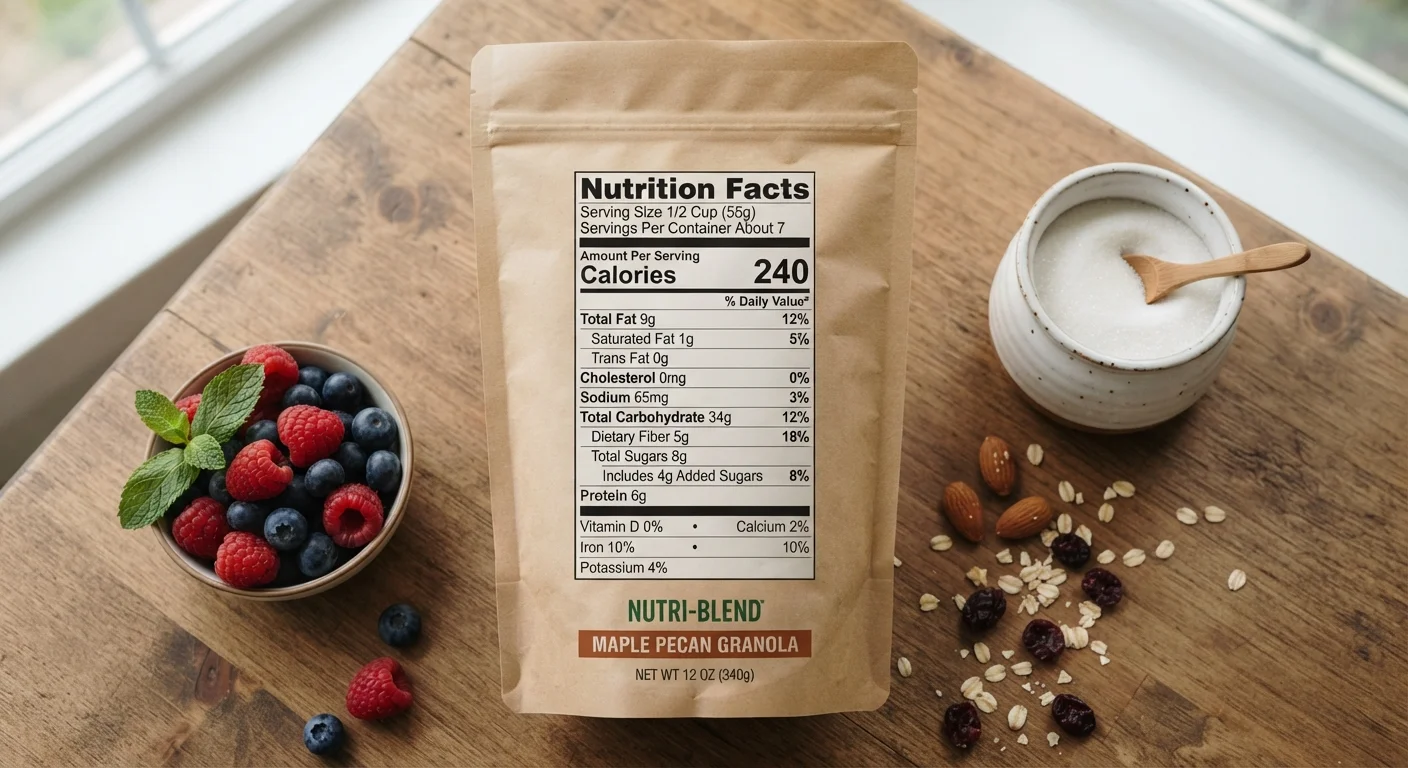
Photo: QuickSearches.net | It Doesn't Get Quicker Than This! editorial
Key Takeaways
- Added sugars are incorporated during manufacturing; natural sugars exist inherently in whole foods like fruit and dairy.
- The FDA now requires added sugars to be listed separately on Nutrition Facts labels, making it easier to track intake.
- The American Heart Association recommends limiting added sugars to no more than 25-36 grams per day for most adults.
- Natural sugars in whole foods come alongside fiber, protein, and micronutrients that slow absorption and add nutritional value.
- Both types count toward total sugar on a label, but their health implications differ considerably.
What the Label Is Actually Telling You
When you flip a package over and scan the Nutrition Facts label, the row labeled "Total Sugars" captures every gram of sugar in that food - regardless of where it came from. Directly beneath it, indented, sits a newer line: "Includes X g Added Sugars." The FDA mandated this distinction starting in 2020 to give consumers a clearer picture of what's in their food.
The difference matters because your body processes the context of a sugar - not just the molecule itself. A gram of glucose from a fresh apple arrives with water, fiber, and vitamins. A gram of glucose from a sweetened beverage arrives alone, absorbed rapidly, contributing calories without any accompanying nutrients.
For a full walkthrough of every row on the label, see Reading a Nutrition Facts Label Without the Guesswork.
| Criterion | Added Sugars | Natural Sugars |
|---|---|---|
| Source | Added during manufacturing or preparation | Inherent in whole foods (fruit, dairy, vegetables) |
| Common examples | HFCS, cane sugar, honey, agave, dextrose | Fructose in fruit, lactose in milk |
| Nutrient package | Calories with minimal nutritional benefit | Comes with fiber, vitamins, minerals, or protein |
| Absorption rate | Often rapid; no fiber to slow digestion | Moderated by accompanying fiber or protein |
| On the label | Listed separately as "Includes Added Sugars" | Part of "Total Sugars" but not broken out |
| Dietary guideline target | Specifically recommended for reduction | Not a primary reduction target for healthy adults |
Where Each Type of Sugar Comes From
Natural sugars are found inherently in whole foods. Fructose in fruit, lactose in milk and plain yogurt, and glucose in vegetables are all examples. These foods haven't been altered to add sweetness - the sugar is simply part of their natural composition.
Added sugars are introduced at some point during processing, preparation, or packaging. They appear under more than 60 names on ingredient lists, including high-fructose corn syrup, cane juice, dextrose, maltose, honey, agave nectar, and fruit juice concentrate. Even ingredients that sound wholesome - like brown rice syrup or evaporated cane juice - count as added sugars.
17 tsp
Average daily added sugar consumed by Americans
According to CDC data, American adults consume roughly 17 teaspoons of added sugar per day - well above major health organization recommendations.
60+
Names for added sugar on ingredient lists
The Sugar Science project at UCSF has identified over 60 different names manufacturers use for added sugars on ingredient labels.
This distinction connects to broader patterns in food processing. Just as refining grains strips away fiber and nutrients, adding sugars to processed foods often replaces the nutritional complexity that whole foods naturally provide. Whole Grains vs. Refined Grains explores a similar principle.
Why the Distinction Matters for Your Health
Dietary guidelines from both the U.S. Department of Agriculture and the American Heart Association (AHA) specifically target added sugars for reduction - not naturally occurring sugars. The AHA suggests most women limit added sugars to about 25 grams per day and most men to about 36 grams. A single 12-ounce sweetened soft drink can contain around 39 grams, exceeding those thresholds in one serving.
Natural sugars in whole foods are generally not a primary concern for healthy individuals, largely because the fiber and protein present in those foods moderate how quickly sugar enters the bloodstream. An orange and orange juice may contain similar amounts of total sugar, but the whole fruit's fiber slows absorption considerably.
That said, context always matters. People managing diabetes or specific metabolic conditions should speak with a registered dietitian or physician about total carbohydrate and sugar intake - including natural sources. This article provides general nutrition education and is not a substitute for personalized medical advice.
Understanding sugar labels pairs well with understanding other label components. Sodium in the American Diet covers how to decode another commonly overlooked label figure.
This article is for general informational and educational purposes only and is not medical or dietary advice. Please consult a qualified healthcare professional before making changes to your diet, especially if you have a health condition.
The content on this site is provided for informational purposes only and should not be considered a substitute for professional advice. While we strive to provide accurate and up-to-date information, we make no guarantees regarding its completeness or accuracy. Always consult a qualified professional for advice specific to your circumstances before making any decisions