
How to Respond When Your Brakes Stop Working

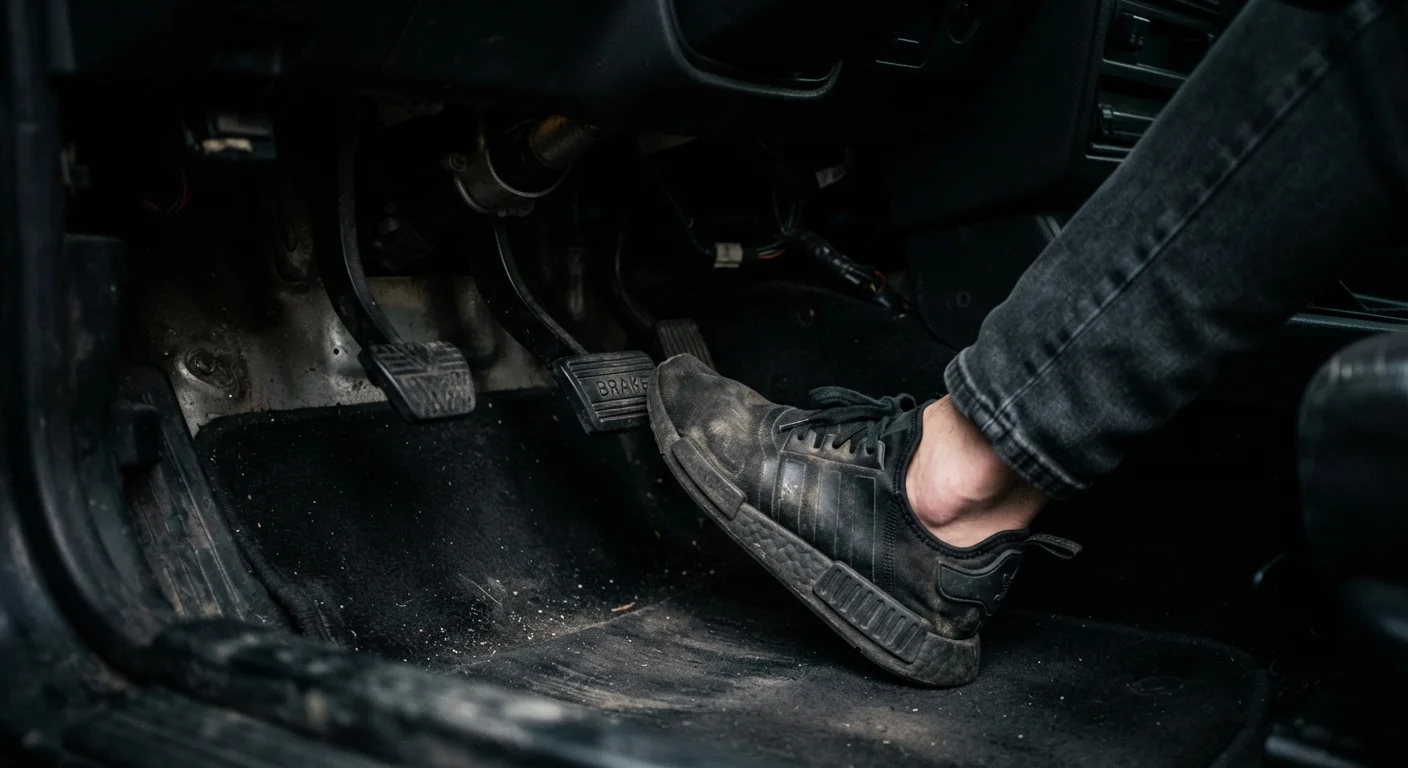
Photo: QuickSearches.net | It Doesn't Get Quicker Than This! editorial
Key Takeaways
- Brake failure is rarely total - most vehicles retain some stopping power through the pedal or parking brake.
- Pumping the brake pedal can restore hydraulic pressure in vehicles without ABS.
- Downshifting to a lower gear uses engine resistance to help slow the vehicle.
- The parking brake can bring a car to a stop but must be applied gradually to avoid a spin.
- Regular brake maintenance is the most effective way to prevent failure before it happens.
Why Brakes Fail and What It Actually Feels Like
Complete, sudden brake failure is uncommon in modern vehicles - but partial failure happens more often than drivers expect. The most frequent causes include a hydraulic fluid leak, a broken or worn brake line, overheated brake pads (known as brake fade on steep descents), or a failing master cylinder. Air entering the brake lines can also cause a spongy, unresponsive pedal.
In practice, failure often announces itself gradually: a pedal that feels softer than usual, a car that pulls to one side when braking, or a grinding noise that has been ignored for too long. Knowing these warning signs is the first line of defense. For context on how road conditions interact with stopping distances, see our guide on traction hazards on wet roads and black ice.
When the moment of failure arrives, the sensation is unmistakable: the pedal sinks to the floor with little or no resistance, or pressing it produces almost no deceleration. Your reaction in the next few seconds matters enormously.
Know Your Escape Route Before You Need One
What You'll Need Before You Begin
No tools are required in the moment - but familiarity with your vehicle is essential. Before an emergency ever occurs, take a few minutes to locate your parking brake and understand how it engages. Know whether your vehicle has ABS (check your owner's manual or look for the ABS indicator light on your dashboard). If you drive a manual, practice smooth downshifting so the motion is instinctive.
What you will need
Parking / Emergency Brake
Used as a secondary stopping mechanism when the primary brake system fails.
Vehicle's Gear Shifter
Used to downshift into lower gears to create engine braking resistance.
Hazard Lights Switch
Alerts other drivers that your vehicle is in distress and decelerating unexpectedly.
Understanding the limits of your car's technology matters too. Modern driver-assistance features are not substitutes for core braking systems - as covered in our article on what safety systems can and cannot do.
Step-by-Step: How to Stop a Car With Failing Brakes
Follow these steps in sequence. Depending on how quickly your speed drops, you may be able to skip ahead - for instance, if you are already at low speed, moving directly to the parking brake may be sufficient.
Do Not Turn Off the Ignition While Moving
Stay calm and keep your eyes on the road
Panic is the fastest way to make a bad situation worse. Take a breath, maintain a firm grip on the steering wheel with both hands, and focus on what is directly ahead and around you. You still control the steering - use it.
Activate your hazard lights immediately
Hit the hazard light button as soon as you recognize a brake problem. This signals to drivers around you that something is wrong and prompts them to create space. Use your horn if traffic is close.
Pump the brake pedal rapidly
If your vehicle does not have ABS, pumping the brake pedal quickly and repeatedly may rebuild hydraulic pressure enough to regain stopping power. If the pedal feels spongy or has traveled to the floor, this technique can sometimes restore partial braking. Vehicles with ABS do this automatically - in that case, apply firm, steady pressure instead.
Downshift to engage engine braking
Shift into a lower gear to use the engine's resistance to slow the vehicle. In a manual transmission, move progressively from your current gear down through the range. In an automatic, use the manual mode, paddle shifters, or shift into Low (L) or second gear. Engine braking alone will not stop you quickly, but it reduces speed meaningfully while you apply other techniques.
Apply the parking brake gradually
Once your speed has dropped somewhat, begin applying the parking (emergency) brake slowly and steadily. Gradual application prevents wheel lockup and the loss of steering control. If your parking brake is a hand lever, hold the release button while pulling to allow fine control over pressure.
Steer toward a safe stopping area
Guide the vehicle toward a wide shoulder, empty parking lot, uphill grade, guardrail, or other surface that can help slow and contain the car. An uphill slope uses gravity in your favor. Avoid pedestrians, other vehicles, and drop-offs. Use friction from road edges - such as a curb - as a last resort to scrub speed.
Come to a stop and call for help
Once stopped, shift into Park (automatic) or first gear with the parking brake fully engaged (manual). Do not drive the vehicle again until the brake system has been professionally inspected and repaired. Call roadside assistance or emergency services and leave the hazard lights running.
Prevention: The Brake Check That Prevents the Emergency
The most effective brake-failure response is making sure failure never happens. Brake fluid should be inspected at each oil change and replaced according to your manufacturer's schedule - typically every two to three years, as it absorbs moisture over time and becomes less effective. Brake pads should be checked regularly; most have a built-in wear indicator that produces a squealing sound when replacement is due.
On long downhill grades, use engine braking instead of riding the brake pedal continuously, which can overheat the pads and cause fade. If you ever feel a pulsating pedal, hear grinding, or notice the vehicle pulling when you brake, have a qualified mechanic inspect the system promptly - do not wait. Year-round preparedness, including brake system checks, is covered in depth in our year-round driving preparedness guide.
The content on this site is provided for informational purposes only and should not be considered a substitute for professional advice. While we strive to provide accurate and up-to-date information, we make no guarantees regarding its completeness or accuracy. Always consult a qualified professional for advice specific to your circumstances before making any decisions