
What's Actually in Your Car Warranty - and What Isn't

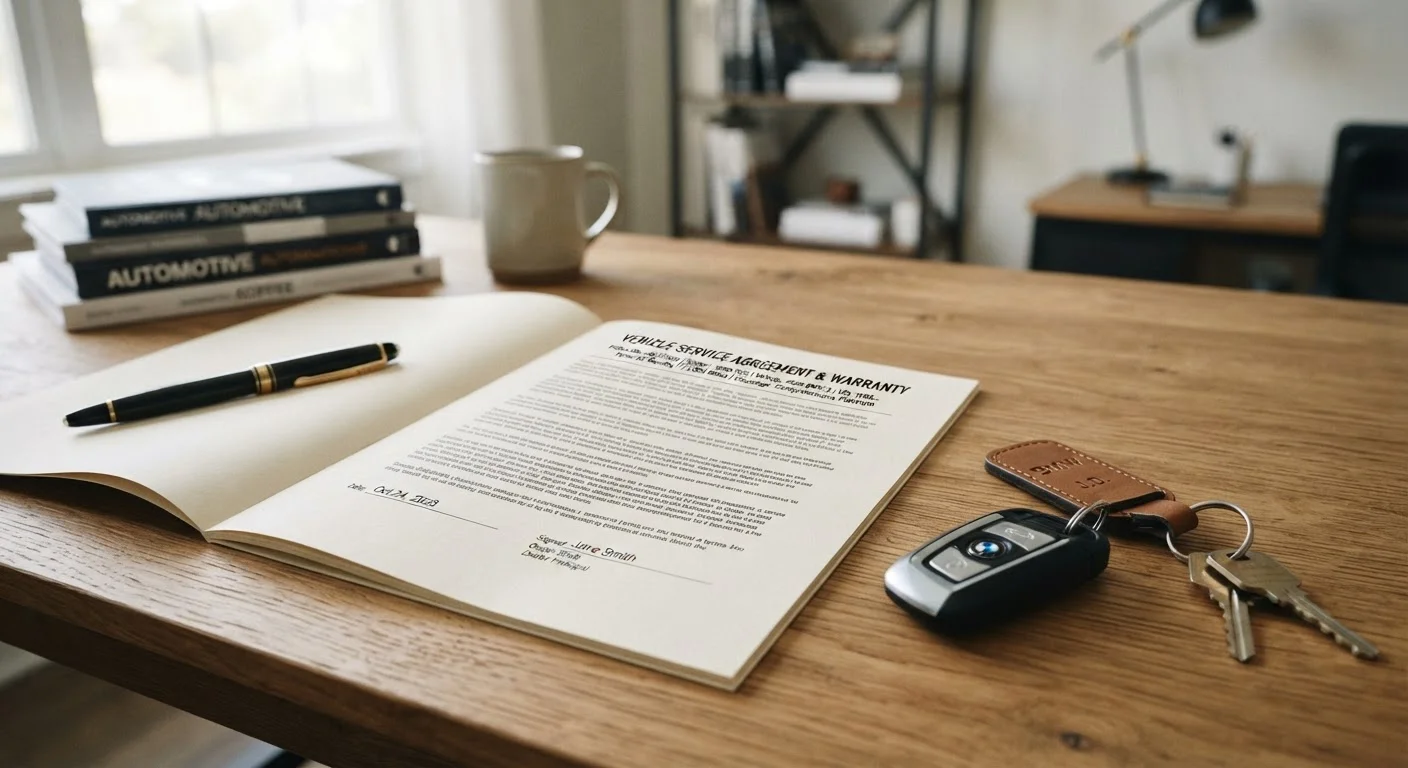
Photo: QuickSearches.net | It Doesn't Get Quicker Than This! editorial
The Main Types of Car Warranties
Most new vehicles come with several overlapping warranties, each covering a different set of components. Knowing which is which prevents unpleasant surprises at the service desk.
Bumper-to-Bumper (Comprehensive) Warranty
Often called a basic warranty, this covers most vehicle systems - electrical components, air conditioning, infotainment, steering, and more - from bumper to bumper. It typically runs for 3 years or 36,000 miles, whichever comes first. Despite the name, it doesn't cover everything (more on exclusions below).
Powertrain Warranty
This is the longer, narrower warranty that protects the components that make the vehicle move: engine, transmission, driveshaft, and drive axles. Coverage commonly runs 5 years or 60,000 miles, though some manufacturers extend it further. It doesn't cover comfort or convenience features.
Emissions Warranty
Federally mandated under the Clean Air Act, this covers emissions-related parts. It typically splits into two tiers: a shorter coverage period for general emissions components and a longer period - often 8 years or 80,000 miles - specifically for the catalytic converter and onboard diagnostic system.
Corrosion (Rust-Through) Warranty
Covers perforation of body panels due to rust from the inside out. This is distinct from surface rust and typically lasts 5 to 7 years with no mileage limit. It does not cover cosmetic rust caused by chips or scratches.
What Car Warranties Don't Cover
The gaps in warranty coverage catch many drivers off guard. Understanding exclusions is just as important as knowing what's included.
Powertrain
The group of components that generate and deliver power to the wheels, including the engine, transmission, driveshaft, and drive axles. Powertrain warranties are typically longer than bumper-to-bumper coverage.
Bumper-to-Bumper Warranty
A broad factory warranty covering most vehicle systems between the front and rear bumpers. It excludes wear items, maintenance, and damage from misuse or external causes.
Exclusionary Warranty
A warranty that defines coverage by listing what is NOT covered, rather than what is. Bumper-to-bumper warranties are typically written this way, making them broader than component-specific warranties.
Magnuson-Moss Warranty Act
A federal law governing written warranties on consumer products sold in the U.S. It prohibits manufacturers from voiding a warranty simply because an owner used aftermarket parts, unless the manufacturer proves the part caused the failure.
Lemon Law
State laws that provide remedies - typically a replacement vehicle or refund - when a new vehicle has a substantial defect that cannot be repaired after a reasonable number of attempts.
Wear Item
A component designed to wear down through normal use, such as brake pads, tires, or wiper blades. These are excluded from most factory warranties because their deterioration is expected.
Routine Maintenance
Oil changes, tire rotations, brake pads, filters, and windshield wiper blades are considered normal wear items. No factory warranty covers them. Some automakers bundle complimentary maintenance plans for the first year or two, but these are separate from the warranty itself.
Wear-and-Tear Components
Parts expected to degrade with use - brake rotors, clutch assemblies (on manual transmissions), tires, and belts - are excluded from bumper-to-bumper coverage. Tires carry their own manufacturer warranty directly from the tire maker, not the automaker.
Damage from Misuse or Neglect
If a failure can be traced to improper maintenance, off-road use beyond the vehicle's design, aftermarket modifications, or accident damage, the warranty claim will likely be denied. Keeping up with the manufacturer's scheduled maintenance - and documenting it - is your primary defense if a dispute arises.
Environmental and External Damage
Hail damage, flood damage, road debris strikes, and animal damage fall under your auto insurance policy, not your warranty. For clarity on how insurance and warranties work together, see how comprehensive and collision coverage apply.
Aftermarket Modifications and Your Warranty
If you're weighing whether to purchase coverage beyond the factory warranty, extended warranties on used cars break down the trade-offs clearly. Dealers often pitch extended coverage at signing - learn what those add-ons are actually worth before you agree to anything.
How to Use Your Warranty Effectively
A warranty is only valuable if you can actually use it. A few habits protect your rights as a vehicle owner.
- Follow the factory maintenance schedule. Automakers can deny claims if they determine that neglected maintenance contributed to the failure. Keep all service receipts, whether work is done at a dealership or a qualified independent shop.
- Understand transferability. Most factory warranties transfer to subsequent owners if the vehicle is sold before the term expires, though some benefits may not. Ask for documentation at the time of purchase.
- Know your state's lemon laws. If a defect can't be repaired after a reasonable number of attempts, state lemon laws may entitle you to a replacement vehicle or refund - independent of what the warranty says.
- Don't assume modification voids everything. Under the Magnuson-Moss Warranty Act, a manufacturer must demonstrate that an aftermarket part or modification actually caused the failure before denying a claim on that basis.
For a broader look at navigating car ownership costs and decisions, explore the Buying a Car guides.
The content on this site is provided for informational purposes only and should not be considered a substitute for professional advice. While we strive to provide accurate and up-to-date information, we make no guarantees regarding its completeness or accuracy. Always consult a qualified professional for advice specific to your circumstances before making any decisions