
What 'Out-the-Door Price' Really Means-and Why It's the Only Number That Matters

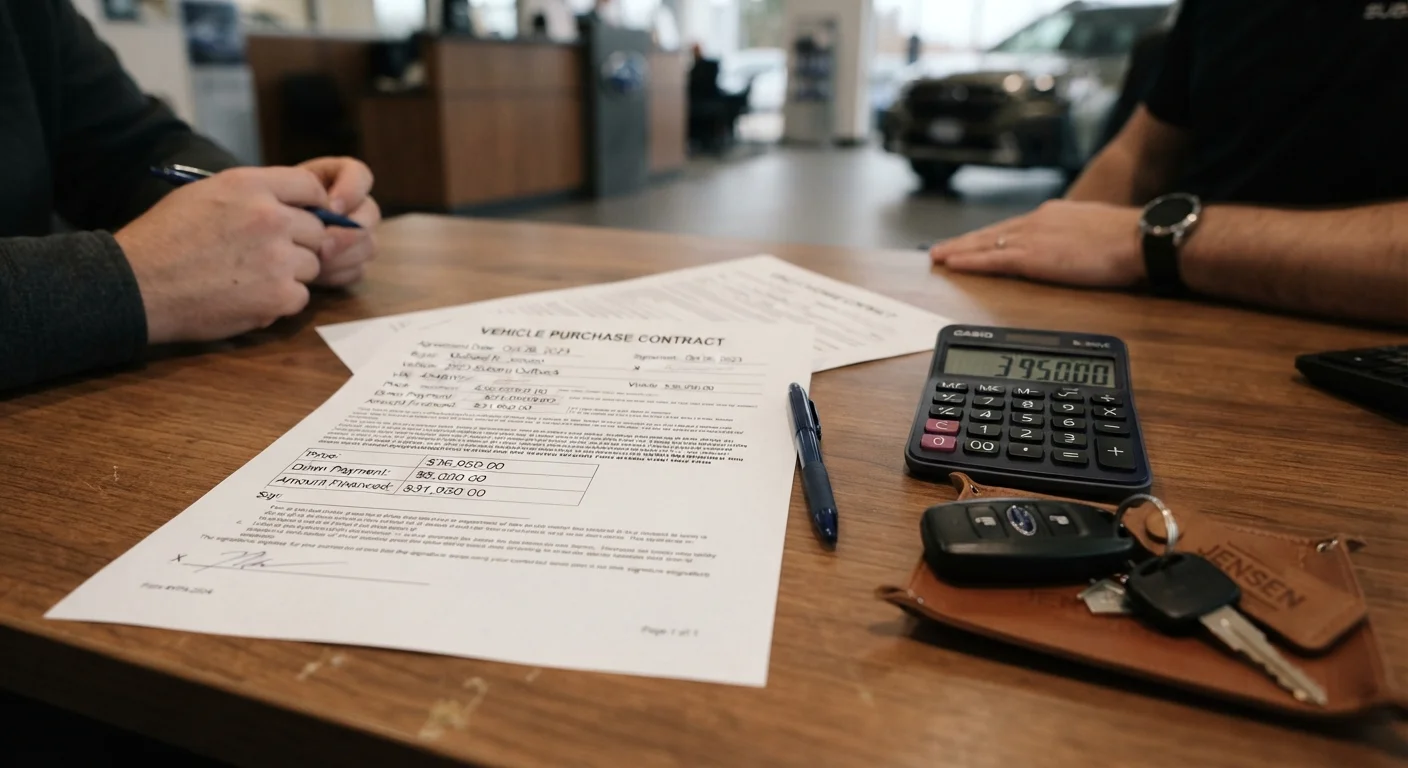
Photo: QuickSearches.net | It Doesn't Get Quicker Than This! editorial
Key Takeaways
- The sticker price and the out-the-door price can differ by $2,000-$5,000 or more on a typical vehicle purchase.
- Sales tax, title fees, registration, and dealer documentation fees are the most common additions to the base price.
- Always request the out-the-door price in writing before agreeing to any deal or financing terms.
- Some dealer fees are negotiable; others - like government taxes and registration - are not.
- Focusing on monthly payments instead of the OTD price is one of the most common and costly car-buying mistakes.
The Gap Between Sticker Price and What You Actually Pay
Walk into a dealership and you'll see a price printed on the window sticker - the Manufacturer's Suggested Retail Price (MSRP). That number gets a lot of attention in ads and negotiations, but it is not what you'll write a check for. The out-the-door price is the only figure that reflects what you truly owe before leaving the lot.
The difference between these two numbers can be substantial. A vehicle advertised at $32,000 might carry an OTD price of $35,500 or higher once taxes and fees are stacked on. For budget-conscious buyers, that gap can strain a carefully planned budget - especially when it appears only at the final signing stage.
Understanding why this gap exists starts with knowing exactly what gets added between the sticker and the contract. Common car-buying myths often lead shoppers to focus on the wrong numbers throughout the process.
$2,000-$5,000+
Typical gap between MSRP and out-the-door price
The exact difference depends on the state's sales tax rate, local fees, and any dealer add-ons included in the final contract.
Up to $500+
Dealer documentation fees in some states
Doc fees vary widely across the country; some states impose caps while others allow dealers to set their own amounts.
4%-10%+
Range of state vehicle sales tax rates
Sales tax is one of the largest non-negotiable additions to any vehicle purchase price and varies significantly by state and locality.
What Makes Up the Out-the-Door Price
Every OTD price is built from the same basic categories, though the exact amounts differ by state, county, and dealership.
Sales Tax
This is typically the largest addition beyond the vehicle price. Most states impose a sales tax on vehicle purchases, calculated as a percentage of the selling price. Rates generally range from around 4% to over 10% depending on where you live, making it a significant cost that cannot be avoided or negotiated.
Title and Registration Fees
These government fees transfer legal ownership of the vehicle to you and register it with your state's motor vehicle authority. They vary by state and sometimes by vehicle weight or value, but they are non-negotiable - set by law, not by the dealer.
Dealer Documentation Fee
The doc fee covers the dealership's administrative costs for processing the sale paperwork. Some states cap what dealers can charge; others do not. This fee is sometimes negotiable, particularly if you are paying cash or bringing outside financing.
Optional Add-Ons
Dealers commonly present extras such as paint protection packages, extended warranties, and gap insurance during the finance office visit. These are not mandatory and can significantly inflate the OTD price. Understanding what these add-ons are actually worth before you sit down can save you hundreds or even thousands of dollars.
Ask for an Itemized Quote by Email
How to Use the OTD Price to Your Advantage
The most effective strategy is straightforward: always negotiate on the out-the-door price, not on monthly payments. When conversations center on what you pay per month, it is easy to lose track of how much you're paying in total. A lower monthly payment achieved by stretching a loan to 72 or 84 months can cost significantly more over the life of the loan than a slightly higher payment on a shorter term.
Request an itemized OTD price quote in writing - via email is ideal - before visiting the dealership. This approach lets you compare offers from multiple dealers on equal footing and removes the pressure of the in-person environment. When you receive the quote, review every line item. If a fee looks unfamiliar or unusually high, ask for an explanation.
Keep in mind that your credit score can affect your financing costs independently of the OTD price - two buyers purchasing the same vehicle at the same OTD price may pay very different total amounts if their loan interest rates differ.
Finally, remember that the OTD price is just the beginning of your vehicle's true cost. Ongoing ownership costs - insurance, fuel, maintenance, and depreciation - add substantially to what you spend over the years you own the car.
Frequently Asked Questions
The content on this site is provided for informational purposes only and should not be considered a substitute for professional advice. While we strive to provide accurate and up-to-date information, we make no guarantees regarding its completeness or accuracy. Always consult a qualified professional for advice specific to your circumstances before making any decisions