
Stretching a Road Trip Budget Across Every Mile

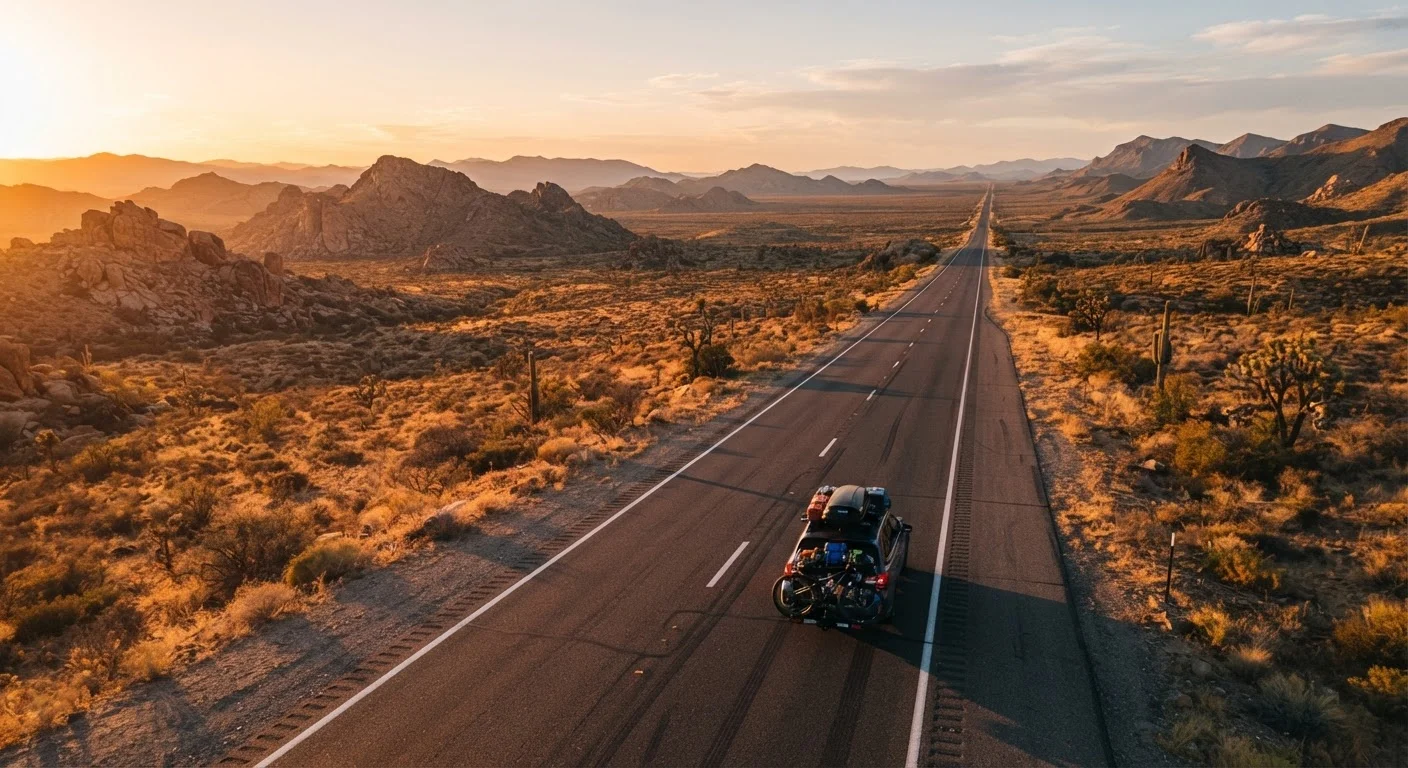
Photo: QuickSearches.net | It Doesn't Get Quicker Than This! editorial
Key Takeaways
- Fuel costs are controllable - speed, tire pressure, and route planning all affect how much you spend at the pump.
- Free and low-cost overnight options like dispersed camping and national forest sites can cut lodging costs significantly.
- Packing a cooler and planning grocery stops beats eating out for every meal on a long trip.
- National Parks passes and free local attractions can dramatically reduce your daily activity spending.
- A detailed pre-trip budget helps you spot hidden costs before they surprise you mid-route.
Why Road Trips Are Still One of the Most Budget-Friendly Travel Options
Road trips give you something flights can't: total control over your spending. You decide when to stop, where to sleep, what to eat, and how far to go each day. That flexibility is genuinely powerful for budget travelers.
The cost of a domestic road trip scales with your choices far more than air travel does. You're not locked into hotel blocks or airport food courts. Done with intention, a road trip through America can cost a fraction of a comparable fly-and-stay vacation - especially for groups of two or more splitting fuel and lodging.
That said, costs can creep up fast without a plan. Spontaneous restaurant stops, premium-priced lodging booked same-day, and inefficient driving habits quietly erode your budget by the end of day two. The sections below address each major cost category with concrete, actionable strategies. For a broader foundation, the budget travel essentials guide covers the mindset and tools that make cost-conscious travel sustainable.
Fuel: Your Biggest Variable Cost
Fuel is typically the single largest expense on a road trip, and it's also the one most within your control. A few consistent habits can meaningfully reduce what you spend at the pump across hundreds of miles.
- Drive at moderate speeds. Fuel efficiency drops noticeably above 60-65 mph on most vehicles. Staying under 70 mph on highways is one of the simplest ways to stretch a tank.
- Check tire pressure before departure. Under-inflated tires increase rolling resistance and burn more fuel. Check the recommended PSI on your door jamb, not the tire sidewall.
- Use a gas price app. Apps that aggregate live fuel prices by location can help you decide whether to fill up now or wait for a cheaper station ahead.
- Avoid idling. If you're parked for more than a couple of minutes, shut the engine off. Idling burns fuel with zero forward progress.
- Plan routes to minimize backtracking. Every unnecessary mile costs money. Plotting a logical loop rather than a there-and-back route saves both fuel and time.
For deeper driving efficiency techniques, the fuel economy habits guide covers vehicle maintenance factors that affect real-world consumption.
Fill your tank at wholesale club or supermarket-affiliated gas stations when you pass one - they consistently price fuel several cents below the surrounding market, which adds up meaningfully over a long trip.
Before booking any campsite, check whether your route passes through National Forest land - dispersed camping there is often legal, free, and far less crowded than developed campgrounds.
Where to Sleep Without Overpaying
Lodging can easily match or exceed fuel costs on a multi-day road trip if you rely entirely on roadside hotels. There are better options at every price point.
Free dispersed camping on U.S. National Forest and Bureau of Land Management (BLM) land is legal in most areas and genuinely free - no reservation required. Apps like iOverlander and The Dyrt help locate legal dispersed sites along your route.
State park campgrounds typically run between $15-$35 per night and offer basic amenities like restrooms and fire rings. Reserve a week or more ahead, especially for summer trips through popular regions.
National Park campgrounds are similarly priced and often bookable through Recreation.gov. If you plan to visit multiple parks, an America the Beautiful Annual Pass covers entrance fees for a flat annual fee - a well-documented money-saver for anyone hitting more than two or three parks.
Camping apps and membership programs like Harvest Hosts (which grants access to farm and winery overnight stays) or Boondockers Welcome can dramatically expand your free or low-cost options if you're traveling in an RV or van.
If you do need a traditional lodging night, booking mid-week, choosing towns just outside tourist centers, and reserving in advance all help lower the rate.
Don't Rely on Same-Day Lodging Decisions
Food on the Road: Keeping It Affordable
Food is where road trip budgets quietly blow up. Three restaurant meals a day for two people in tourist areas can cost $80-$120 or more daily - easily rivaling your lodging expense.
The most effective strategy is simple: bring a cooler. Grocery-store staples like deli meats, cheese, bread, fruit, hard-boiled eggs, and yogurt travel well and cost a fraction of restaurant equivalents. Plan a grocery stop every two to three days rather than restocking at convenience stores.
Reserve sit-down restaurant meals for dinners when you've settled for the night, or for genuinely local spots worth the experience. Breakfast and lunch from the cooler keeps daily food spending manageable without making the trip feel like a punishment.
The road food budget guide explores this strategy in more detail, including how to read local menus and find affordable regional spots worth stopping for.
Activities and Attractions: The Free-First Approach
Start every stop with what's free. National parks, state parks, historic sites, scenic overlooks, public beaches, and farmers markets cost little or nothing and are often the most memorable parts of a trip.
The free activities guide offers a practical framework for finding no-cost local experiences in any city. Many museums also offer free admission on specific days or evenings - a quick search before arrival is worth the thirty seconds it takes.
When paid attractions are genuinely worth it, look for annual passes that cover multiple sites. The America the Beautiful pass is the most well-known for federally managed lands. Many state park systems offer similar annual passes worth considering if your route runs heavily through one state.
Avoid purchasing attraction tickets at the gate when possible - online advance pricing is often lower, and timed-entry reservations are now required at several high-traffic parks, meaning walk-up access isn't always an option regardless of budget.
Building a Budget That Holds Before You Leave
The single highest-leverage thing you can do for a road trip budget is build it out in detail before you leave home. That means estimating fuel costs by route distance and your vehicle's real-world MPG, pricing out campsite or lodging nights, and accounting for food, entrance fees, and a realistic contingency buffer.
Most budget overruns on road trips come from costs that were foreseeable but unplanned - a blown tire, a park entrance fee, a night when camping wasn't available and a motel was the only option. A 15-20% contingency line in your budget absorbs those without derailing the trip.
The travel budget-building guide walks through how to estimate real costs, including the categories most travelers miss. Pair it with the pre-trip planning checklist to make sure nothing falls through before departure day.
Road trips reward preparation. The more clearly you map out what each day will cost - and where you have room to flex - the less stress you carry across every mile.
The content on this site is provided for informational purposes only and should not be considered a substitute for professional advice. While we strive to provide accurate and up-to-date information, we make no guarantees regarding its completeness or accuracy. Always consult a qualified professional for advice specific to your circumstances before making any decisions