
The Paper Trail That Protects Renters

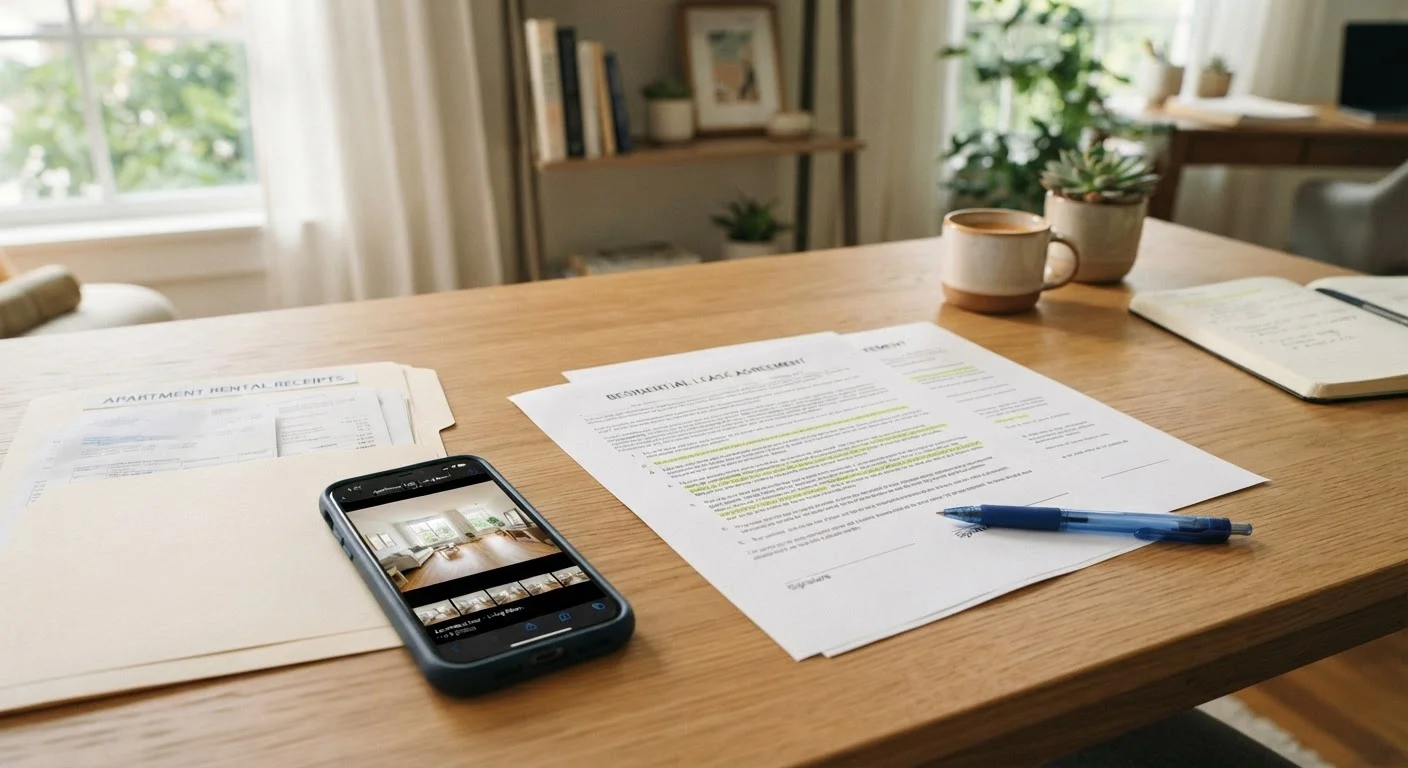
Photo: QuickSearches.net | It Doesn't Get Quicker Than This! editorial
Key Takeaways
- Photographing the unit at move-in and move-out is your strongest defense against unfair security deposit deductions.
- All repair requests should be submitted in writing, even if you first report them verbally.
- Keeping copies of every lease, addendum, and rent payment receipt protects you throughout your tenancy.
- A dated, organized digital folder costs nothing and can save you hundreds of dollars in disputes.
- State laws govern how long landlords have to return deposits and what deductions are permissible.
Why Documentation Is a Renter's Best Tool
In any dispute between a tenant and a landlord - over a security deposit, an unaddressed repair, or a lease violation - the outcome often hinges on who has the better paper trail. Landlords routinely keep meticulous records. Renters, especially first-timers, often do not. That imbalance can be costly.
Good documentation does not require a filing cabinet or legal expertise. It requires consistency: getting things in writing, dating them, and storing them somewhere you can find them. Whether you're dealing with a withheld deposit or facing an eviction notice, your records are your voice.
If you're just starting out as a renter, the First-Time Renter's Roadmap covers the full arc from apartment hunting to lease signing - a useful foundation before the practices below come into play.
Photograph every room at move-in and move-out with timestamped images stored in the cloud.
Follow up every verbal repair report with a written email or text message the same day.
Keep a copy of every rent payment confirmation for the full duration of your lease.
Complete a detailed move-in checklist and request the landlord's countersignature.
Store lease documents and important correspondence in a dedicated, backed-up digital folder from day one.
The Documents You Must Keep From Day One
The moment you sign a lease, your documentation timeline begins. Several categories of records are non-negotiable.
- The lease and all addenda: Keep a signed copy of the complete lease agreement, including any pet addenda, parking agreements, or move-in inspection checklists. If amendments are made mid-tenancy, get them in writing and signed by both parties.
- Rent payment records: If you pay by check, keep the cancelled checks or bank statements showing cleared payments. If you pay via app or bank transfer, screenshot or export the confirmation. If you pay cash - which is generally inadvisable - always request a signed receipt.
- Move-in inspection report: If your landlord provides a move-in checklist, fill it out thoroughly, sign it, and keep your copy. If none is provided, create your own written inventory and ask the landlord to countersign it.
Understanding how security deposits work - including what landlords can legally deduct - helps you know exactly why these records matter so much at move-out.
~$200
Median disputed security deposit amount
Security deposit disputes are among the most common reasons tenants file small claims court cases, often over amounts between $100 and $500, according to tenant advocacy research.
14-30 days
Typical landlord window to return deposits
Most U.S. states require landlords to return security deposits within 14 to 30 days of move-out; failure to do so can entitle tenants to additional damages in many jurisdictions.
Photos and Written Requests: Your Day-to-Day Habits
Beyond the foundational documents, two ongoing habits do the most protective work during a tenancy.
Photograph everything, twice. At move-in, photograph every room systematically - walls, floors, appliances, fixtures, closets, and any pre-existing damage. Do the same at move-out. Timestamp the images (most smartphones do this automatically) and back them up to cloud storage immediately. Courts and small claims judges frequently rely on photo evidence to resolve deposit disputes.
Put all repair requests in writing. Even if you mention a problem to your landlord verbally, follow up with a text message or email the same day summarizing what you reported and when. This creates a timestamped record that the landlord had notice of the issue. If the problem goes unaddressed, that paper trail becomes evidence. Keep records of any responses - or non-responses - you receive.
Use Email Over Text When It Matters
Correspondence about lease terms, entry notices, rent increases, or complaints should always be conducted via email where possible, so both parties have an automatic record with dates and times. Avoid settling significant matters exclusively over phone calls.
Building a Simple System That Actually Sticks
The best documentation system is the one you'll actually use. A dedicated folder in Google Drive or iCloud - organized by year and category - is sufficient for most renters. Label subfolders clearly: Lease Documents, Rent Payments, Repair Requests, Move-In Photos, Move-Out Photos, Correspondence.
For physical documents, a simple accordion folder with the same categories works well. Scan or photograph any paper receipts before they fade. The Paper Trail Problem guide offers practical strategies for digitizing and organizing household documents more broadly.
One often-overlooked step: email yourself a summary each time a significant event occurs - a repair request, an inspection, a verbal agreement with your landlord - so there is always a timestamped record in your inbox even if a text chain is deleted.
Renters who want to understand more about the hidden costs of renting will find that disputes - and the cost of resolving them - are among the most preventable surprises on that list.
This article is for general informational purposes only and does not constitute legal advice. Tenant rights vary significantly by state and locality. Consult a qualified attorney or local tenant's rights organization for guidance specific to your situation.
The content on this site is provided for informational purposes only and should not be considered a substitute for professional advice. While we strive to provide accurate and up-to-date information, we make no guarantees regarding its completeness or accuracy. Always consult a qualified professional for advice specific to your circumstances before making any decisions