
Eviction: What the Process Looks Like and What Renters Can Do

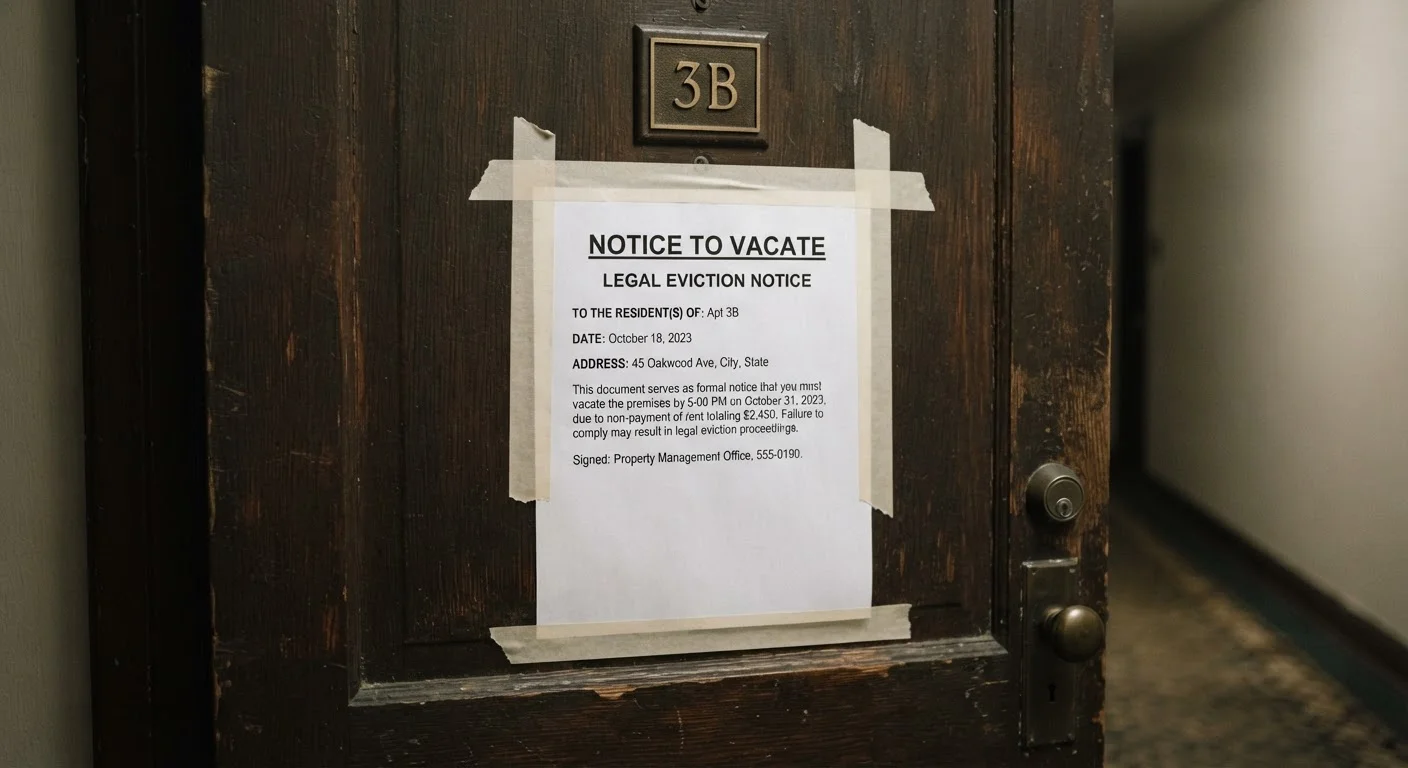
Photo: QuickSearches.net | It Doesn't Get Quicker Than This! editorial
Key Takeaways
- Receiving an eviction notice does not mean you must leave immediately - it starts a legal process.
- Landlords must follow state-specific procedures; skipping steps can invalidate the eviction.
- Tenants have the right to respond to eviction filings in court before any removal occurs.
- Self-help evictions - like changing locks or removing belongings - are illegal in every U.S. state.
- Legal aid organizations can provide free or low-cost help to renters facing eviction.
- Documentation of payments, communications, and conditions strengthens a tenant's legal position.
The Eviction Process, Step by Step
Eviction follows a defined legal sequence. Understanding each stage helps you know how much time you have and where you can intervene.
Step 1: Written Notice
Everything starts with a written notice from your landlord. The type of notice depends on the reason for eviction:
- Pay or Quit: You owe rent and have a set number of days (typically 3-5) to pay or vacate.
- Cure or Quit: You've violated a lease term and have a set period to correct it.
- Unconditional Quit: The landlord requires you to leave with no option to remedy - usually reserved for serious or repeated violations.
The notice must generally be delivered in a specific manner (in person, posted on the door, or mailed) and must include legally required information. A defective notice can be challenged in court.
Step 2: Court Filing
If you don't comply with the notice, the landlord can file an eviction lawsuit - often called an 'unlawful detainer' action. You will be served with court papers and given a date to respond or appear. Do not ignore these papers. Failing to respond almost always results in a default judgment against you.
Step 3: Court Hearing
At the hearing, both sides present their case. You can raise defenses such as improper notice, landlord failure to maintain habitable conditions, or retaliation. A judge then decides the outcome. If the landlord wins, they receive a 'writ of possession.'
Step 4: Physical Removal
Only after a writ of possession is issued can enforcement occur - and only a law enforcement officer (typically a sheriff or marshal) can carry it out. Landlords have no legal authority to remove you themselves.
Notice Requirements Vary by State
What Renters Can Do at Each Stage
You have options at every step of this process - but acting early matters.
Respond to the notice
If you receive a pay-or-quit notice and can pay the overdue rent, do so within the notice period and get written confirmation. If the notice contains errors - wrong amount owed, improper delivery, or missing information - document those issues. A notice that doesn't meet your state's legal requirements may not hold up in court.
Seek legal help immediately
Contact a local legal aid organization or tenant rights group as soon as possible. Many areas have emergency eviction assistance programs. Courts in some jurisdictions also have tenant self-help centers. Our guide on tenant rights every renter should know outlines additional protections that may apply to your situation.
Gather your documentation
Collect proof of rent payments, all written communications with your landlord, photos of the unit's condition, and any repair requests you've submitted. Strong documentation supports your case and can reveal whether the eviction is retaliatory. See our piece on the paper trail that protects renters for practical record-keeping guidance.
Attend the hearing
Showing up is one of the most important things you can do. Courts frequently rule in favor of whichever party appears. Bring all documentation and, if possible, a legal advocate or attorney.
Ask About Payment Plans Before Court
Illegal Eviction Tactics: Know What's Off-Limits
Some landlords attempt shortcuts that are flatly illegal. Knowing these protects you from being pressured into leaving before you have to.
- Lockouts: Changing your locks without a court order is illegal in every state.
- Utility shutoffs: Deliberately cutting off heat, electricity, or water to force you out is prohibited and may expose the landlord to significant liability.
- Removing your belongings: A landlord cannot remove your property from the unit without a court-authorized process.
- Harassment: Repeated unannounced entries, threats, or intimidation designed to make you leave can constitute illegal harassment. Most states require advance notice before entry - see our overview of when landlords can and cannot enter your apartment.
If a landlord attempts any of these tactics, document everything immediately - photos, written records, dates, and times - and contact a local tenant advocacy organization or attorney. You may be entitled to damages.
~3.6M
Eviction filings per year in the U.S.
According to research from the Eviction Lab at Princeton University, roughly 3.6 million eviction cases are filed annually in the United States in a typical pre-pandemic year.
~90%
Eviction hearings where landlords have legal representation
Studies from multiple jurisdictions have found that landlords are far more likely to appear in eviction court with an attorney than tenants, underscoring why legal aid access matters.
3-5 days
Typical pay-or-quit notice period in many states
Many U.S. states require a minimum of 3 to 5 days for a rent-based notice to quit, though some states mandate longer periods of 10, 14, or even 30 days.
This article provides general legal information for educational purposes and is not legal advice. Eviction laws vary significantly by state and locality. If you are facing eviction, consult a licensed attorney or local legal aid organization for guidance specific to your situation.
Frequently Asked Questions
The content on this site is provided for informational purposes only and should not be considered a substitute for professional advice. While we strive to provide accurate and up-to-date information, we make no guarantees regarding its completeness or accuracy. Always consult a qualified professional for advice specific to your circumstances before making any decisions