
Owning a Home

Home Maintenance Tasks Most New Owners Forget Until Something Breaks

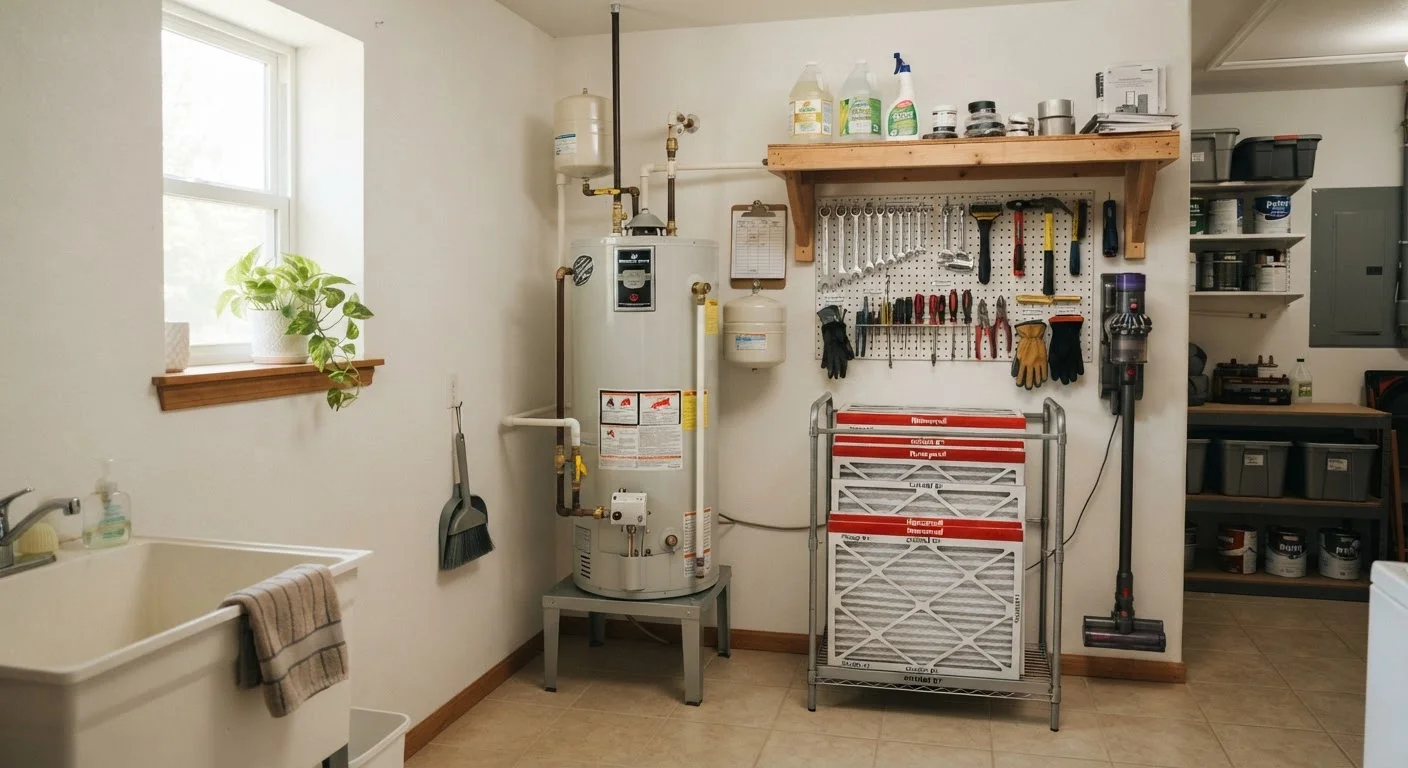
Home Maintenance Tasks Most New Owners Forget Until Something Breaks

Photo: QuickSearches.net | It Doesn't Get Quicker Than This! editorial

Skipping routine upkeep is how small problems become expensive ones. Learn which maintenance tasks deserve attention before they turn into repairs.

Key Takeaways

  • HVAC filters, water heaters, and gutters are the most commonly neglected systems in new homeownership.
  • Most forgotten maintenance tasks cost very little to address proactively but a great deal to fix reactively.
  • Building a seasonal maintenance calendar is the most reliable way to stay ahead of problems.
  • Some tasks require licensed professionals — knowing the difference protects your safety and your investment.

Why New Owners Miss These Tasks

Renting trains people to call someone else when something goes wrong. That reflex doesn't disappear the moment you sign closing documents — but the system that backs it up does. As a homeowner, you're now the landlord, maintenance department, and emergency contact rolled into one.

The tasks most commonly neglected aren't obscure or complicated. They're simply invisible until they fail. Water heaters don't announce that they're accumulating sediment. Gutters don't warn you they're directing water toward your foundation. HVAC filters don't alert you when airflow drops to a fraction of what it should be.

The result is a pattern that plays out in homes across the country: a small, preventable problem silently worsens for months or years, then presents itself as an expensive emergency. Understanding which tasks fall into this category — and why — is the first step toward breaking that cycle. See ownership expenses most people don't anticipate for a broader look at costs that surprise first-time buyers.

1

Neglecting HVAC filter replacements for months at a time.

Why it happens: Filters are out of sight and the system keeps running — just less efficiently. New owners rarely know the replacement interval or where the filter is located.
How to avoid: Check your filter monthly and replace it every 1–3 months depending on filter type, pets, and dust levels. A clogged filter forces the system to work harder, shortens equipment life, and degrades indoor air quality. Set a recurring phone reminder to make it automatic.
2

Ignoring the water heater until it leaks or stops heating.

Why it happens: Water heaters are typically tucked in a utility closet or basement and require no daily interaction, so they fall completely off most owners' radar.
How to avoid: Flush sediment from the tank annually by connecting a hose to the drain valve — this slows corrosion and maintains efficiency. Also inspect the pressure relief valve periodically. Water heaters typically last 8–12 years; knowing your unit's age helps you plan ahead rather than scramble.
3

Letting gutters clog with leaves and debris season after season.

Why it happens: Gutters aren't visible from inside the home, and their failure mode is gradual — water backs up, then overflows, then begins directing moisture toward the foundation or fascia boards.
How to avoid: Clean gutters at least twice a year — typically in late fall after leaves drop and in early spring. If you have overhanging trees, quarterly cleaning may be warranted. Downspouts should direct water at least 3–4 feet away from the foundation. If gutter work requires ladder heights you're not comfortable with, hire a professional.
4

Skipping caulk and weatherstripping inspections around windows and doors.

Why it happens: Caulk and weatherstripping degrade slowly and invisibly. New owners don't realize these are maintenance items with a lifespan, not permanent fixtures.
How to avoid: Inspect caulk around windows, doors, and exterior penetrations annually — look for cracks, gaps, or missing sections. Replacing worn caulk is inexpensive and takes minutes per window. Drafty doors significantly raise heating and cooling costs, and gaps can allow moisture intrusion that leads to mold or rot.
5

Forgetting to clean the dryer exhaust vent.

Why it happens: Most owners clean the lint trap regularly but don't realize that lint also accumulates in the duct that runs from the dryer to the exterior wall — a documented fire hazard.
How to avoid: Disconnect and clean the dryer duct at least once a year using a flexible brush kit. Check that the exterior vent flap opens freely and isn't blocked. If your dryer takes unusually long to dry clothes, a clogged vent is a likely culprit. Long or kinked ducts may require professional cleaning.
6

Overlooking the main water shutoff valve until a pipe bursts.

Why it happens: New owners rarely think about emergency infrastructure until they need it. Many don't know where the main shutoff is located or whether it still operates correctly.
How to avoid: Locate your main water shutoff valve shortly after moving in — typically near the water meter, in the basement, or in a utility closet. Test that it opens and closes fully. A valve that hasn't been operated in years can seize. Knowing this location in advance can prevent thousands of dollars in water damage during a plumbing emergency.

Building Habits That Actually Stick

Awareness alone doesn't prevent deferred maintenance — systems do. A written or digital maintenance calendar, organized by season, is far more reliable than memory or good intentions. Group tasks by frequency: monthly (HVAC filter check), quarterly (test smoke and CO detectors, inspect caulking), semi-annually (flush water heater, clean dryer vent), and annually (inspect roof, service HVAC professionally, clear gutters).

Permits and Licensed Work Matter

Certain home maintenance and repair tasks — including work on electrical panels, gas lines, structural elements, and some plumbing — typically require permits and must be performed by licensed contractors in most U.S. jurisdictions. Unpermitted work can create liability issues, complicate home sales, and void homeowner's insurance coverage. Always verify local requirements before starting or hiring for any significant repair.

When a task falls outside your skill level or comfort zone, that's useful information, not a failure. Knowing when to call a licensed professional is part of responsible ownership — not a shortcut around it. Electrical panels, gas appliances, structural concerns, and anything requiring a permit should go to a qualified contractor. For everything else, a room-by-room inspection checklist can help you assess your home's condition each year and catch warning signs early.

The goal isn't perfection — it's consistency. Even catching one of these forgotten tasks per season puts you measurably ahead of where most new owners find themselves after their first major repair bill. A seasonal maintenance framework can make this process far less overwhelming.

This article is for general informational purposes only. For tasks involving gas, electrical systems, or structural work, consult a licensed professional and verify local permit requirements before proceeding.

Real Estate Editorial Team

QuickSearches.net | It Doesn't Get Quicker Than This!

Real Estate Editorial Team is the collective byline for our editorial team and contributor network. Articles published under this byline or an editorial pen name are researched, written, and reviewed according to our editorial standards for clarity, consistency, and independence before publication.

Renting EssentialsHome Buying GuideOwning a Home
View author profile

The content on this site is provided for informational purposes only and should not be considered a substitute for professional advice. While we strive to provide accurate and up-to-date information, we make no guarantees regarding its completeness or accuracy. Always consult a qualified professional for advice specific to your circumstances before making any decisions