
Evaluating a Neighborhood Before You Commit to a Purchase

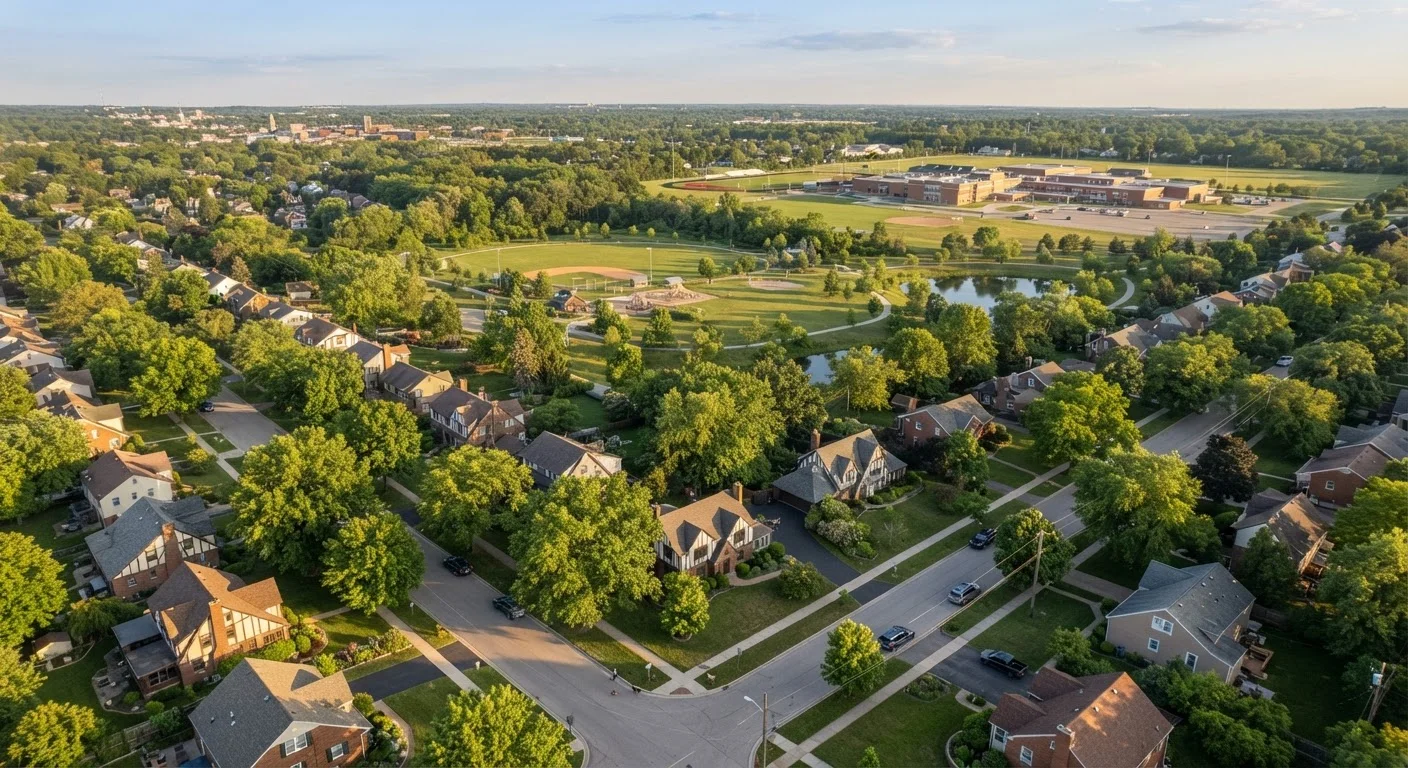
Photo: QuickSearches.net | It Doesn't Get Quicker Than This! editorial
Key Takeaways
- School district quality affects property values even for buyers without children.
- Commute times and transit access can significantly impact daily quality of life.
- Crime data, walkability scores, and local development plans reveal long-term neighborhood trajectory.
- Visiting a neighborhood at multiple times of day gives insight a listing photo never will.
- Flood zones, noise corridors, and zoning rules are public information - check them before making an offer.
Why Location Research Is Non-Negotiable
A home's walls and roof can be renovated. Its location cannot. Where a property sits determines your commute, your neighbors, the schools available to your children, and - critically - how the home holds its value over time. Yet many first-time buyers spend more time researching appliances than they do the surrounding neighborhood.
Neighborhood evaluation isn't about finding perfection. It's about avoiding surprises that could cost you financially or erode your daily satisfaction for years. If you're still weighing whether buying is the right move at all, this balanced look at renting vs. buying can help you think through the larger decision first.
Key Factors to Investigate Before You Commit
Neighborhood research spans public records, online tools, and old-fashioned legwork. Focus your energy on the factors below - each one has measurable, lasting effects on your experience as a homeowner.
~1-3%
Annual property value premium near top school districts
Research published by the National Bureau of Economic Research has found home prices near higher-rated school districts command a persistent premium, often in the range of 1-3% per rating point above comparable homes.
27 min
Average one-way commute time for U.S. workers
According to U.S. Census Bureau American Community Survey data, the average one-way commute for American workers is approximately 27 minutes - but urban and suburban buyers often face significantly longer trips.
~13%
U.S. properties with elevated flood risk
The First Street Foundation estimates roughly 13% of U.S. properties carry meaningful flood risk, a figure that exceeds FEMA's officially mapped high-risk zones.
Once you've made an offer and are under contract, the clock runs fast. Do as much of this research as possible before submitting any offer so you're not racing to uncover deal-breakers during your inspection period.
How to Conduct Your Own Ground-Level Research
Online data tells part of the story. Walking the streets tells the rest.
Pay attention to maintenance levels - overgrown lots, boarded storefronts, or a high density of for-sale signs can signal economic stress or an exodus of longtime residents. Conversely, ongoing renovations and new businesses moving in can indicate a neighborhood on an upward trajectory. Neither trend is invisible once you know what to look for.
If you're also considering homes that need work, understand that a fixer-upper in a strong neighborhood carries a very different risk profile than one in a declining area. This honest assessment of fixer-upper trade-offs can help you calibrate that decision. And once you've closed, navigating homeownership costs and responsibilities becomes the next chapter to plan for.
This article is for general informational purposes only and does not constitute legal, financial, or real estate advice. Consult a licensed real estate professional for guidance specific to your situation.
The content on this site is provided for informational purposes only and should not be considered a substitute for professional advice. While we strive to provide accurate and up-to-date information, we make no guarantees regarding its completeness or accuracy. Always consult a qualified professional for advice specific to your circumstances before making any decisions