
Contingencies in a Purchase Contract: What Each One Protects

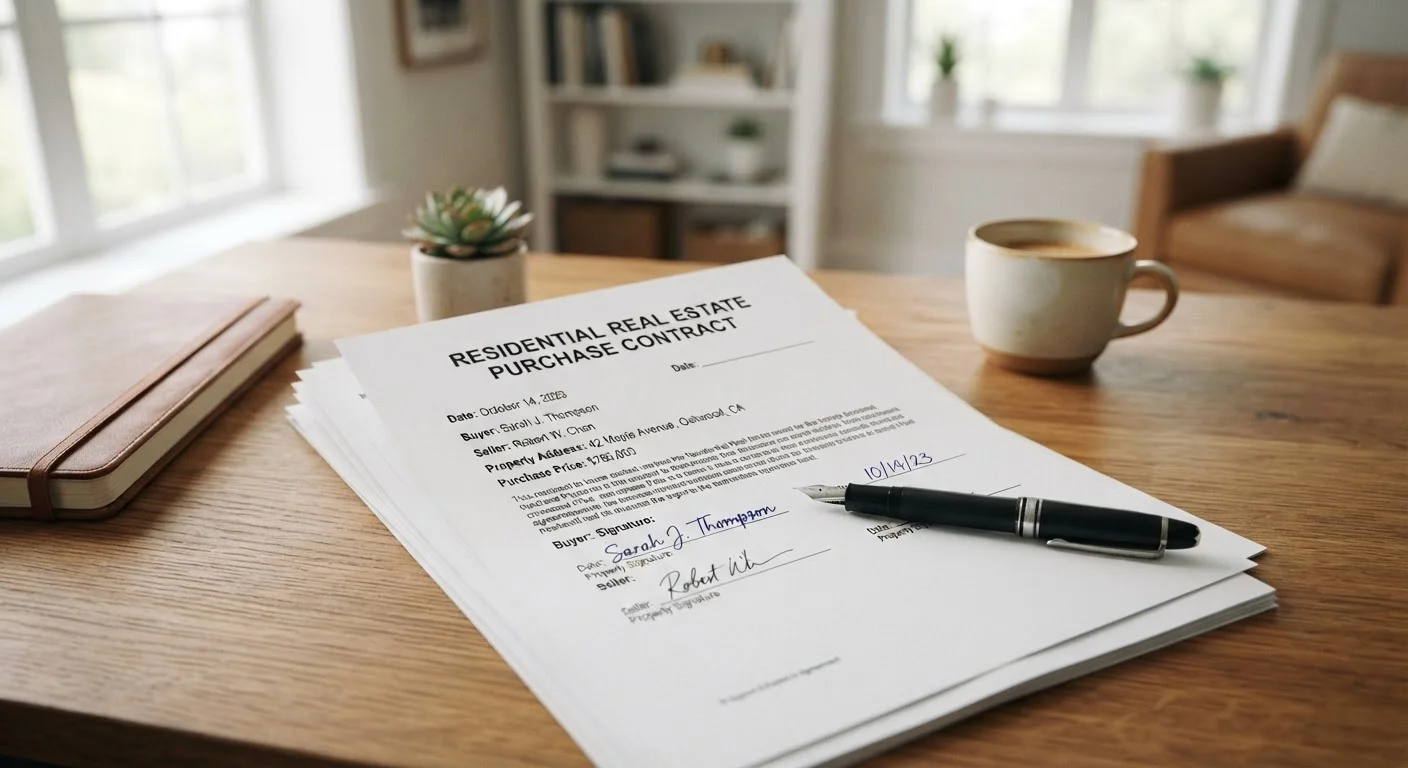
Photo: QuickSearches.net | It Doesn't Get Quicker Than This! editorial
What a Contingency Actually Does
A contingency is a condition written into a real estate purchase contract that must be satisfied before the sale can close. If the condition isn't met within a specified timeframe, the buyer has the right to walk away from the deal - and typically recover their earnest money deposit. Without contingencies, a buyer who backs out risks losing that deposit or facing legal liability.
Contingencies are not loopholes. They are standard, negotiated protections that give both parties a defined framework for what happens when things don't go as planned. Sellers generally prefer fewer contingencies because each one represents a potential exit point for the buyer. Buyers should understand what each clause covers before agreeing to waive or shorten any of them.
For a deeper look at how your deposit interacts with these clauses, see how earnest money works and what happens if a deal falls through.
| Most common contingency type | Financing (mortgage) contingency |
| Typical financing contingency window | 21-30 days after accepted offer |
| Typical inspection contingency window | 7-14 days after accepted offer |
| Who can waive a contingency | The party the contingency protects (usually the buyer) |
| Risk of waiving all contingencies | Potential loss of earnest money and legal obligation to close |
The Three Core Contingencies
Most residential purchase contracts in the U.S. include three standard contingencies. Each protects a distinct risk area.
Financing Contingency
Also called a mortgage contingency or loan contingency, this clause gives the buyer a set number of days - commonly 21 to 30 - to secure a mortgage commitment from a lender. If financing falls through despite good-faith effort, the buyer can cancel the contract and reclaim their deposit. Without this protection, a buyer whose loan is denied could lose their earnest money and still be obligated to purchase.
Inspection Contingency
This contingency gives the buyer the right to have the property professionally inspected within a defined window - often 7 to 14 days after an accepted offer. If the inspection uncovers significant defects, the buyer can negotiate repairs, request a price reduction, or exit the deal entirely. The clause does not guarantee the home will be in perfect condition; it guarantees the buyer has the opportunity to make an informed decision based on the property's actual condition.
Appraisal Contingency
Lenders require an independent appraisal to confirm the home's market value before issuing a mortgage. If the appraisal comes in below the agreed purchase price, the appraisal contingency protects the buyer. Without it, the buyer would either need to cover the gap in cash or lose their deposit if they couldn't proceed. With it, they can renegotiate the price or cancel the contract.
Contingency
A condition in a purchase contract that must be fulfilled for the sale to proceed. If the condition isn't met within the agreed timeframe, the buyer can exit the deal, often without penalty.
Financing Contingency
A clause protecting the buyer if they are unable to obtain a mortgage. It typically gives the buyer a set number of days to receive loan approval before the contingency expires.
Inspection Contingency
A provision allowing the buyer to have the home professionally inspected and to renegotiate or cancel the contract based on the findings within a specified window.
Appraisal Contingency
A clause that protects the buyer if the lender's appraiser values the home below the purchase price, giving the buyer the right to renegotiate or withdraw without losing their deposit.
Earnest Money
A deposit made by the buyer to demonstrate serious intent. Contingencies determine whether this deposit is refundable if the deal falls through.
Title Contingency
A provision ensuring the seller can transfer clean, unencumbered ownership of the property. Unresolved liens or ownership disputes would allow the buyer to exit.
Other Contingencies Worth Knowing
Beyond the three core protections, buyers may encounter - or request - additional contingencies depending on their situation.
- Home sale contingency: Allows the buyer to cancel if they're unable to sell their current home by a specified date. Sellers often resist this in competitive markets, or may include a "kick-out" clause allowing them to continue marketing the property.
- Title contingency: Ensures the seller can deliver clear title - meaning no unresolved liens, ownership disputes, or easement problems. Title issues discovered after closing can be expensive and complex, so this contingency is rarely waived.
- HOA contingency: In communities governed by a homeowners association, buyers may have the right to review HOA financial statements, meeting minutes, and governing documents and cancel if they find something unacceptable.
Once the sale closes, your protection shifts to different products. Understanding how homeowners insurance and home warranties differ is an important next step after closing.
What Happens When You Waive a Contingency
In competitive markets, buyers sometimes waive contingencies to make their offer more attractive. This is a significant financial decision, not a routine negotiating tactic. Waiving the inspection contingency means accepting the property as-is - including any defects found after closing. Waiving the appraisal contingency means committing to pay the agreed price even if the home appraises for less, which may require substantial additional cash.
Before waiving any contingency, buyers should consult with a real estate attorney and their agent to understand the specific risks in their state and market. State laws vary considerably in how contingencies are written, enforced, and resolved. This article provides general educational information - it is not legal or financial advice. Consult a licensed real estate professional and attorney for guidance specific to your transaction.
The content on this site is provided for informational purposes only and should not be considered a substitute for professional advice. While we strive to provide accurate and up-to-date information, we make no guarantees regarding its completeness or accuracy. Always consult a qualified professional for advice specific to your circumstances before making any decisions