
How Earnest Money Works and What Happens If a Deal Falls Through

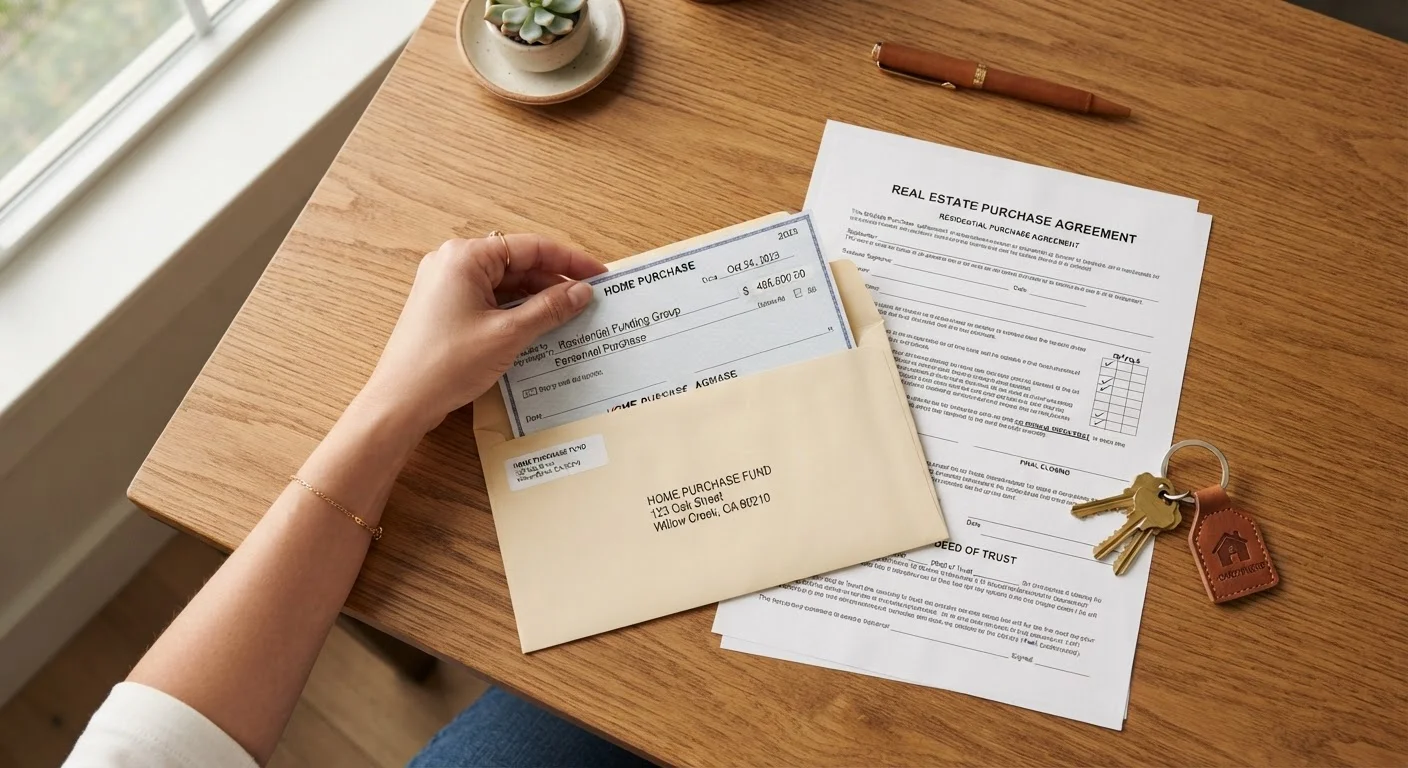
Photo: QuickSearches.net | It Doesn't Get Quicker Than This! editorial
Key Takeaways
- Earnest money is typically 1%-3% of the home's purchase price, though competitive markets may expect more.
- The deposit is held in escrow and applied to your costs at closing if the deal succeeds.
- Contingency clauses in the contract protect your deposit if specific conditions aren't met.
- Buyers who back out without a valid contingency usually forfeit their earnest money to the seller.
- Sellers who back out after accepting an offer may be required to return the deposit - and potentially face other remedies.
What Earnest Money Actually Signals
When you submit an offer on a home, the seller has no guarantee you won't walk away the next day. Earnest money - also called a good-faith deposit - is how buyers demonstrate that their offer is backed by real intent. It's a financial commitment that moves the property off the market while both sides work toward closing.
The deposit doesn't go to the seller directly. It's placed in an escrow account managed by a neutral party, such as a title company or escrow agent. Those funds sit there, untouched, until the transaction either closes or falls apart. At closing, the earnest money is credited toward your down payment or closing costs, so it's not an additional expense - it's money you were going to spend anyway, applied early.
Earnest Money Is Not the Same Everywhere
How Contingencies Protect Your Deposit
The key to understanding when you get your money back - and when you don't - lies in contingencies. These are conditions written into the purchase contract that allow a buyer to exit the deal and recover their deposit if something specific goes wrong.
The three most common contingencies are:
- Financing contingency: If your mortgage application is denied, you can cancel and reclaim your deposit.
- Inspection contingency: If a home inspection reveals serious problems you can't negotiate a resolution on, you can walk away.
- Appraisal contingency: If the home appraises below the agreed purchase price and the seller won't renegotiate, you can exit.
Understanding exactly what each clause covers - and what it doesn't - is critical before you sign anything. See our full breakdown of contingencies in a purchase contract for details on how these protections work in practice.
Read Every Contingency Deadline Carefully
When You Lose Your Earnest Money
Buyers forfeit their earnest money when they back out of a deal for reasons not covered by an active contingency. Common scenarios include:
- Simply changing your mind after all contingencies have been removed or waived
- Failing to meet deadlines spelled out in the contract (such as securing financing by a specific date)
- Voluntarily waiving contingencies in a competitive offer and then needing to exit anyway
In hot markets, some buyers waive contingencies to make their offer more attractive. This strategy carries real risk - if anything goes sideways, that deposit is likely gone. It's worth having an honest conversation with your agent about the tradeoffs before removing any protections.
1%-3%
Typical earnest money deposit range
Industry practice in most U.S. markets, though amounts vary by region and competitiveness of the offer.
~$3,000-$9,000
Deposit on a $300,000 home at 1%-3%
Illustrates the real dollar amounts at stake, which are applied toward closing costs or the down payment if the deal closes.
What Happens When a Deal Falls Through on the Seller's Side
Sellers can also cause a deal to collapse - and the rules shift accordingly. If a seller backs out of an accepted contract without a legitimate contractual reason, the buyer is generally entitled to a full refund of their earnest money. In some cases, depending on the contract language and state law, buyers may have additional legal remedies, including the right to sue for specific performance (compelling the sale to proceed).
If a deal falls apart due to circumstances outside either party's control - like a mutual agreement to cancel - the contract should spell out exactly how the deposit is handled. Always read that section carefully before signing.
Earnest money is notably different from a security deposit in a rental situation, where the rules around deductions and returns follow landlord-tenant law. If you're navigating both renting and buying, our guide on how security deposits work explains the rental side.
Once your purchase closes, your financial responsibilities shift significantly. You'll want to understand how escrow accounts work after closing, since your lender will likely use one to collect property taxes and insurance premiums going forward.
This article is for general informational purposes only and does not constitute legal or financial advice. Consult a licensed real estate attorney or qualified professional for guidance specific to your transaction and state.
Frequently Asked Questions
The content on this site is provided for informational purposes only and should not be considered a substitute for professional advice. While we strive to provide accurate and up-to-date information, we make no guarantees regarding its completeness or accuracy. Always consult a qualified professional for advice specific to your circumstances before making any decisions