
Homeowners Insurance vs. Home Warranty: What Each Actually Covers

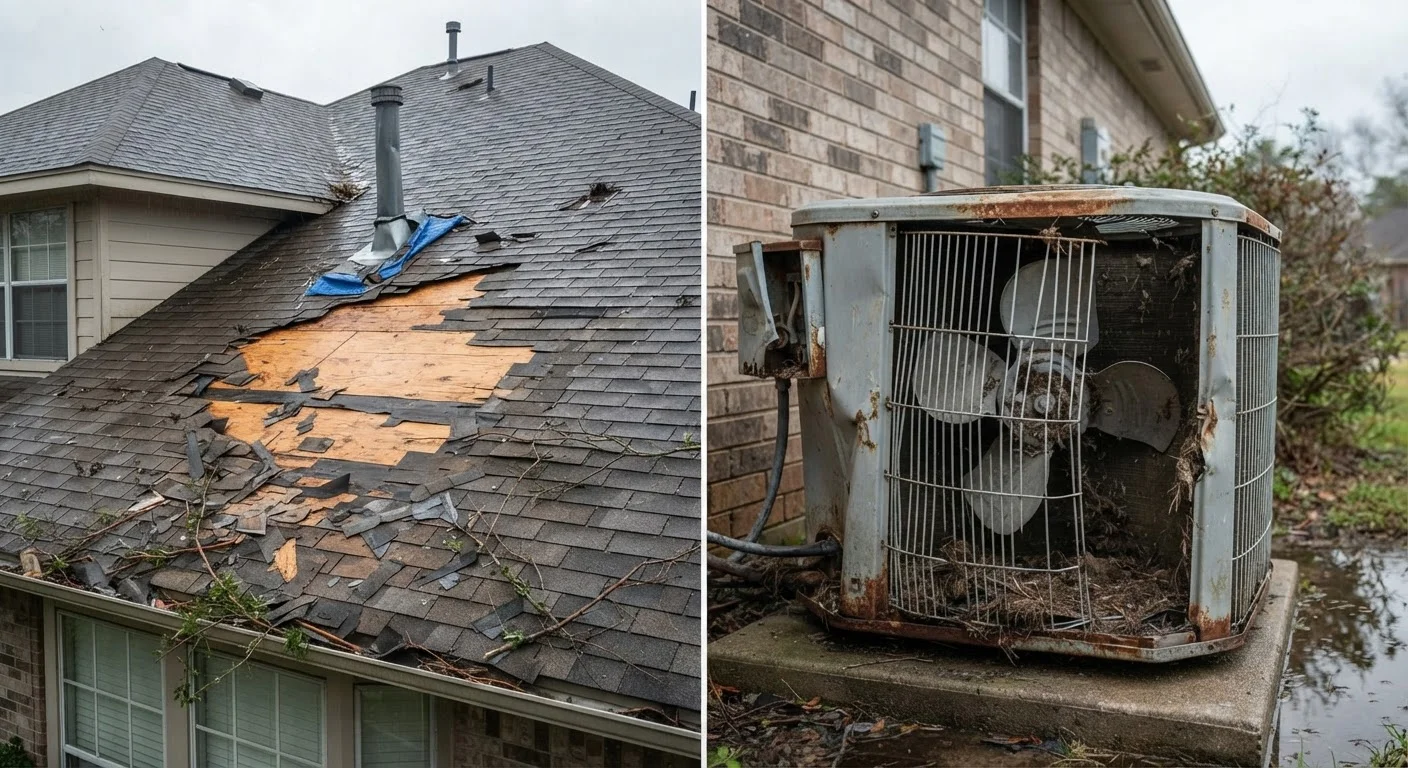
Photo: QuickSearches.net | It Doesn't Get Quicker Than This! editorial
Key Takeaways
- Homeowners insurance covers sudden, accidental damage from events like fires, storms, and theft.
- Home warranties cover mechanical breakdowns of systems and appliances due to normal wear and tear.
- Mortgage lenders typically require homeowners insurance; home warranties are always optional.
- Neither product covers everything - both carry exclusions, deductibles, and service fees.
- Owning both simultaneously is common and can make sense for many homeowners.
- Understanding each policy's exclusions before you need to file a claim can prevent costly surprises.
Two Products, Two Completely Different Problems
New homeowners often assume homeowners insurance and a home warranty overlap significantly, or that one replaces the other. They don't - and neither does. These two products were designed to solve fundamentally different financial problems, and confusing them is one of the more common and costly misunderstandings in property ownership.
Homeowners insurance is a risk-transfer product. It protects you against sudden, unexpected events - a tree falling on your roof, a kitchen fire, a burst pipe in winter, or a liability lawsuit after someone is injured on your property. Most policies cover the structure of your home, your personal belongings, and personal liability exposure. Your mortgage lender almost certainly requires you to carry it.
A home warranty is a service contract. It pays for the repair or replacement of major home systems and appliances - think HVAC, plumbing, electrical systems, refrigerators, and dishwashers - when they break down from ordinary use over time. No lender requires it, and no insurer offers it as part of a standard policy.
The simplest way to remember the distinction: insurance handles the unexpected; a warranty handles the inevitable. Both represent real ongoing costs of homeownership, which is worth understanding alongside other recurring expenses like those covered in HOA fees and what they actually include.
| Criterion | Homeowners Insurance | Home Warranty |
|---|---|---|
| What triggers coverage | Sudden, accidental events (fire, storm, theft) | Mechanical breakdown from normal wear and tear |
| Required by lender | Yes, for mortgaged properties | No, always optional |
| Typical annual cost | Varies widely by location and home | Roughly $300-$600 per year |
| Out-of-pocket at claim | Deductible ($1,000-$2,500 typical) | Service call fee ($75-$150 per visit) |
| Covers structure of home | Yes | No |
| Covers HVAC breakdown | No (unless sudden and accidental) | Yes, if listed in contract |
| Covers personal liability | Yes | No |
| Covers flood or earthquake | No (requires separate policies) | No |
What Each One Covers - and Where It Stops
The coverage boundaries of each product are more specific than most buyers realize going in.
Homeowners Insurance: Covered Perils
Standard homeowners insurance policies (the most common is called an HO-3) typically cover damage caused by fire, lightning, windstorms, hail, theft, vandalism, and certain types of water damage - like a sudden pipe burst. They also include liability coverage if a guest is hurt on your property and additional living expenses if your home becomes temporarily uninhabitable.
What they don't cover is equally important: flood damage and earthquake damage are almost always excluded and require separate policies. Gradual damage from deferred maintenance - a slow roof leak, mold from humidity - is generally excluded too. The insurer's position is that those problems were preventable.
Home Warranty: Covered Systems and Appliances
A home warranty typically covers mechanical failures in systems like heating, cooling, electrical, and plumbing, plus appliances such as built-in ovens, dishwashers, and clothes washers. When a covered item breaks, you pay a service call fee (often $75-$150 per visit) and the warranty company arranges and pays for the repair or replacement.
Exclusions are significant here too. Pre-existing conditions, improper installation, cosmetic damage, and items not listed in the contract are generally not covered. Always read the specific contract - coverage varies widely between providers.
~$1,700
Average annual homeowners insurance premium
The Insurance Information Institute has cited figures in this range as a national average, though costs vary significantly by state and home characteristics.
1 in 15
Homeowners filing an insurance claim each year
According to the Insurance Information Institute, roughly one in fifteen insured homes has a claim filed annually.
$300-$600
Typical home warranty annual premium range
Basic home warranty plans generally fall in this range, with premiums rising for more comprehensive system and appliance coverage.
Cost, Claims, and What to Watch For
Understanding cost structure helps you evaluate whether each product makes sense for your situation.
Homeowners insurance premiums vary based on your home's location, age, construction type, coverage limits, and your deductible. Nationally, annual premiums have been rising in recent years, particularly in states prone to wildfires, hurricanes, or flooding. When you file a claim, you pay your deductible first - commonly $1,000-$2,500 - and the insurer covers the remainder up to your policy limit.
Home warranties typically cost $300-$600 per year for a basic plan, with more comprehensive plans running higher. In addition to the annual premium, each service call carries its own fee. If a repair turns out to be excluded or the company disputes whether a failure qualifies, you could end up paying out of pocket anyway. That's why reading the exclusions section of any warranty contract carefully - before signing - is essential.
A useful parallel: this coverage-gap problem is similar to one car owners face when weighing what a car warranty actually covers versus what it excludes. In both cases, the fine print defines the real value of the contract.
Neither Product Covers Everything
This article is for general informational purposes only and does not constitute insurance, legal, or financial advice. Coverage terms vary by policy and provider. Consult a licensed insurance professional for guidance specific to your situation.
The content on this site is provided for informational purposes only and should not be considered a substitute for professional advice. While we strive to provide accurate and up-to-date information, we make no guarantees regarding its completeness or accuracy. Always consult a qualified professional for advice specific to your circumstances before making any decisions