
Grass Seed vs. Sod: Which One Makes More Sense for Your Yard?

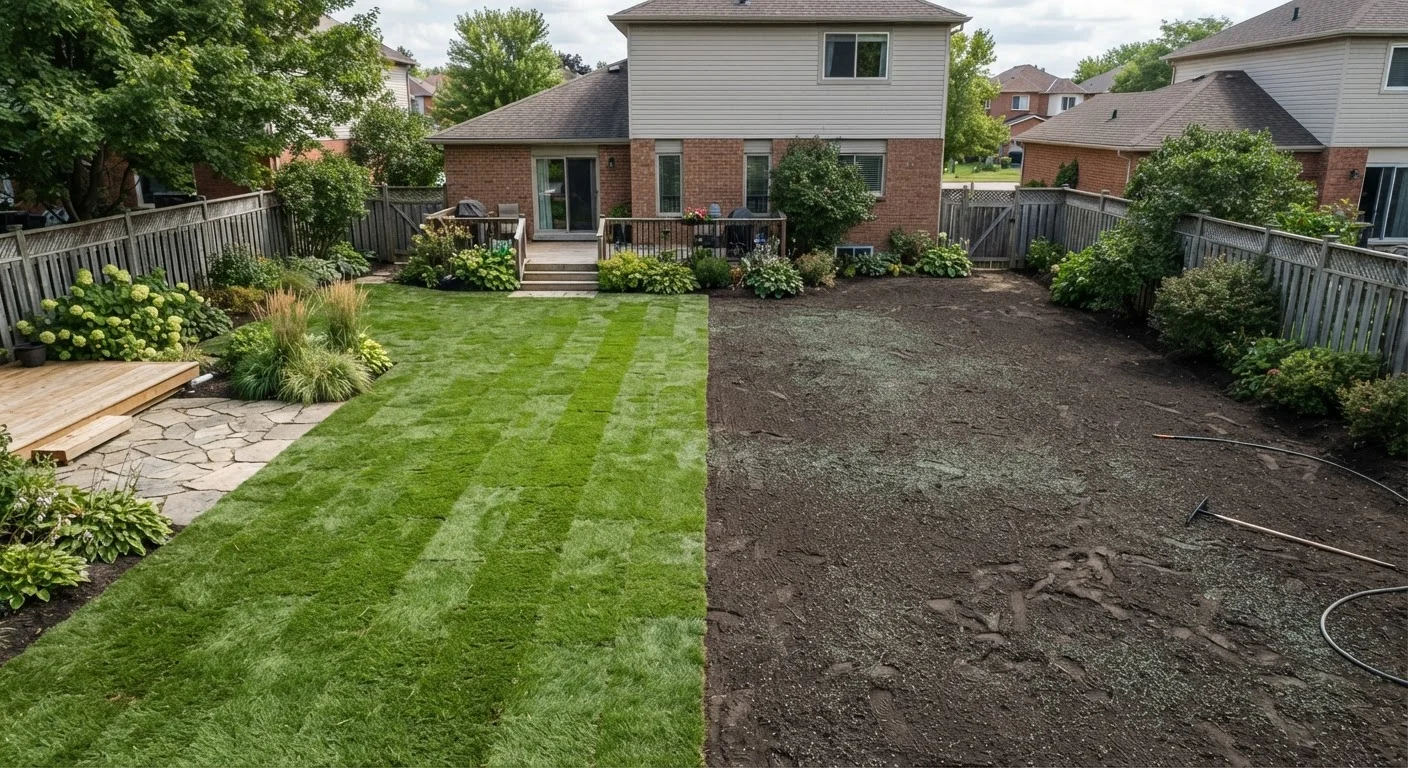
Photo: QuickSearches.net | It Doesn't Get Quicker Than This! editorial
Key Takeaways
- Grass seed typically costs far less per square foot than sod, making it the budget-friendly option.
- Sod establishes within weeks; grass seed can take two to three months to fill in completely.
- Soil preparation is equally important for both methods - skipping it leads to poor results either way.
- Timing matters: both methods have ideal planting windows that vary by grass type and climate zone.
- High-traffic areas and slopes benefit more from sod's immediate root structure and erosion resistance.
- Grass seed offers a wider variety of species, including drought-tolerant and regionally adapted options.
The Core Trade-Off: Cost vs. Convenience
The decision between grass seed and sod almost always starts with two questions: How much do you want to spend? And how soon do you need a lawn? These two factors pull in opposite directions, and understanding them clearly will point you toward the right choice.
Grass seed is significantly less expensive. In general, homeowners can expect to spend a fraction of what sod costs for the same square footage - though exact pricing varies by region, grass type, and whether you hire labor. That cost gap widens considerably on larger lawns. The catch is time: most grass seed takes three to eight weeks to germinate and several months to fully establish. During that period, the area needs to stay moist, foot traffic must be minimized, and birds and rain can undo your work.
Sod, on the other hand, delivers a finished-looking lawn almost immediately. Within two to four weeks of installation, the roots typically knit into the soil enough for light use. The trade-off is price - and the physical effort of laying heavy rolls or hiring a crew to do it. For many budget-conscious homeowners, sod's premium is hard to justify unless speed is genuinely critical.
| Criterion | Grass Seed | Sod |
|---|---|---|
| Upfront cost | Significantly lower | Significantly higher |
| Time to usable lawn | 2-4 months | 2-4 weeks |
| Erosion control | Poor until established | Immediate root mat |
| Grass variety options | Very wide selection | Limited to available sod |
| DIY difficulty | Low to moderate | Moderate (heavy lifting) |
| Watering demands | High during germination | High in first 2 weeks |
| Best for patching | Yes - blends easily | No - hard to match |
| Ideal for slopes | Risky without erosion mat | Well suited |
Soil Preparation: The Step Neither Method Can Skip
A common mistake homeowners make is assuming sod forgives poor soil. It doesn't. Whether you're seeding or sodding, the foundation underneath determines long-term success. Compacted, nutrient-depleted, or poorly draining soil will undermine either approach within a season or two.
Before seeding, till the top four to six inches of soil, remove debris and weeds, and amend with compost if your soil is heavily clay or sandy. Rake the surface to a level grade. For sod, the same prep applies - plus you'll want to ensure the finished grade accounts for the thickness of the sod itself (typically about one inch) so it sits flush with walkways and edging.
A basic soil test - available inexpensively through many cooperative extension services - can tell you whether your soil's pH and nutrient levels need adjustment before you plant anything. Skipping this step is one of the most common reasons new lawns struggle.
3-10×
Sod's cost premium over seed
Industry estimates commonly put installed sod at three to ten times the cost of seeding the same area, depending on region and grass type.
6-8 weeks
Average seed germination to light use
Most cool-season grasses reach a mowable height and tolerate light foot traffic within six to eight weeks under good conditions.
14-21 days
Sod root knitting timeline
Under proper watering and warm soil conditions, sod typically roots into the soil within two to three weeks of installation.
Timing, Maintenance, and Long-Term Considerations
Both seeding and sodding have ideal installation windows. Cool-season grasses (like tall fescue and Kentucky bluegrass) establish best when seeded or sodded in late summer to early fall, when soil temperatures are still warm but air temperatures are cooling. Warm-season grasses (like Bermuda and zoysia) prefer late spring into early summer. Planting outside these windows increases the risk of establishment failure.
Once established, a seeded lawn and a sodded lawn require similar ongoing care - mowing, fertilizing, and proper watering. The establishment phase is where they diverge most sharply. New seed demands consistent moisture, sometimes two to three light waterings per day until germination, then gradually less frequent but deeper watering. Sod needs heavy watering immediately after installation, then careful reduction as roots establish. For guidance on avoiding common watering errors during this critical period, see lawn watering myths that can quietly harm new turf.
If you're drawn to a low-input lawn long-term, grass seed gives you access to species and cultivars - including many drought-tolerant options - that simply aren't available as sod in most markets. That flexibility can pay dividends for years. For a deeper look at regionally adapted, low-maintenance options, native and adapted grasses may be worth exploring. And once your lawn is established, a seasonal lawn care calendar can help you stay on track through every climate zone.
The content on this site is provided for informational purposes only and should not be considered a substitute for professional advice. While we strive to provide accurate and up-to-date information, we make no guarantees regarding its completeness or accuracy. Always consult a qualified professional for advice specific to your circumstances before making any decisions